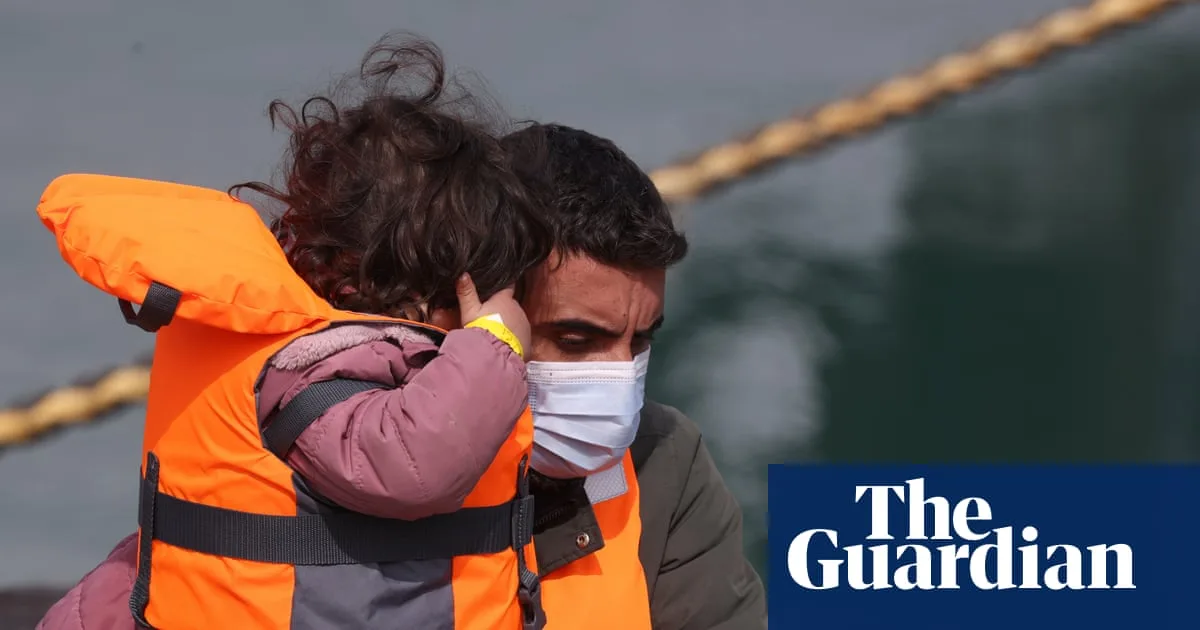
Newly enacted Home Office regulations grant immigration officials the authority to conduct searches inside the mouths of individuals, including children, arriving in the UK on small boats. The measures aim to find concealed SIM cards or small electronic devices as part of a drive to gather intelligence on people-smuggling networks.
Scope of the New Search Powers
The rules, part of the Border Security, Asylum and Immigration Bill which is expected to receive royal assent this week, significantly expand search capabilities at UK ports. Officers from Immigration Enforcement, the police, and the National Crime Agency (NCA) can now instruct new arrivals to remove outer clothing like coats, jackets, or gloves to look for devices.
Most controversially, the powers extend to searching inside a person's mouth for hidden items. Home Office sources confirmed that these intrusive searches could be applied to children if deemed "clearly necessary and proportionate." The rules also allow officials to seize mobile phones at the border without making an arrest, provided they believe the devices contain useful intelligence on smugglers.
Charities Condemn 'Dystopian' and 'Invasive' Measures
The move has been met with fierce criticism from refugee support groups and human rights organisations. Maddie Harris of the Humans for Rights Network, which supports young asylum seekers, stated that people should be treated with dignity, not as criminals subject to invasive searches.
"Most who arrive in small boats, particularly children, will be traumatised by horrific journeys characterised by violence," Harris said. "[The] Home Office should prioritise recovery over criminality."
Sile Reynolds, Head of Asylum Advocacy at Freedom from Torture, labelled the powers a "dystopian act of brutality." She warned that treating all refugees as a security threat from the moment they land shows a blatant disregard for the universal human right to privacy.
Official Justification and Past Precedent
The government defends the rules as a critical tool to disrupt organised crime. Alex Norris, the Minister for Border Security and Asylum, argued that criminal networks rely on phones and social media to coordinate Channel crossings.
"These new powers will allow law enforcement to seize illegal migrants’ phones before an arrest so we can gather intelligence and shut down these vile smuggling gangs," Norris said.
This development follows a 2022 High Court ruling that found the Home Office had acted unlawfully by operating a blanket, unpublished policy to confiscate the phones of all small boat arrivals. Officials had similarly claimed the seizures were for intelligence gathering.
Refugees with experience of the crossing have expressed scepticism about the utility of the phone searches. One Syrian refugee told reporters that smugglers routinely order people to delete data or dispose of phones, with some throwing cheap handsets into the sea. He viewed the new policy as a political "show."
Concurrently, the NCA and police will gain new powers to use interim serious crime prevention orders, allowing them to ban suspects under investigation from using mobile phones, laptops, or accessing social media.