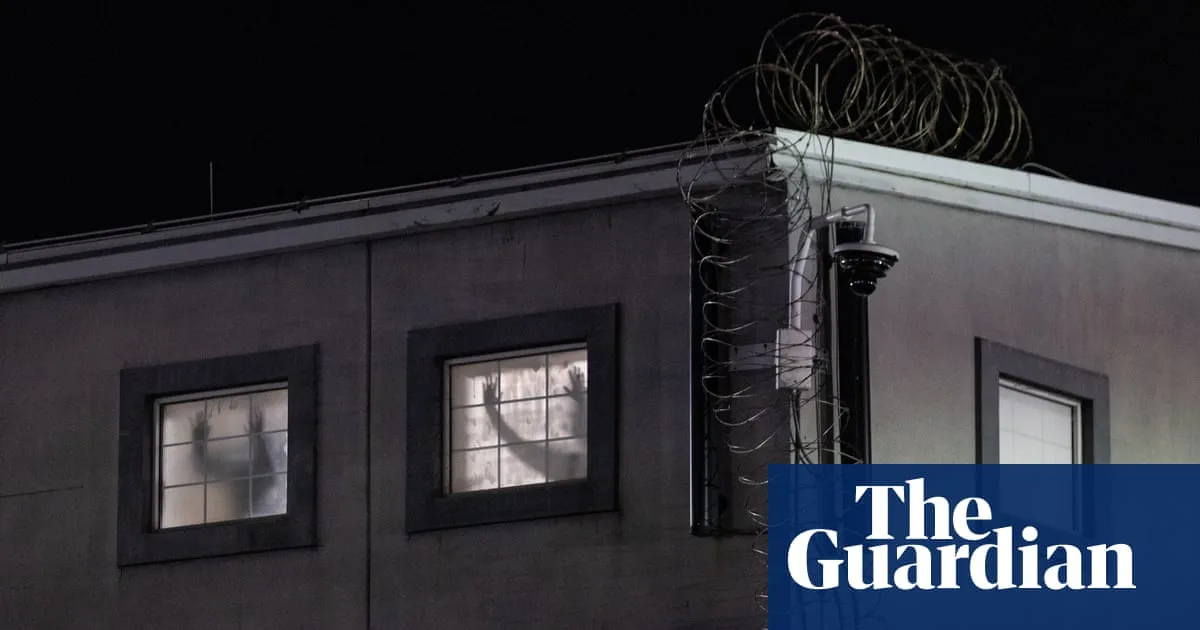
A legal coalition in the United States has moved to end its high-profile lawsuit challenging the aggressive tactics of federal immigration officers in Chicago, declaring victory as the Trump administration's controversial enforcement drive has largely ceased.
Lawsuit Dismissed Following Operation's End
On Tuesday 2 December 2025, a group comprising protesters, journalists, and faith leaders filed to dismiss their legal challenge. They argued that the primary target of their complaint – the Trump administration's "Operation Midway Blitz" – was no longer active in the region. The plaintiffs' attorneys stated that the federal officers, previously led by senior U.S. Border Patrol official Gregory Bovino, had withdrawn from the Northern District of Illinois. Bovino himself relocated to North Carolina last month.
"We won our case the day they left town," said David B. Owens, an attorney for the plaintiffs. "The people of Chicago stood up to the Trump administration’s bullying and intimidation, and showed them they were messing with the wrong city." Despite this claim, the case was facing a sceptical appeals court before the dismissal motion was filed.
Court Injunction and Ongoing Legal Scrutiny
The lawsuit sought to curb what plaintiffs described as excessive force used during immigration arrests, which have resulted in more than 3,000 arrests in the Chicago area since September. In response, U.S. District Judge Sara Ellis issued a preliminary injunction last month, detailed in a blistering 223-page opinion.
Her order restricted agents from using physical force and chemical agents like tear gas and pepper balls unless absolutely necessary to prevent an "immediate threat." Judge Ellis ruled that the existing practices violated the constitutional rights of journalists and protesters observing the operations.
However, the legal landscape shifted when the 7th U.S. Circuit Court of Appeals last month stayed Ellis's injunction, calling it "overbroad" and "too prescriptive." The appeals court cautioned against overinterpreting its stay and suggested a swift appeal could lead to a "more tailored and appropriate" order. Arguments before a three-judge panel were scheduled for later in December.
A Defining Document and a Disputed Legacy
For the plaintiffs, the legal action achieved its core objectives. Attorney Steve Art stated, "Because of the work of many Chicagoans... the brutality of Operation Midway Blitz was carefully documented for all to see, the constitutional rights of civilians across the region were vindicated... Judge Ellis’s powerful opinion stands as the final word in this case."
The Department of Homeland Security (DHS), which oversees both Border Patrol and Immigration and Customs Enforcement (ICE), did not immediately return a request for comment on Tuesday. Throughout the operation, DHS defended its actions, asserting that agents were targeting criminals and often faced hostile crowds.
While the main lawsuit is set to be dropped, the legal and political repercussions of Operation Midway Blitz and the judicial response to it are likely to resonate, setting precedents for the limits of federal immigration enforcement tactics in urban settings.