For centuries, the English Channel stood as Britain's mighty moat, a formidable natural barrier that deterred enemies and secured the nation's safety. Today, that historic defence appears to have crumbled, transformed from a perilous maritime frontier into what critics describe as an open door.
The Collapse of a Historic Frontier
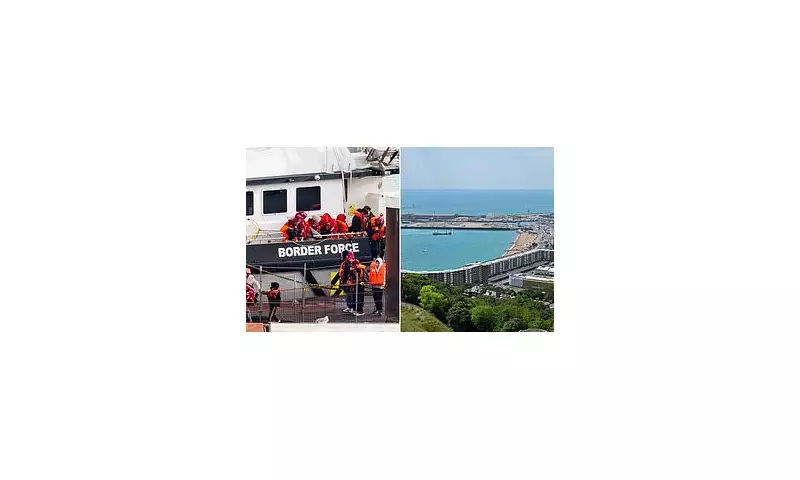
Swimming the Channel remains a treacherous athletic challenge, fraught with dangers from busy shipping lanes and unpredictable currents. Historically, this stretch of water was considered the equivalent of several army divisions in defensive strength. Yet, in a dramatic shift, it now sees thousands of individuals arriving each year in small boats, with politicians repeatedly failing to deliver on promises to halt the flow.
The change is not due to calmer seas or shallower waters, though the availability of cheap, reliable rubber dinghies has played a part. A primary driver is the vast wave of migration from Asia, the Middle East, and Africa, the largest in modern history, propelled by a series of conflicts. Concurrently, Britain's political will to enforce its once-splendid isolation has, according to the analysis, withered away.
A Failure of Will on Both Sides of the Channel
This failure of resolve is starkly illustrated by an exclusive revelation from The Mail on Sunday concerning the attitude of French police. Despite the French state demonstrating ruthlessness during events like the 'Yellow Vest' protests—where an estimated 2,500 protesters were injured—officers are reportedly now reluctant to act against migrant boats launching from French shores.
This hesitancy is attributed to a fear of prosecution, despite such prosecutions being rare in France. The report questions whether this objection would persist if the French government showed a genuine, determined interest in stopping the crossings. The implication is clear: where there is a will, there is a way.
The tragedy of migrant deaths in the Channel is, the argument follows, partly the fault of both the French and British states for not adopting a tougher stance. Making the crossing harder would, logically, mean fewer would attempt it.
Domestic Pressure and a Search for Solutions
The question of British resolve is also under intense scrutiny. Reform UK leader Nigel Farage has proposed a controversial plan to make civil servants personally liable if they allow a foreign national into the country who they knew posed a risk and who then commits rape or sexual assault.
While most observers understand his point—and the proposal would be notoriously difficult to enforce fairly—it underscores a widespread public desire. Voters and "sensible patriots" want politicians and officials demonstrably committed to enforcing borders and preventing criminals from entering. The core problem, as framed, is a chronic lack of political will, which has fuelled a voter revolt against the established, complacent parties.
The conclusion is a sombre one: a frontier that once defined Britain's security has been compromised not by geography, but by a profound failure of policy and determination on both sides of the water.