
British ISIS Fighters Could Face Execution in Iraq Following US-Led Evacuation from Syria
The fate of British-born Islamic State fighters hangs in the balance as they are transferred from Syrian detainment camps to Iraq, where they could face execution under the country's stringent anti-terrorism legislation. This development comes after the US military initiated evacuations of suspected terrorists from Kurdish-guarded facilities in Syria, moving them to Iraqi custody.
Detainment Camps and Security Concerns
Approximately 100,000 Islamic State members, including foreign nationals, have been held in camps in Syria, following refusals by their native countries to repatriate them. Among these detainees are British-born men, many of whom have been stripped of their UK citizenship. Human rights organisation Reprieve reports that at least ten such individuals are at risk of torture and execution without a fair trial to contest allegations against them.
In addition, around 55 other Britons or former British citizens, including Shamima Begum who left London to join ISIS in 2015, are detained in these camps. Roughly half of these detainees are believed to be children, highlighting the complex humanitarian issues at play.
Escalating Chaos and Security Breaches
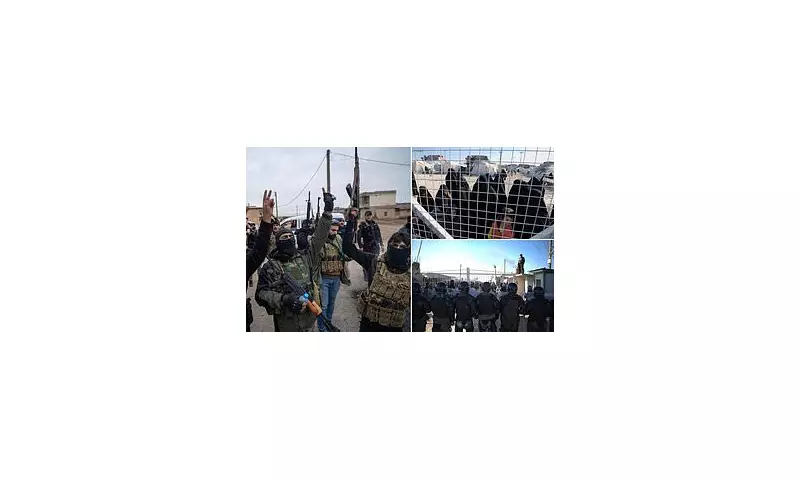
The camps have become embroiled in a Syrian military offensive into areas controlled by the Kurdish-led Syrian Democratic Forces (SDF), leading to significant security lapses. For instance, at the Al-Hol prison camp, suspected ISIS wives rioted, tearing down fences and escaping. Social media footage captured dozens of women in black burqas emerging from the camp after breaching the perimeter, while other clips show residents throwing rocks at military vehicles.
Amid this turmoil, the US, which previously backed the SDF against ISIS, is reportedly considering withdrawing its 1,000 troops due to the deteriorating situation with Kurdish allies. This has raised fears that prisoners could exploit the instability to return to Europe and carry out attacks.
Evacuation Efforts and International Response
On Wednesday, the US military transferred 150 of the most dangerous militants to Iraq, with plans to move another 7,000 detainees. Iraqi sources indicate that British-born individuals are among those evacuated, with the largest groups comprising Iraqis, followed by Arab fighters from various nations, and then nationals from the UK, France, Germany, Belgium, Sweden, and other EU countries.
Katherine Cornett, deputy director of Reprieve, criticised the British Government for its refusal to repatriate nationals, arguing that this negligence poses a greater security risk than prosecuting them at home. She emphasised that the exact number of British detainees remains unknown due to their prolonged detention in opaque prisons.
Legal and Human Rights Implications
Over the past seven years, Iraq has executed hundreds of people for affiliations with ISIS under its anti-terror laws. This sets a grim precedent for the evacuated fighters, including Britons, who may face similar fates without adequate legal recourse. The ongoing clashes and security breaches at the camps further exacerbate risks of human rights abuses, underscoring the urgent need for international oversight and accountability in handling these detainees.