Iranian Bondi Hero Faces Deportation Despite Disarming Gunman
Bondi Hero Faces Deportation Despite Disarming Gunman

Iranian Bondi Hero Faces Deportation Despite Disarming Gunman

An Iranian man hailed as a hero for disarming one of the alleged Bondi massacre gunmen is still facing imminent deportation from Australia due to his criminal record. This stark contrast emerges as other foreign nationals who displayed courage during the atrocity have been swiftly offered permanent residency.

The Footbridge Confrontation

Footage from the December 14 atrocity showed the man, who wishes to remain anonymous and is referred to as Bridge Hero or BH, running onto the footbridge where terrorist Sajid Akram and his son Naveed had been shot by police. ISIS-inspired Sajid Akram had been killed, but Naveed Akram was only wounded and allegedly still clutching a firearm. BH bravely kicked the weapon away from him.

The man then backed away with his hands raised, shouting 'don't shoot' as police, unaware of how many gunmen were on the bridge, fired at him. Tragically, video captured BH being attacked by members of the public who mistakenly believed he was one of the shooters. The rampage claimed fifteen innocent lives before ending with Sajid Akram dead and his son wounded and taken into custody.

A Troubled Past and Legal Battles

BH reportedly endured imprisonment and torture in Iran after participating in anti-government protests as a young man, later fleeing the regime for safety in Australia. He has provided a statement to NSW homicide squad detectives regarding his actions during the Bondi massacre. However, his path in Australia is fraught with legal challenges.

Residing in western Sydney with his pregnant Australian partner and two Australian children, BH's problem stems from a criminal record. His lawyer describes it as 'minor', but he also faces a drug supply charge laid just a day before the shootings. Allegedly, BH had gone to Bondi the night before the massacre to deliver drugs, was stopped by police who found cocaine in his possession, and spent a night in cells at Surry Hills after being charged.

BH, a Muslim in his 30s who arrived in Australia from Iran as a political refugee in 2012, has only ever held a temporary humanitarian visa. His immigration lawyer, Alison Battison, warns that his life would be in danger if he returned to Iran. She concedes BH has a criminal history for offences including common assault and domestic violence, which did not result in physical injuries. He received a nine-month suspended prison sentence for assaulting his partner and later served three months for stalking and intimidating her, though his partner now supports him.

Visa Cancellations and Deportation Threat

BH's humanitarian visa was cancelled because he failed the federal government's character test. After becoming an unlawful non-citizen, he spent time in immigration detention. The Administrative Review Tribunal confirmed his refugee status and restored his visa, but it was cancelled again. He now faces deportation to the Nauru Regional Processing Centre, where the South Pacific island nation has agreed to take refugees Australia will not accept.

Ms Battison told media outlets that the government is still 'actively moving' to deport BH, but she hopes his heroic actions at Bondi will convince authorities he deserves to stay with his family. 'He's got an Australian partner and Australian children but he has no right to stay in Australia long-term to be with them,' she said. 'It's open to public opinion as to whether somebody who put himself in significant danger to help the Australian community has earned a right to stay.'

Contrast with Other Heroes

In stark contrast, Israeli national Gefen Bitton, who showed extraordinary courage during the massacre, was almost immediately offered permanent Australian residency. Mr Bitton had been attending Hanukkah celebrations when the Akrams allegedly opened fire. He ran to help Ahmed Al Ahmed as he confronted Sajid Akram but was allegedly shot three times by Naveed Akram. After spending over a fortnight in a coma and undergoing at least eight operations, Mr Bitton's path to residency was cleared.

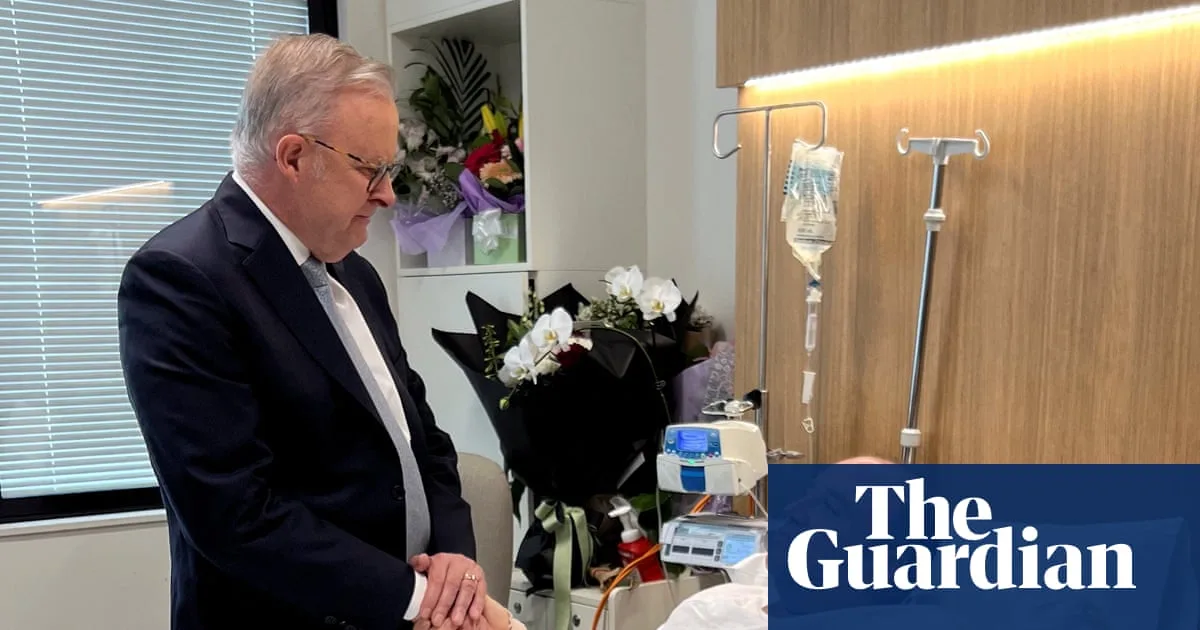
Home Affairs Minister Tony Burke visited Mr Bitton in hospital, stating, 'Gefen is a hero. Without a moment's thought for his own safety, he ran to help Ahmed Al Ahmed. I told him Australia is a better place with him here.' Prime Minister Anthony Albanese also visited him. Syrian-born Ahmed Al Ahmed, who famously disarmed Sajid Akram, was already an Australian citizen.

Similarly, after the April 2024 Westfield Bondi Junction mass stabbing, two foreign bystanders were granted permanent residency. Frenchman Damien Guerot, known as 'Bollard Man' for fending off knifeman Joel Cauchi, and his countryman Silas Despreaux were welcomed. Pakistani security guard Muhammad Taha, wounded while trying to help a colleague, also received residency. Mr Albanese thanked them, saying, 'These are people who were putting themselves in danger in order to protect Australians who they didn't know.'

Ongoing Uncertainty

Despite media inquiries over a month ago, Home Affairs has provided no update on BH's case. Meanwhile, Naveed Akram has been charged with 59 offences, including 15 counts of murder, 40 of attempted murder, and one of committing a terrorist act. BH's fate remains in limbo, highlighting the complex interplay between heroism, criminal history, and immigration policy in Australia.