The Hidden Truth Behind Luxury Shopping Sprees
Those Chinese tourists you see loading trolleys with luxury handbags at Bicester Village on a Saturday afternoon might appear to be enthusiastic shoppers indulging in premium brands at the picturesque Oxfordshire retail destination. However, according to Oliver Bullough's meticulously researched and urgent new book, Everyone Loves Our Dollars, many of these purchases form a crucial link in a sophisticated global money laundering network connecting Chinese and European criminal enterprises.
The Handbag Pipeline
Criminals in China deliver substantial cash amounts to collectors, who then package the money and distribute it to students traveling to the United Kingdom for educational purposes. These students receive specific instructions to purchase high-end handbags with the illicit funds and ship them back to China. "Handbags flow from Europe to China, while drugs or other illicit goods flow out of China, often to South America," Bullough explains. "Criminals there then ship the drugs to Europe, completing the value transfer circuit."
The fundamental challenge in disrupting this trade lies in the fact that the handbag buyers themselves are not criminals, and their activities appear entirely legitimate. Retailers, benefiting from substantial profits from these sales, have little incentive to question the transactions or raise concerns about their origins.
Global Scale of the Problem
Law enforcement agencies have attempted to address this issue by warning students about the risks associated with allowing their bank accounts to be used for moving tainted money. However, Bullough notes that "there's no suggestion they've put a dent in the problem." Once these students return to China, they become "beyond anyone's reach," effectively insulating the operation from prosecution.
This handbag scheme represents just one alarming example within the elusive global money laundering industry, which facilitates human misery on an enormous scale through drug overdoses, extortion, and human trafficking. Current estimates suggest that between two and five percent of the world's entire GDP consists of money being laundered—"washed" through financial systems until its criminal origins become untraceable.
Systemic Failures and New Challenges
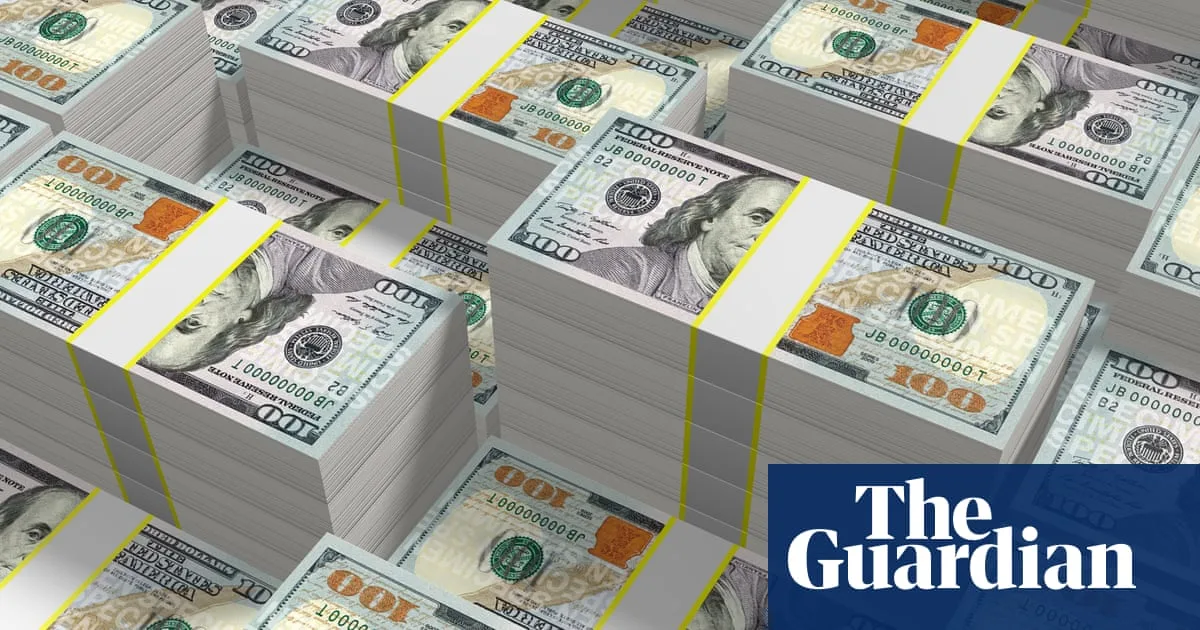
Bullough reveals that banks and governments appear largely ineffective in combating this pervasive problem. The book's title, Everyone Loves Our Dollars, originates from a quote by an anonymous U.S. Treasury Department official who defended continued production of $100 banknotes despite their documented use by criminals, terrorists, and tax evaders. "But why would the U.S. want to stop selling something that's so popular?" the official asked. "Everyone loves our dollars."
Despite declining cash usage in legitimate transactions, physical currency remains "the criminal's best friend." High-denomination notes travel globally hidden in container lorries, ships, cardboard boxes, truck gearboxes, yacht hulls, and even within nappies and kitchen rolls. Bullough suggests that discontinuing production of high-value notes would represent a meaningful starting point for reform.
Ineffective Compliance Measures
The banking sector's compliance efforts, designed to identify suspicious financial activities, prove largely ineffective according to Bullough's investigation. Banks primarily fear regulatory fines for inadequate customer vetting, leading to databases flooded with Suspicious Activity Reports (SARs). Compliance officers spend excessive time reviewing endless false positives, engaging in what's known as "covering your a***" rather than addressing core issues.
This compliance frenzy has resulted in innocent clients being "debanked" and entire small countries blacklisted from the global financial system, while wealthy individuals and larger nations often evade scrutiny. Bullough highlights the case of a Welsh charity run by Somali immigrants that lost its bank account simply due to its origins and charitable status following post-9/11 paranoia.
Trade-Based Money Laundering
Criminals have developed increasingly sophisticated methods beyond cash transactions, including "trade-based money laundering." This involves shipping over-invoiced goods across borders to disguise illicit fund transfers. For example, bottles of salad dressing might be shipped worldwide at $750 per bottle, or razor blades imported from Panama at $29.35 each—prices deliberately inflated to warp and confuse financial tracking systems.
"Containers are opaque and can hide anything," Bullough explains. "A tiny fraction of them are inspected by customs. And ports are often controlled by criminals who bribe or intimidate customs officials." Estimates suggest approximately one trillion dollars of wealth moves through this system annually.
The Cryptocurrency Frontier
The emergence of cryptocurrency presents new challenges, enabling "instant wealth transfer outside the knowledge of government authorities" and making money laundering even more elusive. Bullough argues that governments, rather than banks, must take leadership in combating these networks by funding foundational research into how dirty money moves, hides, and gets spent.
"Governments should make the same demands on themselves that they make on financial institutions," Bullough contends. "Without money laundering, there would be no kleptocracy, no cartels, no fraudsters, no people traffickers, no child pornographers, no illegal trade in wildlife. The world would be improved immeasurably."
The book presents a sobering portrait of a global financial system thoroughly compromised by criminal networks that consistently remain one step ahead of enforcement efforts. From Bicester Village handbags to cryptocurrency transactions, the mechanisms for laundering illicit funds continue to evolve, demanding urgent governmental action and international cooperation.




