
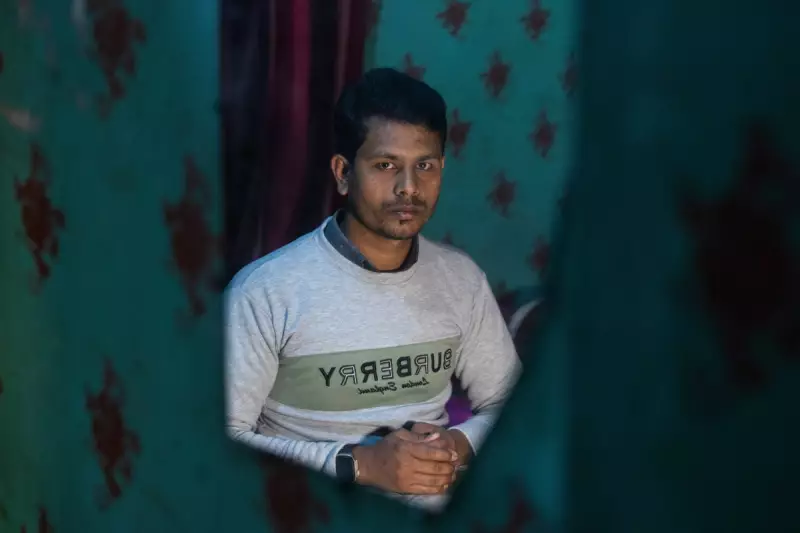
Bangladeshi Migrants Lured to Russia Face Coercion into Ukraine War Combat
An extensive investigation has uncovered a disturbing pattern where Bangladeshi migrant workers are being systematically deceived into travelling to Russia under false promises of civilian employment, only to be forcibly conscripted into frontline combat roles in the ongoing conflict in Ukraine. Multiple accounts from survivors reveal threats of imprisonment, physical violence, and death for those who resist.
False Promises and Military Contracts
Maksudur Rahman, a 31-year-old from Bangladesh's Lakshmipur district, represents a growing number of victims. After completing work in Malaysia, he was recruited through a labour broker who advertised a janitorial position at a Russian military camp, promising monthly earnings between $1,000 and $1,500 alongside potential permanent residency. Rahman took out a substantial loan to pay the broker's fee of approximately $9,800 before arriving in Moscow in December 2024.
Upon arrival, Rahman and other Bangladeshi workers were presented with Russian-language documents they believed were cleaning service contracts. After signing, they were transported to military facilities where they received weapons training in drone warfare, medical evacuation, and combat with heavy weaponry. When Rahman protested that this wasn't the work he agreed to, a Russian commander responded through a translation app: "Your agent sent you here. We bought you."
Coercion and Frontline Deployment
The workers' accounts describe systematic coercion into dangerous frontline duties. They were threatened with ten-year prison sentences and subjected to physical beatings when they resisted orders. Rahman recounted how commanders would ask "Why don't you work? Why are you crying?" before kicking them.
Deployed to positions near the Russia-Ukraine border, Bangladeshi workers were ordered to perform high-risk tasks including advancing ahead of Russian forces, transporting supplies, evacuating wounded soldiers, and recovering bodies. Rahman described being sent to dig pits in bunkers while Russian soldiers remained behind them for protection.
Escapes and Documented Evidence
After seven months, Rahman managed to escape following a leg injury that sent him to a Moscow hospital. He fled the medical centre and sought help from the Bangladeshi embassy, which provided travel documents for his return. He later helped his brother-in-law, Jehangir Alam, escape using the same method.
The workers' accounts are supported by substantial documentation including travel papers, Russian military contracts, medical and police reports, and photographs. These documents verify the visas granted to Bangladeshi workers, injuries sustained during combat, and evidence of their participation in military operations.
Broader Pattern of Exploitation
The investigation reveals this is not an isolated incident. Mohan Miajee, another Bangladeshi worker, enlisted in the Russian army after his initial job as an electrician in Russia's far east proved unbearable due to harsh conditions. An online recruiter promised him electronic warfare work away from combat, but upon arrival at a military camp in Avdiivka, he was told he had been deceived into signing a military contract.
Miajee described being beaten with shovels, handcuffed, and tortured in a basement cell for refusing orders or making minor mistakes due to language barriers. "If they told us to go to the right and we went to the left, they would beat us severely," he recounted.
Families Left in Despair
In Lakshmipur district, where nearly every family has members working overseas due to job scarcity and poverty, multiple families are now grappling with missing loved ones. Salma Akdar hasn't heard from her husband Ajgar Hussein since March 2025. In their last conversation, Hussein told her he had been sold to the Russian army after believing he was taking a laundry attendant position.
Mohammed Siraj's 20-year-old son Sajjad departed believing he would work as a chef in Russia to support his unemployed father and chronically ill mother. After being forced into military training, Sajjad was threatened with jail and shooting if he didn't comply. He was later killed in a drone attack, news that ultimately contributed to his mother's death from grief.
Organised Trafficking Networks
Bangladeshi police investigators have uncovered trafficking rings operating between Bangladesh and Russia, with intermediaries having connections to Russian authorities. A police report reviewed by investigators details how one victim went to Russia expecting to work in a chocolate factory before being forced into combat.
Advocacy organisation BRAC began investigating in late 2024 after families reported losing contact with relatives in Russia. They have identified at least ten Bangladeshi men still missing after being lured to fight. Shariful Islam, head of BRAC's migration program, noted "There are two or three layers of people who are profiting" from this exploitation.
Official Responses and Scale
Neither the Russian Defense Ministry, Russian Foreign Ministry, nor the Bangladeshi government responded to questions about these allegations. The exact number of Bangladeshis deceived into fighting remains unclear, though survivors report seeing hundreds of fellow countrymen alongside Russian forces in Ukraine.
A Bangladeshi police investigator told reporters that approximately forty Bangladeshis may have lost their lives in the conflict. While some may go willingly knowing they'll end up on frontlines due to financial incentives, most appear to have been deceived about the nature of their employment.
Families of missing individuals report receiving no money earned by their loved ones, and survivors like Miajee confirm they were never paid for their forced service. As Salma Akdar expressed the sentiment of many affected families: "I don't want money or anything else. I just want my children's father back."