
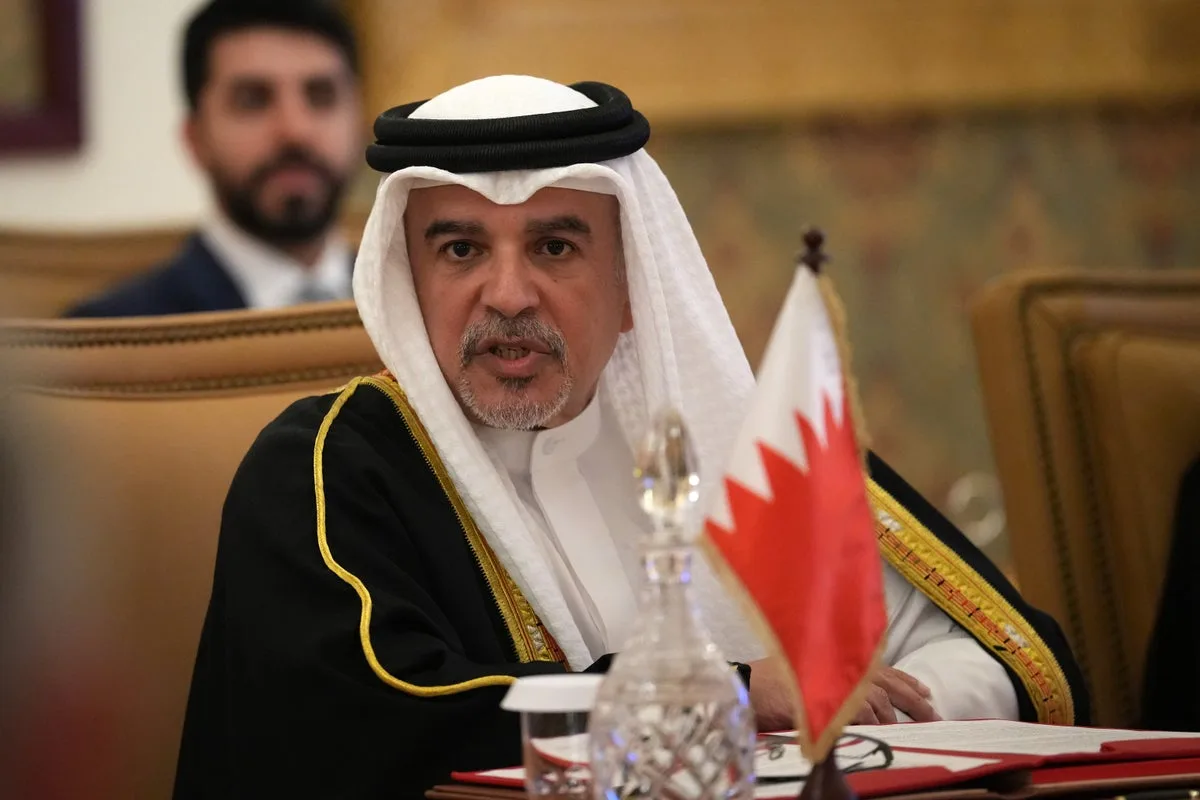
Bahrain has stripped 69 individuals of their citizenship for allegedly sympathising with Iran during the ongoing Middle East conflict, a move that a human rights group warns endangers Shia Muslims of Iranian heritage. The Interior Ministry announced the revocations on social media, stating that those affected included accused individuals and their family members, a practice critics have labelled as collective punishment.
The ministry said the decision was based on royal directives from King Hamad bin Isa Al Khalifa and the Bahraini Nationality Law. It accused the individuals of “glorifying or sympathising with the hostile Iranian acts” or engaging in contacts with external parties. Under Bahraini law, citizenship can be revoked if a person is deemed to have caused harm to the kingdom’s interests or acted contrary to loyalty duties.
The Bahrain Institute for Rights and Democracy (Bird), a London-based group, described the revocations as “politically motivated punishments dressed up as national security measures”. Bird’s director, Sayed Ahmed AlWadaei, said Bahrain had provided no evidence that the accused had spoken out against the war. He noted that at least some of those targeted were Shia Muslims of Iranian origin, and entire families were included for sharing a surname with an individual on the list.
Bahrain’s National Communication Centre denied allegations of discrimination, stating that the decision was a sovereign legal measure and that all persons are subject to equal treatment under the law. It said the individuals had expressed support for Iranian “illegal and hostile acts” and shared sensitive information with hostile actors, threatening national security.
Bird said this was the first such revocation since 2019, though between 2012 and 2019, Bahrain revoked citizenship of at least 990 nationals. AlWadaei argued that Bahrain is using the regional conflict as a pretext to eliminate dissent and redefine who is considered Bahraini.




