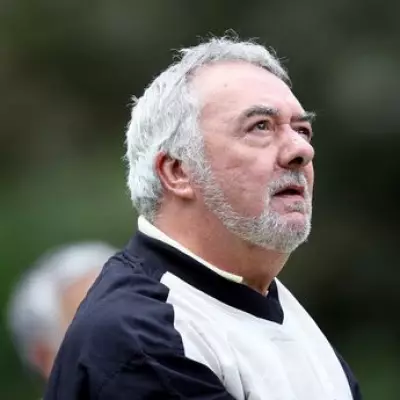

In a significant move that has ignited debate about free speech and immigration policy, the Australian government has cancelled the visa of British-Israeli social media influencer Sammy Yahood. The decision was announced just hours before his scheduled flight to Australia for a planned speaking tour, leading to accusations of censorship and political targeting.
Minister Cites 'Spreading Hatred' as Grounds for Exclusion
Home Affairs Minister Tony Burke explicitly stated that "spreading hatred is not a good reason to come" to Australia, directly referencing Mr Yahood's controversial past remarks. The influencer has previously described Islam as a "murderous" ideology and publicly called for the religion to be banned, while simultaneously identifying as a proud Zionist.
Yahood's Response and Counter-Claims
Mr Yahood has vehemently contested the visa cancellation, accusing the Australian government of tyranny, censorship, and governmental overreach. He claims the official reason provided to him was an "alleged attempt to carry out business on a tourist visa" related to his non-profit speaking events.
In his defense, Yahood insists that his events were focused on themes of courage, faith, and unity rather than commercial activity. "This is pure censorship of my views," he stated in response to the decision, framing the controversy as a matter of free expression versus government control.
Jewish Community Reaction and Broader Implications
The Australian Jewish Association has strongly condemned the visa cancellation, linking it to what they perceive as a pattern of targeting Jewish visitors to Australia. This development raises important questions about where governments should draw the line between protecting against hate speech and preserving freedom of expression.
The incident occurs against a backdrop of increasing global scrutiny of social media influencers' impact on public discourse and international relations. Australia's decisive action demonstrates how nations are increasingly willing to use immigration controls to regulate who can enter their territory based on expressed beliefs and past statements.
As the story develops, it highlights the complex intersection of immigration policy, free speech protections, and the growing influence of digital personalities in shaping international perceptions and dialogues.