Albanian Ambassador Decries Scapegoating of Community in UK
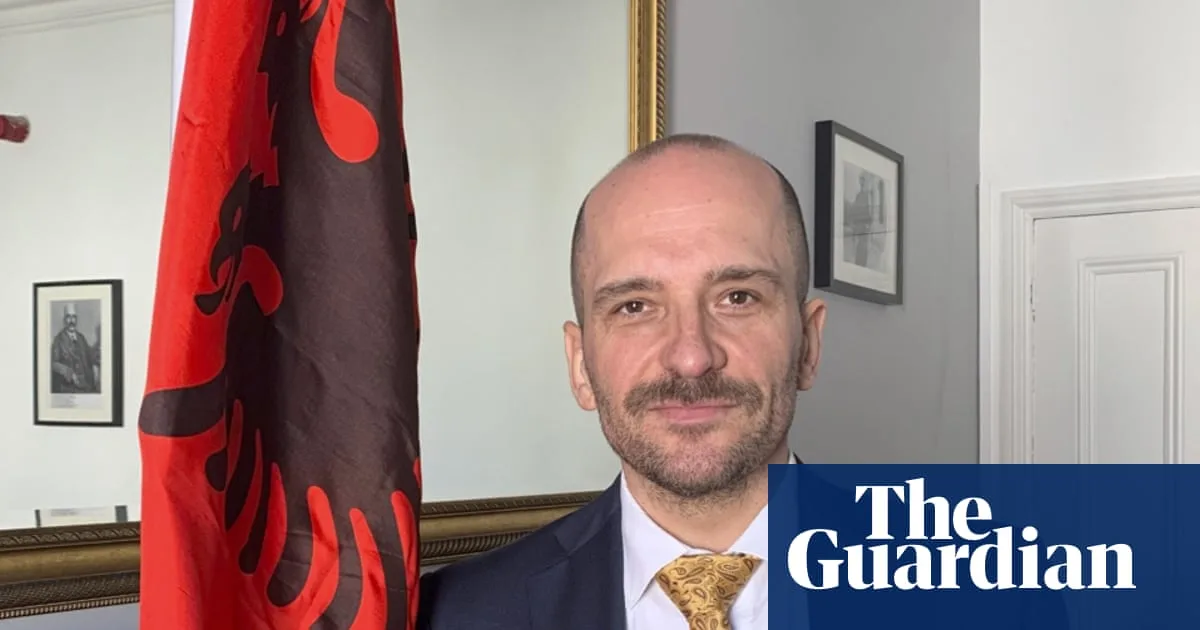
Albanians residing in Britain are enduring significant repercussions in educational and professional settings due to being unfairly targeted by rightwing media outlets and political figures, according to the Albanian ambassador. Uran Ferizi has voiced strong objections to what he describes as an "obsession" with vilifying Albanians, a sentiment that has permeated parliamentary discourse.
Parliamentary Comments Draw Criticism
In a detailed letter addressed to the Guardian, Ferizi specifically criticised Home Secretary Shabana Mahmood for remarks made in parliament where she highlighted Albanians while addressing immigration challenges. "When a minister names a nationality in parliament, rather than a behaviour or a particular type of crime, they do not describe a problem, they create a target," Ferizi asserted. He emphasised that this demonisation has escalated to the parliamentary dispatch box, fostering a harmful narrative.
Ferizi, who initially arrived in the UK as a teenage stowaway before pursuing mathematics at Oxford University, challenged the misrepresentation of statistics in publications like the Telegraph. He argued that these reports often lack context and are amplified, particularly during election periods. "Opportunists, self-styled as experts, peddle theories and invented numbers about Albanians – particularly when elections are looming," he wrote.
Statistical Misrepresentations Exposed
The ambassador cited a 2024 analysis from the Daily Telegraph that claimed one in 50 Albanians in the UK was incarcerated, purportedly the highest rate among nationalities. Ferizi countered this by explaining that the methodology ignored basic statistical accuracy. "If the number of Albanians in prison is weighted by the actual number of Albanians in the UK, not just by a very small subset of them, and controlled for sex, age and income, you get the result that Albanians are imprisoned at the same rate as native-born Britons," he stated. He noted that such nuanced findings are often omitted because they do not reinforce prejudiced views.
Broader Implications and Historical Parallels
Ferizi expanded his critique to include politicians with migrant backgrounds, such as Suella Braverman, expressing disappointment that second-generation migrants are attacking newer arrivals. "It is particularly dispiriting to see politicians who are themselves second-generation migrants attacking the migrants who have followed them into Britain," he remarked. He drew parallels to historical scapegoating of groups like Jews, Irish, and Poles in the UK, suggesting that such narratives reflect contemporary anxieties rather than factual character assessments.
The negative portrayals have tangible effects on the Albanian community, impacting workers, families, and schoolchildren. For instance, a successful Albanian woman in the tech sector hesitated to share a LinkedIn post about an Albanian event after encountering derogatory comments at work functions. Others reported discrimination in promotions, with one professional facing shock and prejudice when revealing his Albanian heritage at a work event.
Personal Accounts Highlight Discrimination
Ariseld Muca, who leads a property maintenance company in London, shared on Instagram how clients frequently referenced news reports about "Albanian criminals," hindering business dealings. "How can I close the deal when my clients are asking where I am from and all they are hearing on the news is that Albanian criminals are taking over London?" he questioned. These anecdotes underscore the pervasive nature of the stigma faced by Albanians in daily life.
In response, a Home Office spokesperson affirmed the value placed on the Albanian community and the collaborative efforts with the Albanian government to address illegal migration and criminality. "Anyone, regardless of nationality, who is in the UK illegally should be in no doubt that they will be removed at the earliest opportunity," the spokesperson stated. The Telegraph has been approached for further comment on the allegations of statistical misreporting.