Australia's immigration system is buckling under the weight of a massive surge in appeals from international students, with a staggering backlog of nearly 50,000 cases now awaiting review.
An 'Explosion' in Tribunal Cases
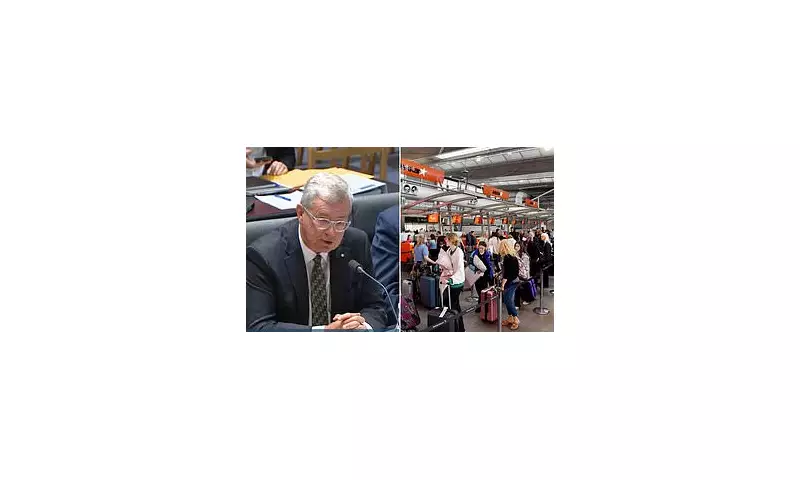
Michael Hawkins, the Principal Registrar of the Administrative Review Tribunal (ART), revealed the scale of the crisis at a Senate Estimates hearing. He confirmed that as of June, 46,590 student visa matters were pending before the tribunal. This colossal figure represents almost 40 per cent of the ART's entire caseload.
Mr Hawkins pointed to an 'explosion' in student visa appeals, noting that more than 13,000 of these cases have been stuck in the system for between one and two years. The surge coincides with a perfect storm of factors: tougher visa scrutiny, a government crackdown on low-quality education providers, and a post-pandemic spike in applications.
The Drive for Permanent Residency
Experts argue the backlog reflects a deeper issue: a significant number of former students are refusing to return home after their studies. Leith van Onselen, chief economist at MacroBusiness, contends Australia must shift its focus towards attracting high-quality, genuine students rather than those primarily seeking a pathway to permanent residency.
This view is supported by data from Jobs and Skills Australia, which found that in 2022, nearly 70 per cent of international higher-education students cited migration as a key factor in choosing Australia. The trend is starkly visible in government statistics, which show the number of international students on bridging visas surpassed 400,000 in August – a record high.
Cracking Down on 'Ghost Colleges'
Dr Abul Rizvi, a former senior immigration department official, stated the spike in appeals is driven 'almost entirely' by applicants failing to meet the required standards. He believes the bulk of onshore refusals are due to students not satisfying the 'genuine student' requirement.
This requirement was strengthened to combat so-called 'ghost colleges' – institutions that enrol students mainly to facilitate a student visa and subsequent work rights, often acting as a de facto route to permanent residency. The government has already shut down hundreds of such providers for failing to offer genuine education.
Mr van Onselen summarised the challenge, stating policymakers should aim for 'a smaller pool of high-quality authentic students' instead of lowering standards to attract more individuals of 'doubtful quality that refuse to leave'. As offshore applications begin to rise again, resolving this systemic backlog remains a critical priority for Australian immigration authorities.