
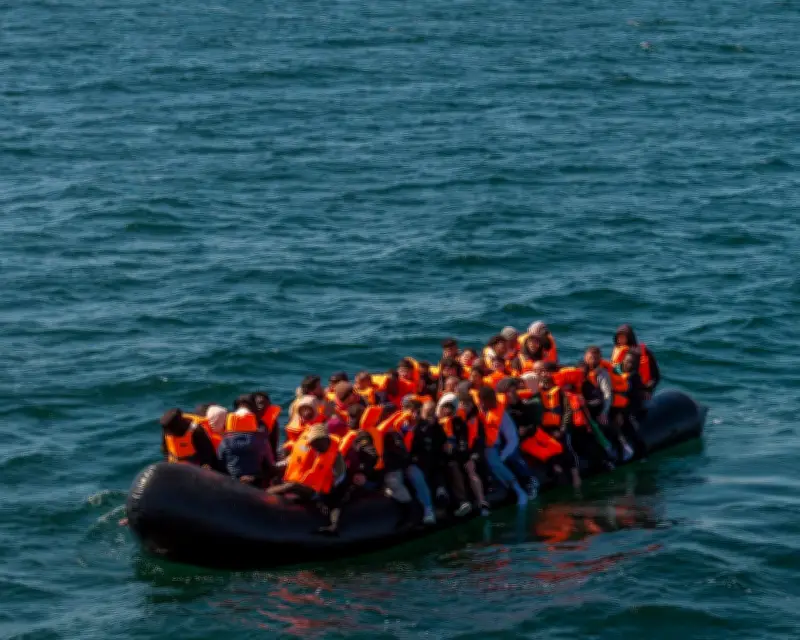
The Refugee Council has reported that over 16,000 refugees have been prevented from reuniting with their families in the UK since the government suspended the refugee family reunion route in September last year. This suspension has left many individuals stranded in conflict zones or compelled to use people smugglers to reach safety.
Suspension and Impact
The family reunion route previously allowed individuals granted refugee status to apply to bring immediate family members—such as spouses and children under 18—to the UK. The suspension was initially indicated to last until spring 2024, but no confirmation of its resumption has been made. Using Home Office data from before the suspension, the Refugee Council estimates that 16,300 people have been barred from applying in the past 10 months, including 9,273 children and 5,835 women, who constitute nine out of ten applicants under this route.
Alternative Routes and Criticism
While the government operates other safe and legal routes for vulnerable refugees, arrivals through these have fallen by over a third in the last year. New routes, such as community sponsorship, have been announced, but Home Office sources noted that the previous community sponsorship scheme brought only about 1,000 individuals to the UK over a decade. The government expects new study and work routes to initially bring in refugees in the low hundreds, a figure that contrasts with the hundreds of asylum seekers crossing the Channel in small boats on a moderately busy day.
One Iranian refugee living in London with her two children described the suspension as "agonising torture," as her husband remains trapped in dangerous circumstances in Iran. She stated, "Had the Home Office processed our case quickly, we could have brought my husband here before the ban on refugee family reunion was imposed. It is agonising torture knowing my husband is still trapped in Iran." She called the situation a "clear and direct violation of human rights."
Calls for Restoration
Imran Hussain, director of external affairs at the Refugee Council, emphasized, "Safe and legal routes save lives. Women and children attempting to flee devastating wars and brutal regimes in countries like Sudan and Afghanistan are being driven into small boats by desperation." He urged the government to "urgently restore refugee family reunion, alongside expanding new safe routes, so families can find safety together."
A Home Office spokesperson defended the changes, stating, "The immigration and asylum bill will reform human rights laws to preserve protection for those in need, while bearing down on abuse of the asylum system." They added that new safe and legal routes will begin rollout in autumn, and under the reforms, family reunion will no longer be automatic, requiring applicants to meet stricter criteria.




