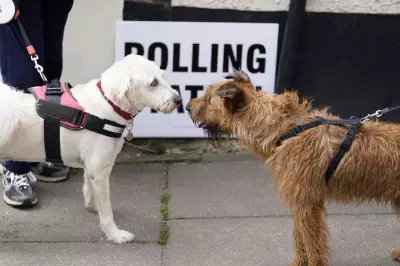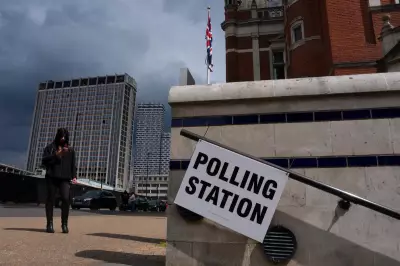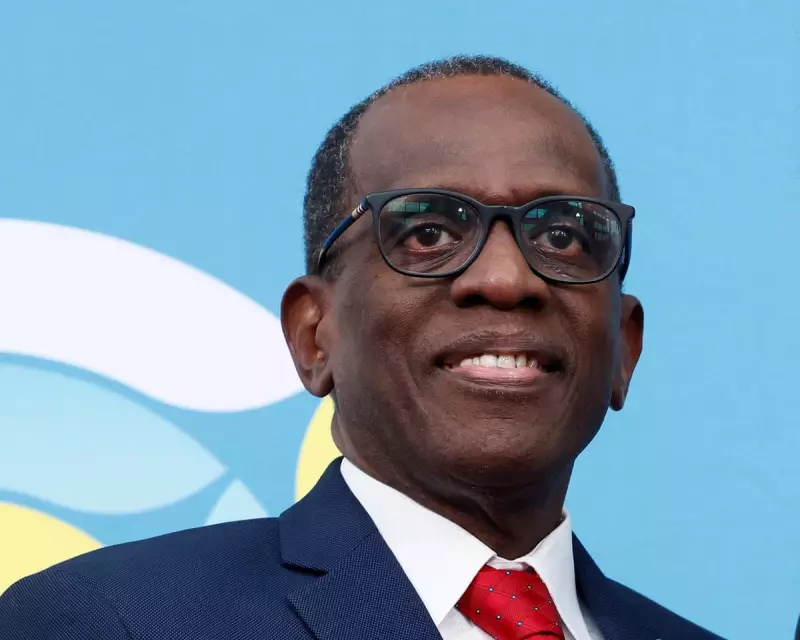
Citizens of the eastern Caribbean nation of St Lucia are heading to the polls to elect a new parliament and prime minister, in a tightly contested vote focused on economic stability, rising violent crime, and a controversial citizenship-by-investment programme.
A Battle of Leadership and Policy
The incumbent Prime Minister, Philip Pierre, and his Saint Lucia Labour Party (SLP) are fighting to retain their strong majority in both legislative chambers. They face a formidable challenge from the conservative United Workers Party (UWP), led by the former Prime Minister, Allen Chastanet. The election pits Pierre's advocacy for steady, cautious economic management against Chastanet's calls for enhanced international security cooperation and greater financial transparency.
The island of approximately 180,000 people has seen its relationship with the United States become a key electoral issue. Chastanet argues that security has worsened under Pierre, partly because U.S. support for local police was curtailed. This reduction is due to the Leahy Law, a U.S. statute that restricts assistance to foreign security units over past human rights abuses.

The Passport Scheme Straining International Relations
A major point of contention is St Lucia's Citizenship by Investment (CBI) programme, where individuals can obtain a passport in return for a significant financial contribution. These schemes are a vital source of tax revenue for several small eastern Caribbean states, but they have caused diplomatic friction.
The U.S. government has repeatedly warned that such programmes can be exploited by "nefarious actors" from nations including China and Iran. In response, Washington has proposed its own "gold card" visa initiative aimed at fast-tracking immigration for wealthy individuals. Chastanet has campaigned on a promise of open and accountable auditing of the island's CBI programme to address these concerns.
Regional Context and Security Concerns
The St Lucian election follows closely on the heels of a political earthquake in neighbouring St Vincent and the Grenadines, where the opposition ousted veteran leader Ralph Gonsalves after 24 years in power. This result has undoubtedly added a layer of tension to the contest in Castries.
Furthermore, the vote occurs against a backdrop of escalating U.S. military activity in the Caribbean, which Washington states is aimed at curbing drug trafficking around Venezuela. Authorities in the Dominican Republic and Trinidad and Tobago have permitted U.S. vessels to dock, highlighting the region's complex security landscape where St Lucia must navigate its partnerships carefully.
The final result will determine not only the domestic policy direction for St Lucia but also its future diplomatic and economic relationships, particularly with the United States, at a sensitive time for Caribbean geopolitics.