

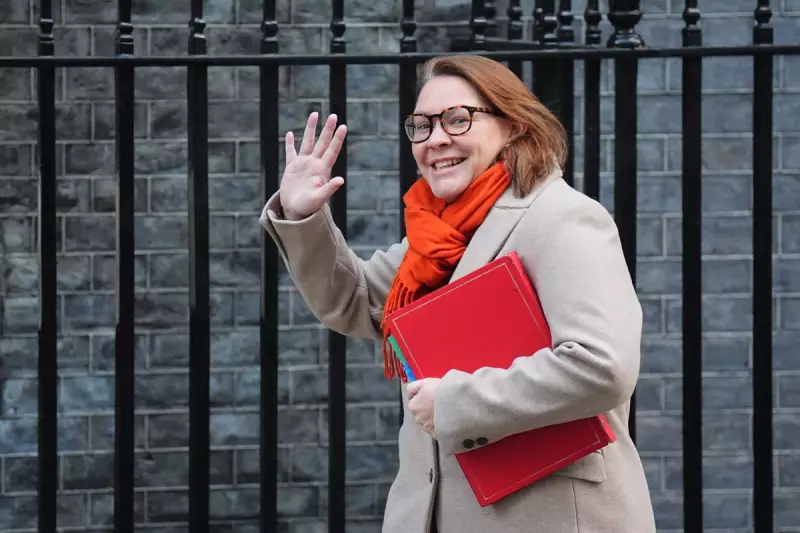
Labour's chairwoman has declared she is "optimistic" about the party's prospects for 2026, even as opposition parties at Westminster identify the upcoming local elections as their primary focus for the year ahead.
Labour's Confidence Amidst Challenges
As Labour's first full year in government concludes, chairwoman Anna Turley acknowledged to the Press Association that the public has yet to feel the tangible "change" promised during the 2024 election campaign. However, she insisted that 2026 would be the year people begin to notice the impact of government policies.
"I feel really optimistic about the new year," Ms Turley stated. "First years are always going to be difficult when you've had 14 years out of government and getting the kind of inheritance that we had." She pointed to the slow machinery of government as a factor, citing the Employment Rights Bill as an example of legislation taking over a year to navigate Parliament.

This show of confidence comes after a turbulent year for Sir Keir Starmer's administration. The party has faced the high-profile resignations of Angela Rayner and Lord Peter Mandelson, internal strife over welfare reforms, and damaging briefing wars. Consequently, Labour's standing in opinion polls has slipped, with some surveys now placing them behind the Conservatives.
All Eyes on the May Ballot Box
While Labour seeks to regain momentum, other parties are squarely focused on the next electoral test. The major priority for 2026 across Westminster is the local and devolved elections on May 7.
Conservative Party chairman Kevin Hollinrake told PA that "the main priority is May's elections." He emphasised the significance of voter sentiment at the ballot box, adding that while it was "too early to say" if the Tories would see improved fortunes, he believed leader Kemi Badenoch was "cutting through in a way she wasn't before."
The electoral landscape presents a fresh challenge for Labour. Unlike the 2024 contests, where many councils were Tory-held, in 2026 Labour will be defending a majority of the seats up for election. Votes will also be held for the devolved parliaments in Wales and Scotland.
Opposition Parties Gear Up for Campaigns
Rival parties are preparing to capitalise on the political climate. Liberal Democrat deputy leader Daisy Cooper declared her party's new year's resolution was "win, win, win" at the locals. She criticised government delays to some polls as "outrageous" and stated there was "no ceiling on our ambition." The Lib Dems plan to contest Tory 'blue wall' areas and Labour-held northern cities, while also becoming a "Reform fighting machine" where necessary.
For Reform UK's Nigel Farage, the focus is singular. He outlined his three priorities for the year ahead to PA: "The first priority is the May 7 elections; The second priority is the May 7 elections; and the third priority is the May 7 elections."
Despite the opposition's concentration on the May polls, Ms Turley maintained that the government's work would soon translate into improved public perception. "We know that next year, people will really start to feel the change that we're delivering in their pockets and on their doorsteps," she asserted. "So I'm full of confidence and full of positivity."






