
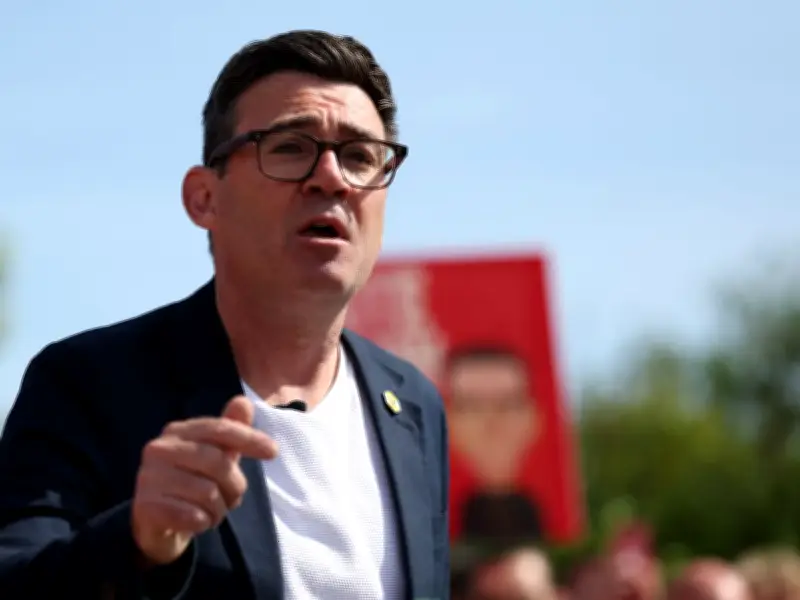
Andy Burnham is returning to Parliament after winning the Makerfield by-election. The newly elected Labour MP easily defeated Reform UK candidate Robert Kenyon. This marks the end of weeks of campaigning in the constituency south of Wigan and the beginning of the next political race in Greater Manchester for Burnham's former role as mayor.
Mayoral By-Election Triggered
Becoming an MP disqualifies Burnham from serving as Greater Manchester mayor, necessitating a replacement for the region's top political job. Another by-election is imminent, with over 2.1 million registered voters across Greater Manchester expected to participate, including around 400,000 postal votes.
Ahead of this crucial race, the Manchester Evening News examines what happens next and when the mayoral by-election will be held.
Date of the Mayoral By-Election
The Greater Manchester Combined Authority (GMCA) has confirmed July 30 as the date for the mayoral by-election. GMCA's returning officer, Caroline Simpson, stated: “If the Makerfield by-election result triggers a mayoral by-election, Greater Manchester will be legally required to hold a by-election within 25-35 working days. To ensure readiness, we have identified July 30 as the date allowing maximum voter participation, avoiding the peak August holiday period and ensuring postal votes arrive before school holidays. Essential preparation, such as booking polling stations, has begun in advance of the Makerfield outcome.”
The by-election will cover all ten boroughs of Greater Manchester, with candidates expected to campaign across the entire city-region. Counting typically occurs the day after polling, so the result should be known by Friday, July 31.
Voting System Change
The government has altered the voting system for mayoral elections. A supplementary voting system will be used instead of the previous first-past-the-post method. This change, effective June 18 under the English Devolution and Community Empowerment Act, could significantly impact the outcome. Voters select a first and second preference. If no candidate secures 50% in the first round, the top two candidates proceed to a second round where second preferences are added.
Reform UK criticized the change as a 'cynical attempt' to favour Labour, though Labour declined to comment. During a House of Lords debate on June 16, Conservative Lord Hayward argued: “This order is an attempt to prevent Reform winning the possible Greater Manchester mayoralty by-election.” Labour's Baroness Taylor of Stevenage responded: “The Government were clear during the passage of the Act that we intended this change after May 2026. With a potential election now, we are delivering on commitments made to Parliament.”
Next Steps
Political parties will select candidates for the mayoral by-election before campaigning begins. Speculation about potential candidates is already circulating, with official announcements expected in the coming days. The ensuing weeks will involve intensive campaigning across the region.
The winner will assume one of the country's most significant political roles, overseeing Greater Manchester's transport budget, bus services, policing, and housing and regeneration funding. The stage is set for a compelling contest.




