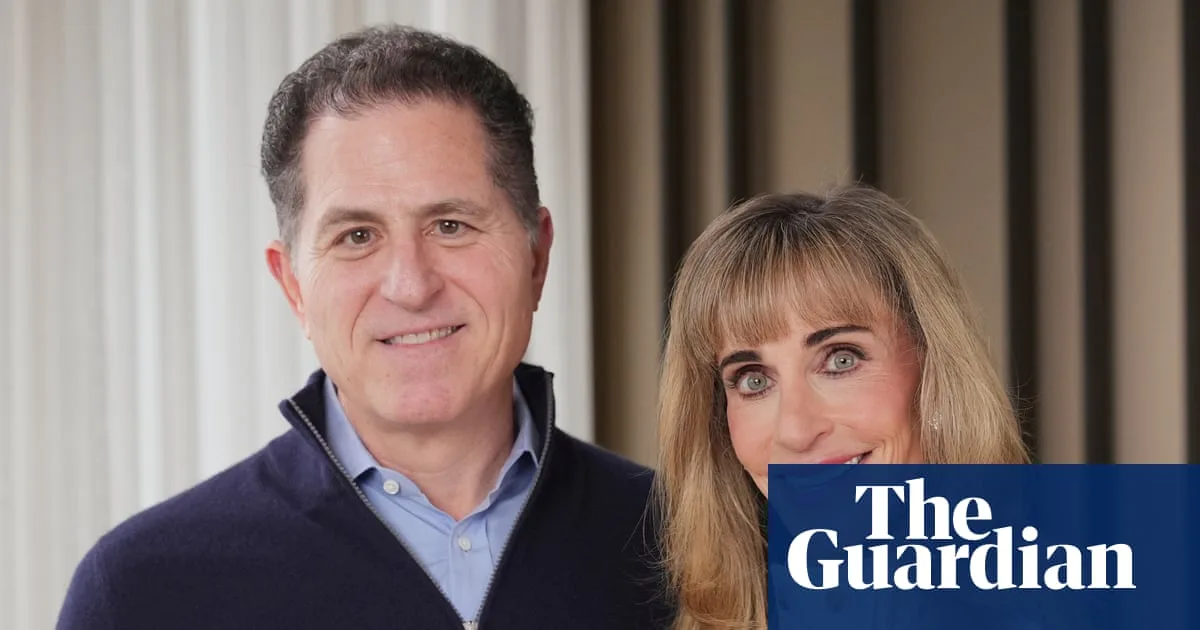
In one of the largest single philanthropic commitments in history, billionaire tech mogul Michael Dell and his wife Susan have pledged a staggering $6.25 billion to fund investment accounts for American children. The unprecedented donation, announced on GivingTuesday, will see $250 deposited into the accounts of 250 million eligible young people.
A Historic Philanthropic Gesture
The scale of the Dell family's commitment is virtually without precedent. Over the past quarter-century, few single charitable gifts have surpassed the $1 billion mark, let alone reached multiple billions. The Dells believe their pledge represents the largest private commitment ever made directly to America's youth.
The funds will flow through a new government initiative known as 'Trump Accounts', which was signed into law on July 4 as part of President Trump's signature legislation. The programme, administered by the US Treasury and managed by private firms, is designed to provide seed capital for children's long-term investment.
Michael Dell, founder and CEO of Dell Technologies, stated, "We believe that if every child can see a future worth saving for, this programme will build something far greater than an account. It will build hope and opportunity and prosperity for generations to come." With an estimated net worth of $148 billion, Dell ranks as the world's tenth-wealthiest individual.
How the 'Trump Accounts' Programme Works
The Treasury Department plans to launch the accounts on July 4, 2025, a date the Dells selected to mark the 250th anniversary of US independence. Under the new law, the government will deposit $1,000 into the accounts of children born between January 1, 2025, and December 31, 2028. These funds must be invested in an index fund tracking the overall stock market.
For children outside that birth window, families themselves must initiate contributions. The Dells' monumental $6.25bn gift will automatically provide the initial $250 for qualified children residing in ZIP codes with a median family income of $150,000 or less.
When beneficiaries turn 18, they can withdraw the accumulated funds to finance higher education, purchase a first home, or start a business. Susan Dell emphasised the symbolic message: "We want these kids to know that not only do their families care, but their communities care, their government, their country cares about them... And we're all rooting for them to have a wonderful future."
Broader Implications and Critical Context
The Dells hope their catalytic donation will encourage families to claim accounts and add their own contributions, however modest, and inspire further philanthropy from corporations and other wealthy individuals. Venture capitalist Brad Gerstner, who advocated for the legislation, called it a "unique platform... that can unlock major giving." He added that including everyone in economic growth is fundamental to sustaining "free market, capitalist democracy."
However, the initiative arrives against a sobering backdrop. In 2024, roughly 13% of US children lived in poverty, a problem experts link to inadequate social supports like paid parental leave. While the investment accounts may aid long-term wealth building, they will not immediately alleviate childhood poverty. Furthermore, accompanying cuts to Medicaid, food stamps, and childcare in the same spending package could reduce vital support for low-income families.
Ray Boshara, a senior policy advisor, expressed optimism, comparing the accounts' potential evolution to programmes like Social Security. "It's a down payment on a big idea that deserves to be improved," he said, noting bipartisan interest in refining the policy over time.
Through their foundation, Michael and Susan Dell have reportedly given $2.9 billion since 1999, primarily focused on education. Susan Dell revealed they increased their commitment over time, concluding, "We're thrilled to be spearheading this... we can't think of a better way to help America's children."




