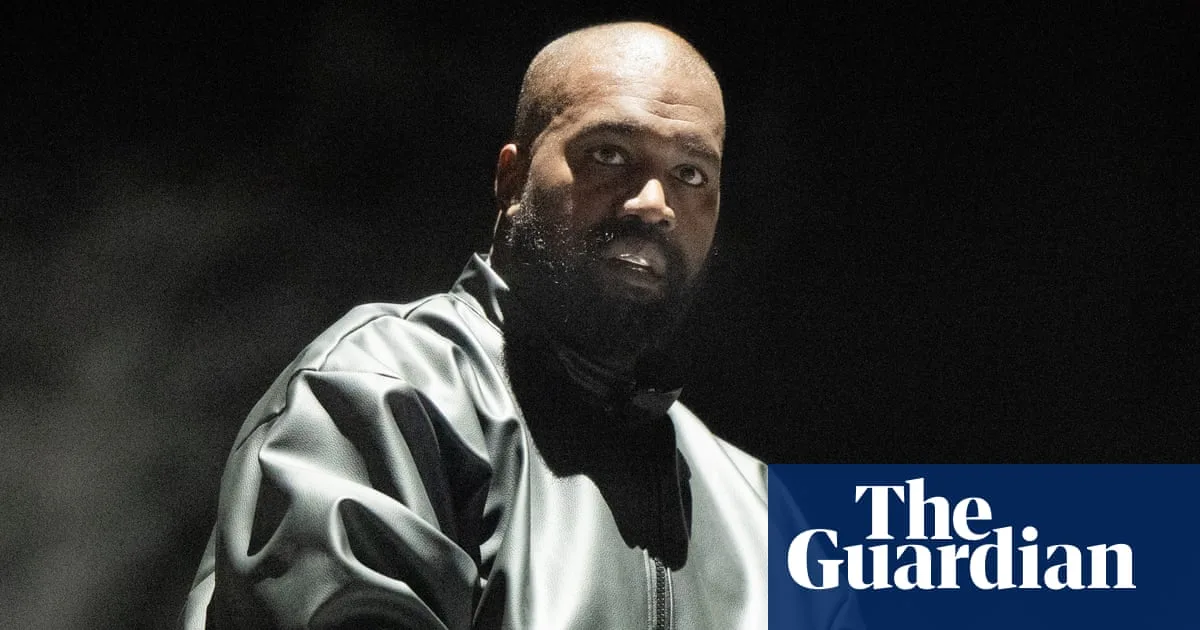
Wireless Festival Cancelled After Home Office Blocks Kanye West from Entering UK
The Wireless Festival in London has been abruptly cancelled after the Home Office intervened to block US rapper Kanye West, now known as Ye, from entering the United Kingdom. The decision follows significant controversy over West's scheduled headline performances, which were set for three nights in July at Finsbury Park.
Travel Authorisation Revoked by Government
According to official statements, the Home Office withdrew Ye's electronic travel authorisation (ETA), effectively denying him entry into the country. The Press Association reports that ministers intervened after an initial online grant, stopping West on grounds that his presence would "not be conducive to the public good." This move directly led to the festival's cancellation, with organisers confirming full refunds for all ticket-holders.
Festival Republic, the event organiser, issued a detailed statement acknowledging the situation: "The Home Office has withdrawn Ye's ETA, denying him entry into the United Kingdom. As a result, Wireless Festival is cancelled and refunds will be issued to all ticket-holders. As with every Wireless Festival, multiple stakeholders were consulted in advance of booking Ye and no concerns were highlighted at the time."
Antisemitism Concerns Prompt Government Action
The cancellation stems from widespread calls to ban West due to his past behaviour, which includes releasing a song titled "Heil Hitler" and advertising swastika T-shirts on his website. Jewish community organisations have welcomed the government's decision, describing it as a necessary step against antisemitism.
The Community Security Trust (CST), which protects British Jews from antisemitism, called it "a sensible outcome to what has been yet another bruising episode for British Jews." Their statement emphasised: "Anti-Jewish hatred should have no place in society and cultural leaders have a role to play in ensuring that is the case."
Similarly, the Campaign Against Antisemitism (CAA) stated the government made "the right decision," noting: "Someone who has boasted of making tens of millions of dollars from selling swastika t-shirts and who released a song called 'Heil Hitler' just months ago clearly would not be conducive to the public good in the UK."
West's Attempts at Reconciliation and Industry Fallout
Prior to the government's decision, West had offered to meet with the British Jewish community, saying in a statement: "I've been following the conversation around Wireless and want to address it directly. My only goal is to come to London and present a show of change, bringing unity, peace, and love through my music. I would be grateful for the opportunity to meet with members of the Jewish community in the UK in person, to listen."
However, Phil Rosenberg, president of the Board of Deputies of British Jews, indicated that any meeting would require West to first withdraw from the festival, citing his recent track record: "It has been less than a year since Kanye West released a song entitled Heil Hitler, the culmination of three years of appalling antisemitism. He also made a number of deeply offensive comments about the black community."
The controversy triggered significant commercial repercussions. Major sponsors including Pepsi, Rockstar Energy, and Diageo withdrew their support after West's announcement, while PayPal opted out of future promotional materials. Additionally, the Mayor of London's office reportedly refused permission for a separate Kanye West concert at the London Stadium this summer, citing community concerns and reputational impact.
Organiser's Defence and Political Reactions
Festival Republic managing director Melvin Benn had previously defended booking West, describing himself as a "deeply committed anti-fascist" and "person of forgiveness." He stated: "We are not giving him a platform to extol opinion of whatever nature, only to perform the songs that are currently played on the radio stations in our country and the streaming platforms in our country and listened to and enjoyed by millions."
Prime Minister Sir Keir Starmer had labelled the decision to have West headline as "deeply concerning," adding political weight to the opposition. The festival's cancellation marks a dramatic conclusion to weeks of mounting pressure, highlighting ongoing debates about accountability, free expression, and community safety in the entertainment industry.
West has previously attempted public apologies, including a full-page advert in the Wall Street Journal titled "To Those I've Hurt," where he wrote: "I am not a Nazi or an antisemite. I love Jewish people." He attributed some behaviour to a bipolar disorder episode, but these efforts proved insufficient to overcome the government's decisive action in this case.






