White House Accuses UK and NATO Allies of Betrayal During Iran Conflict
White House: UK and NATO 'Turned Backs' on US in Iran War

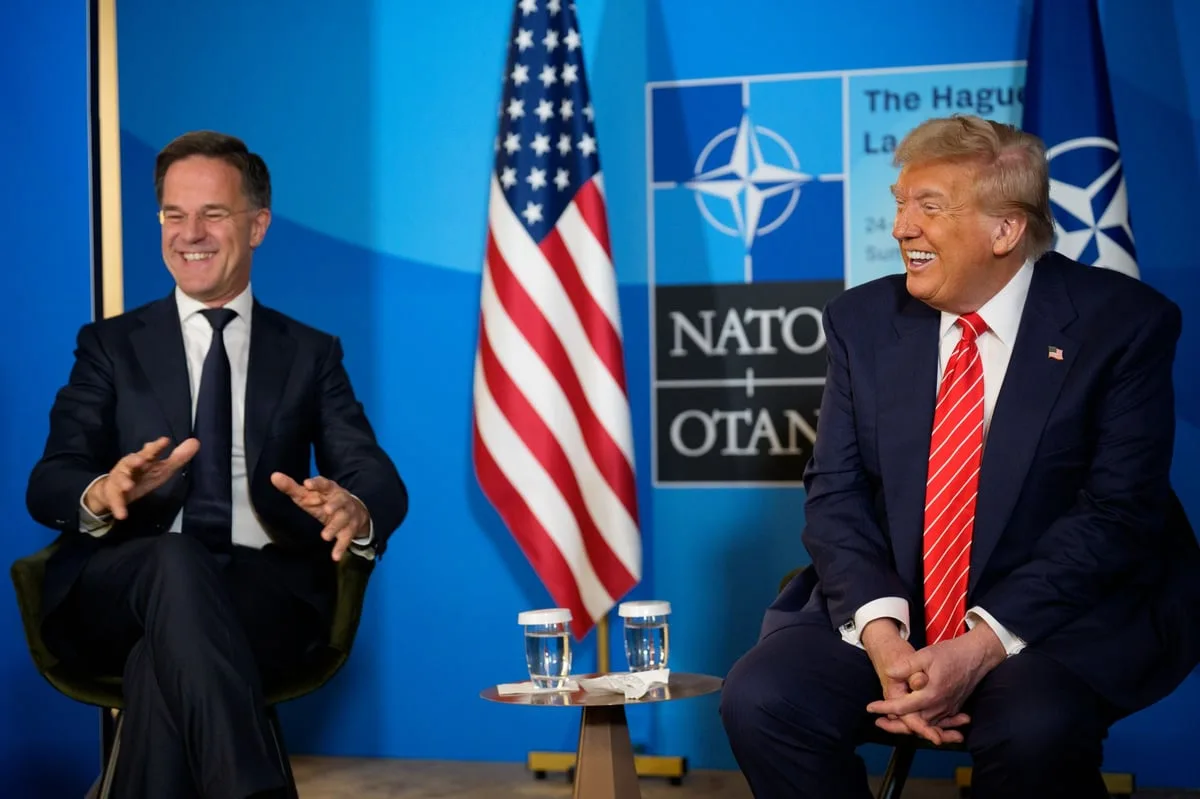
White House officials have launched a scathing attack against Britain and other NATO allies, accusing them of having "turned their backs" on the American people during the recent Iran conflict. The criticism emerged just hours before a crucial meeting in Washington between former President Donald Trump and NATO Secretary-General Mark Rutte.

Trump's NATO Critique Intensifies

During a press conference, White House press secretary Karoline Leavitt shared a direct quote from Mr. Trump regarding NATO's performance: "They were tested and they failed." She elaborated with pointed remarks about alliance dynamics, stating it was "quite sad that NATO turned their backs on the American people over the course of the last six weeks, when it's the American people who have been funding their defence."

Strained Relations Over Military Strategy

The diplomatic friction stems directly from military decisions made during what the United States military designated as Operation Epic Fury. Britain notably refused to participate in offensive actions against Iran and restricted American forces from utilizing UK military bases, creating what insiders describe as a severe strain in relations between Prime Minister Sir Keir Starmer and President Trump.

Wide Pickt banner — collaborative shopping lists app for Telegram, phone mockup with grocery list

Following the ceasefire declaration in the Iran war, several NATO members including the United Kingdom announced plans to "contribute to ensuring freedom of navigation in the Strait of Hormuz." This critical waterway had been effectively closed by Tehran during hostilities, causing significant disruption to global trade patterns. However, White House officials dismissed these post-conflict offers as insufficient and poorly timed.

Burden-Sharing Discussions and Alliance Future

Ahead of the Trump-Rutte meeting, the NATO secretary-general held separate discussions with US Secretary of State Marco Rubio, where they specifically addressed "burden shifting" within the military alliance. US State Department principal deputy spokesman Tommy Pigott confirmed the talks covered "Operation Epic Fury, ongoing US-led efforts to bring a negotiated end to the Russia-Ukraine war, and increasing co-ordination and burden shifting with NATO allies."

President Trump has repeatedly criticized what he perceives as inadequate financial contributions from fellow NATO members, arguing that America has been carrying other countries financially for years. This longstanding complaint has now merged with specific operational grievances from the Iran conflict.

Potential NATO Withdrawal Looms

When questioned about whether President Trump still contemplates withdrawing the United States from NATO, Ms. Leavitt provided a revealing response: "It's something the president has discussed, and I think it's something the president will be discussing in a couple of hours with secretary-general Rutte and perhaps you'll hear directly from the president following that meeting later."

Mr. Trump has previously characterized NATO as a "paper tiger" and was expected to raise the possibility of US departure from the security organization during his conversation with Mr. Rutte. The White House described the upcoming discussion as a "very frank and candid conversation" about the military alliance's future and recent performance.

The public criticism from the White House represents an escalation in tensions between the United States and its traditional European allies, coming at a time when global security challenges demand unprecedented international cooperation. The outcome of the Trump-Rutte meeting could significantly influence NATO's structure and strategic direction for years to come.

Pickt after-article banner — collaborative shopping lists app with family illustration




