The United States and Iran have been engaged in indirect negotiations aimed at extending a two-week ceasefire beyond its expiry on 22 April, as Pakistan's army chief arrived in Tehran to continue mediation efforts. White House press secretary Karoline Leavitt denied on Wednesday that the US had formally requested an extension but said Washington remained 'very much engaged in these negotiations'. She added that a second round of talks would 'very likely' be held in Islamabad and that the White House feels 'good about the prospects of a deal'.
Field Marshal Asim Munir led a Pakistani delegation to Tehran on Wednesday to convey a message from Washington while working to arrange a second round of US-Iranian ceasefire negotiations. The high-powered delegation also included interior minister Mohsin Naqvi. On the same day, Prime Minister Shehbaz Sharif set off on a four-day tour to Saudi Arabia, Qatar and Turkey to bolster peace efforts by coordinating support from other regional powers.
Iran's foreign ministry spokesperson Esmail Baghaei said an exchange of messages between Washington and Tehran had continued even after 21 hours of ceasefire talks in Islamabad broke up over the weekend. Sources in Tehran said Iran demanded an end to Israeli attacks on Lebanon as a precondition for another round of negotiations with the US. Meanwhile, Israeli Prime Minister Benjamin Netanyahu indicated he had not committed to a ceasefire, saying the IDF was continuing to 'strike Hezbollah' in Lebanon.
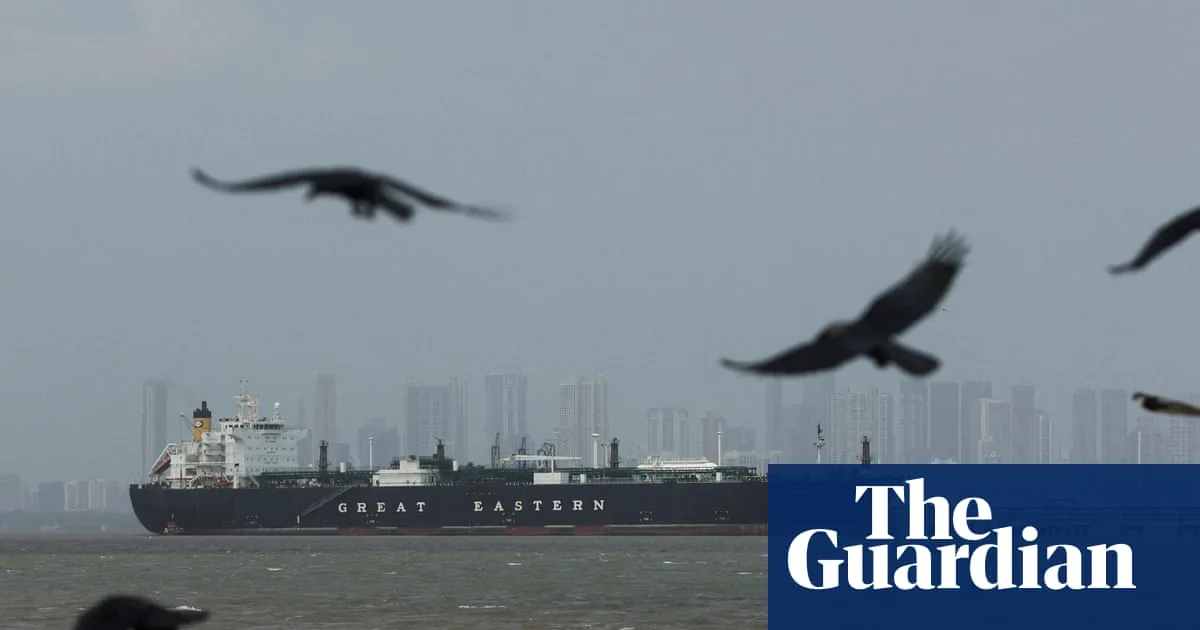
The US military said a naval blockade of Iranian ports imposed after the end of the Islamabad talks had been 'fully implemented', and US warships had turned back nine ships, including the Chinese-owned tanker Rich Starry. Maj Gen Ali Abdollahi of Iran's joint military command said its military could halt trade in the Gulf region if the US did not lift the blockade. US Treasury Secretary Scott Bessent said the US was ready to escalate financial pressure on Iran, preparing for the 'financial equivalent' of a bombing campaign.