White House Press Secretary Defends Trump's Iran Rhetoric as Focus Shifts to Ceasefire Deal
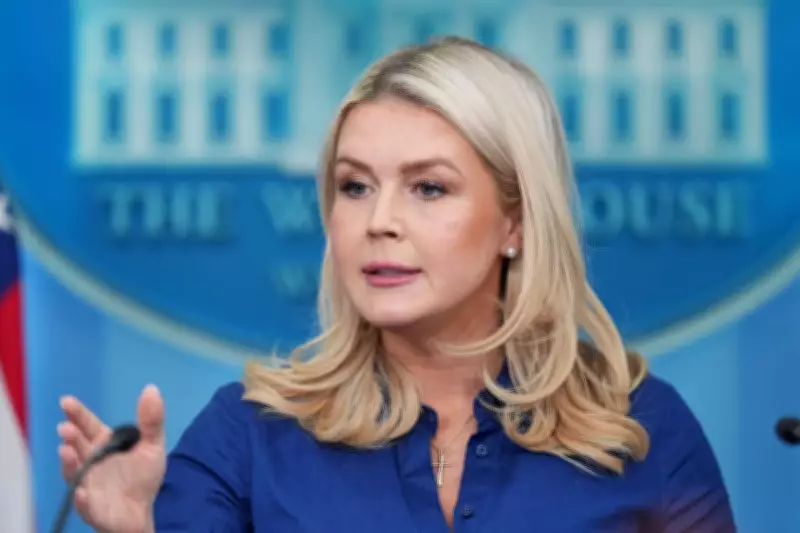
White House Press Secretary Karoline Leavitt has insisted that Americans should disregard President Donald Trump's extreme language regarding Iran and concentrate instead on the tangible outcomes achieved through his confrontational approach. This stance emerged during a tense press briefing on Wednesday, where Leavitt repeatedly deflected questions about the appropriateness of Trump's threats against Iranian civilization.
'Praise be to Allah' Post and Civilizational Threats Draw Scrutiny
The controversy centres on two provocative social media posts from Trump this week. In one, he warned that Iran's "whole civilization will die" if Tehran failed to meet his demands by Tuesday evening. In another, he mocked Iran's Muslim clerical leaders by signing off with "Praise be to Allah" while threatening attacks on the country's infrastructure. Reporters from multiple outlets, including The Independent, pressed Leavitt on whether such rhetoric risked eroding America's moral standing globally.
"I understand the questions about the president's rhetoric, but what the president cares most about is results," Leavitt responded. She argued that Trump's "very tough rhetoric and his tough negotiating style" directly led to the ceasefire agreement announced just hours before the deadline. This deal, she emphasised, includes Iran's commitment to reopen the strategically vital Strait of Hormuz.

Contrast with Past U.S. Leadership Approaches
Trump's language marks a stark departure from historical precedent. During the 2003 invasion of Iraq, President George W. Bush explicitly distinguished between Saddam Hussein's regime and the Iraqi population, assuring citizens that military action was directed at "the lawless men who rule your country and not against you." When questioned about this contrast, Leavitt asserted that Trump's actions, not his words, grant him the "moral high ground over the Iranian terrorist regime."
She further stated: "For you to even suggest otherwise is frankly insulting." Leavitt maintained that the world should take Trump's threats seriously, while simultaneously advising observers to focus on the results he delivers. "He said that they would face very grave consequences... if they did not agree to reopening the Strait of Hormuz. And what did they do last night? They agreed to reopen the Strait of Hormuz," she reiterated, framing the outcome as justification for the means.
Deflection and the 'Ends Justify the Means' Argument
Throughout the briefing, Leavitt avoided direct answers to specific concerns about mocking Islam or targeting civilian infrastructure. Instead, she consistently redirected attention to the ceasefire agreement. "Iran publicly acknowledging last night that they have agreed or that they wanted this ceasefire with the United States because they no longer could tolerate being bombed by our very powerful and lethal military," she claimed, highlighting the perceived effectiveness of Trump's pressure tactics.
The press secretary's message was clear: evaluate the administration by its achievements, not its rhetoric. This position underscores a broader strategy where provocative statements are presented as calculated tools of negotiation rather than reflections of policy intent. As the White House navigates this delicate geopolitical situation, the emphasis remains firmly on the reopening of the Strait of Hormuz and the temporary cessation of hostilities, with moral and diplomatic questions sidelined in favour of tangible strategic gains.