Vietnam's New President Lam Visits China, Xi Urges AI and Infrastructure Ties
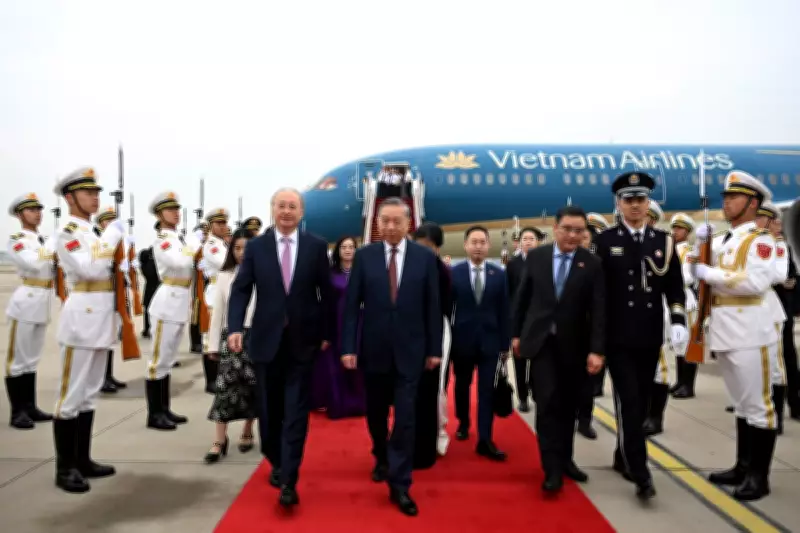
Vietnamese President To Lam embarked on his inaugural overseas journey to China this week, marking a significant diplomatic move following his election last week. The four-day visit, which commenced on Tuesday, underscores Lam's foreign policy priorities and the deepening relationship between the two Communist-led nations.
Xi Jinping Calls for Enhanced Collaboration in Emerging Technologies
During a meeting on Wednesday, Chinese President Xi Jinping urged Beijing and Hanoi to prioritize advancing infrastructure connectivity and strengthen their collaborations in emerging fields such as artificial intelligence and semiconductors. According to reports from China's state broadcaster CCTV, Xi emphasized that these areas are crucial for mutual development and strategic alignment.
Xi highlighted the shared ideological foundations, stating that defending the socialist system and the Communist Party's ruling position represents the greatest common strategic interest between the two parties. He called on both sides to firmly uphold confidence in their paths and systems, while persisting in reforms without changing direction.

Lam's Commitment to Strengthening Bilateral Relations
In response, President Lam affirmed Vietnam's commitment to developing relations with China, describing it as an objective need, strategic choice, and top priority for his administration. He expressed willingness to enhance cooperation across various sectors, including trade, investment, railways, and other infrastructure projects.
This meeting signals a concerted effort to bolster economic and technological ties, with both leaders recognizing the importance of collaboration in high-tech industries. The focus on artificial intelligence and semiconductors reflects a forward-looking approach to bilateral engagement, aiming to capitalize on emerging global trends.
Implications for Regional Dynamics
The visit not only reinforces the political and ideological bonds between Vietnam and China but also sets the stage for increased economic integration. By prioritizing infrastructure connectivity and cutting-edge technologies, both nations aim to foster sustainable growth and regional stability.
Observers note that Lam's choice of China for his first overseas trip underscores the strategic significance of the relationship, potentially influencing broader geopolitical dynamics in Southeast Asia. As both countries navigate complex global challenges, this renewed partnership could shape future collaborations in trade, innovation, and governance.