Heightened Terror Threat in US Amid Iran War, Experts Warn of Election Impact
The ongoing military campaign against Iran by the United States and Israel has significantly increased the risk of terrorist attacks on American soil, with security analysts warning of dangers not seen since the September 11, 2001 attacks. This escalation comes during a critical election year, raising concerns about potential political ramifications.
Recent Attacks Highlight Growing Dangers
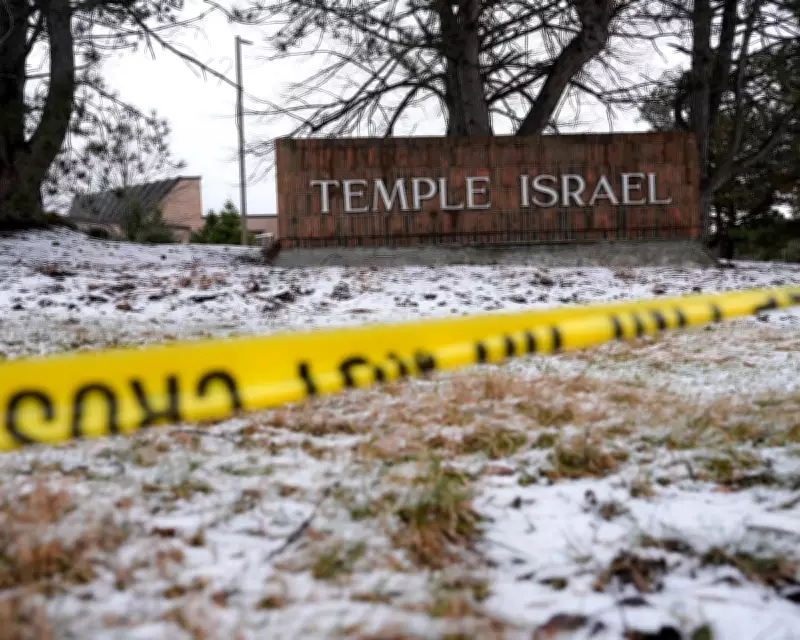
Multiple incidents this month have demonstrated the heightened security threats facing the United States. In Virginia, a gunman shouting "Allahu Akbar" killed one person and wounded two others at Old Dominion University before being identified as a former national guardsman with connections to Islamic State. Meanwhile, in Michigan, a Lebanese-born US citizen drove a truck into the Temple Israel synagogue in West Bloomfield Township before being shot dead by security guards.
These events followed a deadly March 1st attack in Austin, Texas, where a man wearing clothing with Iranian flag designs shot two people dead and wounded fourteen others in a bar before police fatally shot him. While no direct evidence links these incidents to Iran, analysts warn that "asymmetric" attacks ordered or inspired by Tehran represent a genuine and immediate danger.
Iran's Escalating Threats and Capabilities
Matthew Levitt, a counter-terrorism specialist at the Washington Institute for Near East Policy, notes that threats from Tehran were already escalating before the current military campaign began on February 28th. Iran has been seeking revenge for last June's twelve-day war, during which US strikes damaged nuclear facilities and Israel killed several senior commanders.
"The fact that many of the plots do not seem particularly capable doesn't mean that they won't ultimately succeed," Levitt argues. "We need to get it right every time, they need to get it right once."
Iran is believed to have plotted against former President Donald Trump and senior officials from his administration, including former Secretary of State Mike Pompeo and ex-national security adviser John Bolton, in retaliation for the 2020 assassination of Qassem Suleimani. Recent reports suggest Iran may have attempted to activate "sleeper cells" within the United States.
Security Readiness Concerns
Experts express serious concerns about America's preparedness to meet this escalated threat. Colin Clarke, executive director of the Soufan Center, notes that "readiness is a huge issue" as resources have been diverted from counter-terrorism to immigration enforcement and other priorities.
John Donohue, a former assistant head of intelligence with the New York Police Department, warns that the existential threat to Iran's regime might drive it to deploy long-term assets already in place within the United States. "If you look at the history of the attempts of the Iranian regime against American interests, you don't see small, limited types of events," Donohue observes. "They're looking for mass-casualty assets."
Political Implications in an Election Year
The timing of these security threats has raised questions about potential political consequences. Historian Timothy Snyder has suggested that provoking a terrorist attack might serve political purposes, potentially providing pretexts for extraordinary presidential powers or election interference.
Steven Cash, executive director of the Steady State organization, notes the rational basis for Iranian retaliation: "We've destroyed whatever capability of both defense and deterrence that they would have through what we would consider appropriate military means, and we've left them with nothing else."
Cash adds that such retaliation "may be that this is what Trump's interested in" as he has spent considerable time trying to convince Americans of domestic threats that could justify expanded presidential authority.
Long-Term Security Implications
Even after military operations conclude, security experts warn that threats will persist. "Once the war ends, the threat is maybe not as immediately acute, but it'll hang over us," Levitt explains. "There'll be a tail to this because from the Iranian perspective, all kinds of lines have been crossed."
The combination of heightened threats, security resource reallocation, and political tensions creates what analysts describe as a perfect storm of vulnerability during a critical period for American democracy and national security.