US Intelligence Chiefs to Face Congress on Iran War and Domestic Security Threats
Senior national security officials from the Trump administration are set to undergo rigorous questioning in back-to-back congressional hearings starting Wednesday. The sessions are expected to focus intensely on the ongoing war in Iran, particularly a controversial missile strike that hit an elementary school, and the Federal Bureau of Investigation's capacity to thwart terror attacks within the United States.
Scrutiny Over Iran Conflict and Intelligence Failures
The annual worldwide threats hearings, featuring the government's most senior intelligence leaders, come at a time of heightened scrutiny over U.S. military operations in the Middle East. Concerns about terrorism on American soil have escalated following recent attacks, including incidents at a Michigan synagogue and a Virginia university.
Testimony before the House and Senate intelligence committees will likely center on the war in Iran, with a specific emphasis on revelations that outdated intelligence probably led to a U.S. missile strike on an Iranian elementary school, resulting in over 165 fatalities. Reports indicate the flawed targeting data originated from the Defense Intelligence Agency, whose director, Lieutenant General James H. Adams, is among those scheduled to testify. The White House has stated that the strike remains under active investigation.
Internal Administration Debates and Resignations
The hearings, commencing Wednesday in the Senate and continuing Thursday in the House, are also anticipated to explore internal administration disagreements regarding the war. This follows the recent resignation of Joe Kent as director of the National Counterterrorism Center. Kent declared on Tuesday that he could not "in good conscience" support the Trump administration's war efforts, disputing the notion that Iran poses an imminent threat to the United States.
Hours after Kent's departure, Director of National Intelligence Tulsi Gabbard, whose office supervised Kent's work and who is expected to appear at the hearings, posted a carefully worded social media message. She asserted that it is President Trump's prerogative to determine whether Iran constitutes a threat, without disclosing her personal views on the strikes.
Intelligence Assessments and FBI Leadership Under Fire
Gabbard and CIA Director John Ratcliffe may face inquiries about recent intelligence evaluations concerning Iran. These include assessments suggesting that U.S. strikes are unlikely to precipitate regime change in Tehran and others that question claims of Iran preparing a first strike.
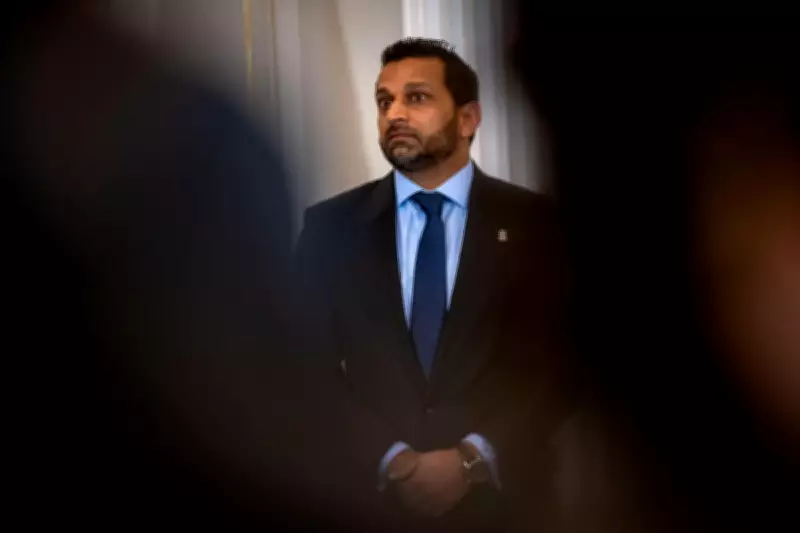
Additionally, the hearings are likely to address the leadership of Kash Patel at the FBI. This marks his first public appearance on Capitol Hill since video emerged last month showing him celebrating with members of the U.S. men's hockey team after their gold medal victory at the Winter Olympics. In his inaugural year, Patel has dismissed dozens of agents, sparking worries about a depletion of national security expertise during a period of elevated terrorism threats.
Recent Domestic Attacks Heighten Security Concerns
The urgency of these discussions is underscored by a series of recent domestic incidents. This month alone, a gunman adorned with Iranian flag motifs killed two individuals at a Texas bar; two men allegedly inspired by the Islamic State were arrested for bringing homemade explosives to a protest outside New York City's mayoral residence; a man with a prior terrorism conviction opened fire in a Virginia university classroom; and a Lebanese-born man in Michigan drove his vehicle into a synagogue.
The FBI has emphasized its round-the-clock efforts to safeguard the nation, but these events have intensified calls for robust scrutiny of the agency's preparedness and strategies during the congressional hearings.