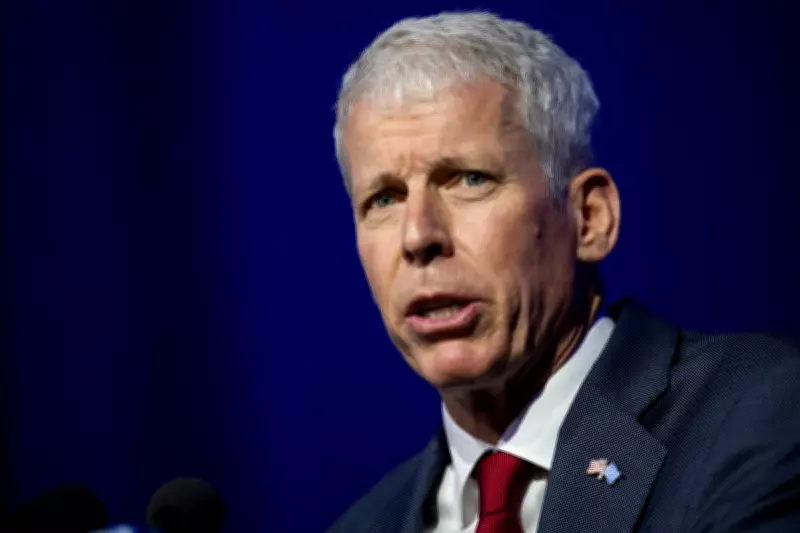
In a significant development regarding the ongoing Middle East conflict, US Energy Secretary Chris Wright has publicly stated his belief that the war against Iran will be over "within the next few weeks". This prediction was made during an exclusive interview for ABC's flagship programme, This Week, where Wright elaborated on the potential economic implications of the conflict's resolution.
Economic Outlook Post-Conflict
Secretary Wright emphasised that once the hostilities cease, global oil prices are expected to experience a notable decline. This forecast is based on the anticipated stabilisation of energy markets following the disruption caused by the prolonged military engagement in the region. The energy secretary's comments highlight the interconnected nature of geopolitical stability and international economic performance, particularly within the volatile energy sector.
Contrasting Military Assessments
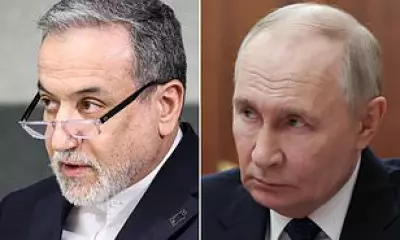
Despite Wright's optimistic timeline, his assessment appears to conflict with recent statements from Israeli military officials. The Israeli defence establishment has indicated that they are planning for at least three more weeks of intensive operations within Iran, suggesting a more protracted engagement than the US energy secretary anticipates. This discrepancy underscores the complex and often divergent perspectives among key allies involved in the multinational effort.
Presidential Position on Ceasefire
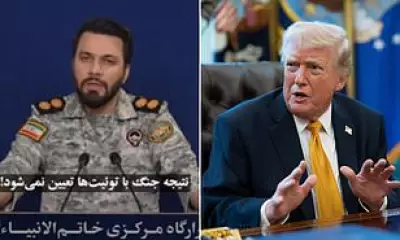
Meanwhile, President Donald Trump has adopted a more cautious stance regarding diplomatic resolutions. In an interview with NBC News broadcast on Saturday, the President explicitly stated that the United States is "not ready" to strike a ceasefire deal with Iran at this juncture. He clarified his position by asserting that "the terms aren't good enough yet," indicating that further negotiations or military developments may be required before Washington considers formal peace talks.
Strategic Implications
The simultaneous announcements from high-ranking US officials reveal a nuanced approach to the conflict. While the Energy Department projects a swift conclusion based on economic indicators, the executive branch maintains strategic patience regarding diplomatic settlements. This dual-track strategy reflects the multifaceted considerations involved in modern warfare, where economic, military, and diplomatic factors must be carefully balanced.
As the situation continues to evolve, international observers will be closely monitoring both the battlefield developments in the Middle East and the diplomatic corridors in Washington. The coming weeks will prove crucial in determining whether Secretary Wright's prediction materialises or if President Trump's measured approach extends the timeline for conflict resolution.