The United Nations Security Council has called an emergency session to discuss the escalating and deadly protests in Iran, following a formal request from the United States. The meeting is scheduled for Thursday afternoon, 15 January 2026.
Heightened Tensions and Military Precautions
This diplomatic move comes amid a significant rise in regional tensions. Iran closed its airspace to commercial flights for several hours early on Thursday without providing an explanation. In a related development, some personnel at a key US military base in Qatar were advised to evacuate, and the US Embassy in Kuwait ordered a temporary halt to travel to multiple military bases within the Gulf state.
The request for the UN meeting was made by the US, though President Donald Trump has not specified what actions, if any, he intends to take against the Islamic Republic. This follows his threat to intervene to prevent further killings of protesters, including the execution of detainees.

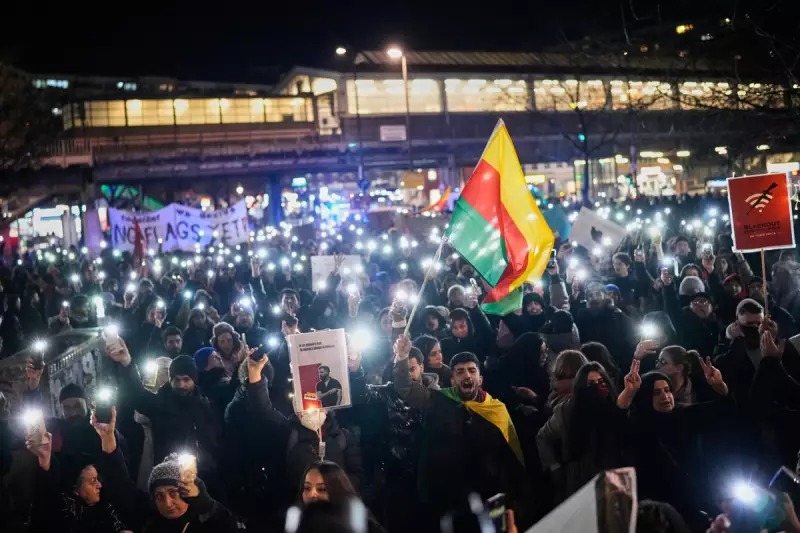
According to the US-based Human Rights Activists News Agency, the state crackdown on demonstrations has resulted in at least 2,615 fatalities. This death toll marks the highest from any period of protest or unrest in Iran for decades, drawing comparisons to the turmoil of the 1979 Islamic Revolution.
Regional Ripple Effects and Airline Response
The unrest is causing significant disruption beyond Iran's borders, with major airlines altering their operations due to security fears. Europe's largest airline group, Lufthansa, announced on Thursday that it would suspend all night flights to and from Tel Aviv and Amman, Jordan, for a five-day period.
The group, which includes Swiss, Austrian Airlines, Brussels Airlines, and Eurowings, stated the change was "due to the current situation in the Middle East." This measure is designed to ensure that crew members are not required to stay overnight in the region. Furthermore, Lufthansa confirmed its aircraft would avoid flying over Iranian and Iraqi airspace, which are crucial corridors for travel between the Middle East and Asia.
Denials and International Condemnation
Amid the crisis, Iranian state media has denied reports from what it termed "opposition media abroad" claiming a young man arrested during the protests had been swiftly sentenced to death. Judicial authorities stated that Erfan Soltani was being held in a detention facility outside Tehran and, along with others, faced accusations of "propaganda activities against the regime."
The international response continues to grow. New Zealand's Foreign Minister, Winston Peters, stated his government was "appalled by the escalation of violence and repression" in Iran. In a post on X, he condemned the "brutal crackdown" and affirmed that Iranians have a right to peaceful protest, freedom of expression, and access to information.
The situation remains fluid, with the UN Security Council meeting representing a critical juncture for international diplomacy regarding the Iranian government's response to the widespread demonstrations.