Secret Ukrainian Unit Struck Russian Shadow Fleet from Libya, Officials Confirm
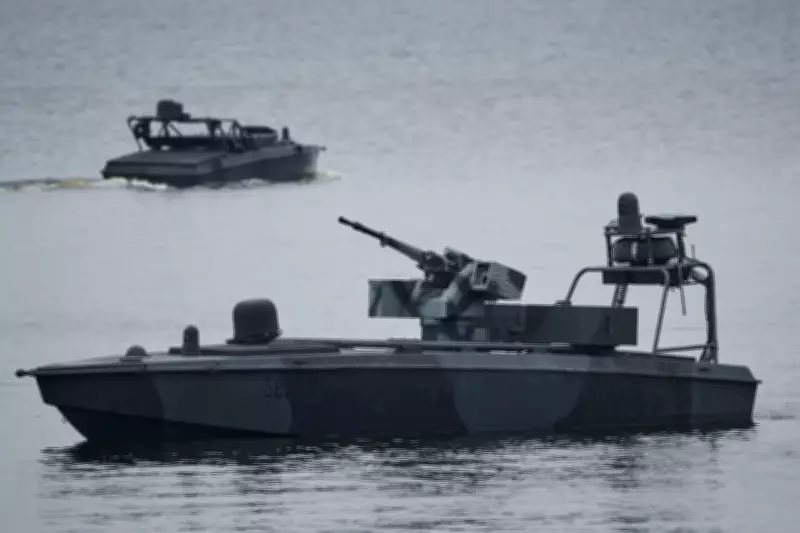
In a covert operation, a secret unit of Ukrainian forces launched an attack on a Russian oil tanker while operating in western Libya, according to officials from the North African country. The incident, which occurred in early March, involved a suspected sea drone strike on the Russian-flagged Arctic Metagaz, a vessel carrying 61,000 tons of liquefied natural gas. The attack caused a sudden explosion and massive fire, severely damaging the tanker and forcing its crew to evacuate, leaving it adrift towards Libyan waters.
The Arctic Metagaz is part of Russia's so-called shadow fleet, used to transport oil in violation of international sanctions imposed over Moscow's invasion of Ukraine. While Ukraine has not directly commented on this specific incident, it has consistently stated that Russia uses oil export revenues to fund its war efforts, thereby making its tanker fleet legitimate military targets. This strike underscores Kyiv's strategy to disrupt Russian energy exports as a means to weaken its financial capabilities in the ongoing conflict.
Escalating Tensions and Ceasefire Stalemate
Amid these developments, US Vice President JD Vance has accused Russia and Ukraine of prolonging hostilities over minor territorial gains. Vance remarked that both sides are "haggling over a few square kilometres of territory," questioning whether such disputes justify continued loss of life and economic devastation. He emphasized that any ceasefire agreement must be reached directly between the two nations, stating "it takes two to tango." However, his comments have been met with skepticism, as Russia continues to demand control over the entire Donbas region, despite failing to capture it militarily. Ukraine still holds approximately 20% of Donetsk, an area of about 5,300 square kilometres.

In a related diplomatic move, Ukrainian President Volodymyr Zelensky has called for a halt to fighting in Ukraine, citing the recent ceasefire in the Middle East as a potential model. Zelensky expressed on social media that a ceasefire could pave the way for diplomatic efforts, save lives, and prevent further destruction. He reiterated Ukraine's readiness to respond in kind if Moscow ceases its strikes, though previous ceasefire attempts have yielded no results, with both sides continuing long-range attacks.
Regional Warnings and Energy Disputes
Russia has issued stern warnings to Baltic states, cautioning them against allowing Ukrainian drones to use their airspace for attacks on Russian targets. Foreign Ministry spokesperson Maria Zakharova described recent drone incidents, including strikes on Baltic ports like Primorsk and Ust-Luga, as terrorist attacks. She warned that countries facilitating such operations expose themselves to significant risks, highlighting the broader regional implications of the conflict.
Meanwhile, tensions have flared between Ukraine and Hungary, with US Vice President JD Vance accusing Zelensky of making "scandalous" comments about Hungarian Prime Minister Viktor Orban. The dispute centers on allegations that Kyiv is manipulating energy supplies to influence Hungary's upcoming election, though Ukraine attributes pipeline issues to a Russian drone attack. This diplomatic friction has led Hungary to block a substantial EU loan for Ukraine, further complicating international support efforts.
Economic and Strategic Implications
Zelensky has also addressed global energy markets, advocating for the reopening of the Strait of Hormuz to stabilize oil prices while ensuring that Russia does not benefit from increased revenues. He argued that easing sanctions on Russian oil is unnecessary if the strait is unblocked, as oil profits directly fuel Moscow's war machine. This stance aligns with Ukraine's broader economic strategy to isolate Russia financially.
In the United States, former President Donald Trump has reiterated criticisms of NATO, complaining that the alliance "wasn't there when we needed them" following discussions with Secretary-General Mark Rutte. Trump's remarks come amid tensions over NATO's response to conflicts involving Iran, reflecting ongoing strains in trans-Atlantic relations that could impact support for Ukraine.

As the war enters its fourth year, with a frontline spanning over 1,200 kilometres, these developments illustrate the complex interplay of military, diplomatic, and economic factors shaping the conflict. Ukrainian forces continue to make strategic gains, such as recapturing territory in the Dnipropetrovsk region, while facing persistent challenges from Russian aggression and international political dynamics.