First Official Ceasefire Agreed in Ukraine War After Zelenskyy Push
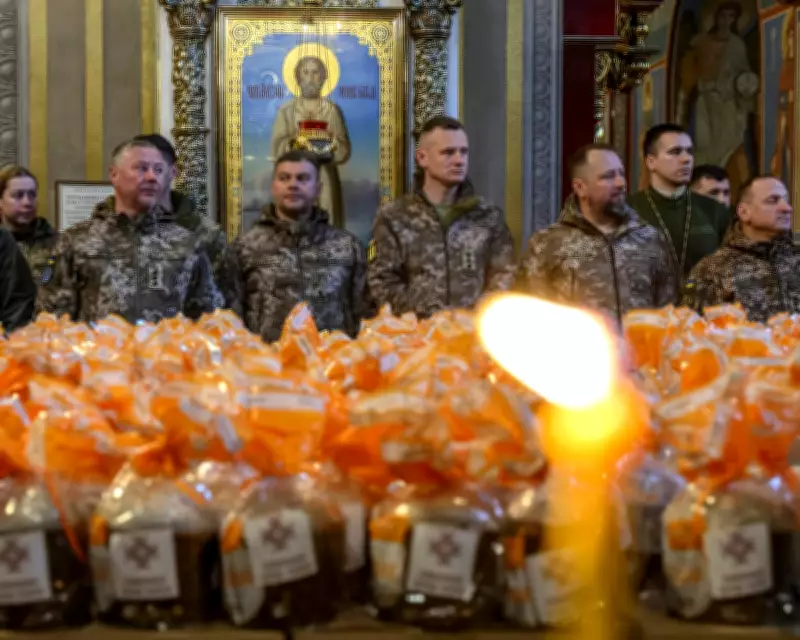
Ukraine and Russia have reached what appears to be their first official theatre-wide ceasefire since the full-scale invasion began in February 2022. This development follows repeated offers from Ukrainian President Volodymyr Zelenskyy for a pause in hostilities to mark Orthodox Easter, observed this weekend.
Details of the Easter Truce
The 32-hour ceasefire is scheduled to commence on Saturday afternoon. In a statement early Friday, Zelenskyy emphasised Ukraine's readiness for reciprocal steps, stating, "We proposed a ceasefire during the Easter holiday this year and will act accordingly. People need an Easter without threats and a real move towards peace, and Russia has a chance not to return to attacks even after Easter."
The Kremlin, however, has attempted to portray the initiative as its own. A statement declared, "We assume that the Ukrainian side will follow the example of the Russian Federation. Orders have been issued for this period to cease hostilities in all directions." Notably, Russia left an opening for continued action, warning that troops should be prepared to counter any "possible provocations by the enemy" or aggressive actions.

Context of Previous Truces
Prior to this agreement, the war has seen only unofficial, ill-defined, and patchily observed truces. These included:
- Localised halts for surrenders, prisoner exchanges, or civilian evacuations.
- A limited "energy truce" in March 2025, aimed at halting strikes on oil, gas, electrical facilities, and sea targets.
- Unilateral declarations by Moscow, such as for the 80th anniversary of Soviet victory in World War II, which Ukraine rejected.
International Involvement and Motivations
The Easter truce appears to have materialised with minimal US involvement, despite the Trump administration's extensive courting of Vladimir Putin over the past year. US officials remain preoccupied with the Iran war and their own fragile ceasefire. Zelenskyy noted he transmitted his offers via the US, and Reuters sources indicate Putin's special envoy, Kirill Dmitriev, was in the US as of Thursday.
Potential motivations for the ceasefire include:
- Russian economic strain: Successful Ukrainian strikes have heavily impacted Russia's oil export industry, a key revenue source for the war.
- Ukrainian energy challenges: Russia's strikes on Ukraine's civilian energy grid have caused significant struggles.
Related Security Developments
In other news, Russia's Federal Security Service (FSB) detained a former Radio Free Europe freelancer in Chita for alleged treason, accusing him of cooperating with Ukraine. Meanwhile, masked agents searched the offices of the independent newspaper Novaya Gazeta in Moscow, citing an investigation into illegal personal data use.
On the maritime front, UK Defence Minister John Healey revealed that Britain and allies, including Norway, deployed warships earlier this year to protect undersea cables and pipelines from Russian submarine activity. Healey warned, "To President Putin, I say we see you. We see your activity over our cables and our pipelines, and you should know that any attempt to damage them will not be tolerated and will have serious consequences." Russia's embassy in London dismissed the claims as "impossible to either believe or verify."