UK Will Not Join Offensive Strikes on Iran, Prime Minister Starmer Confirms
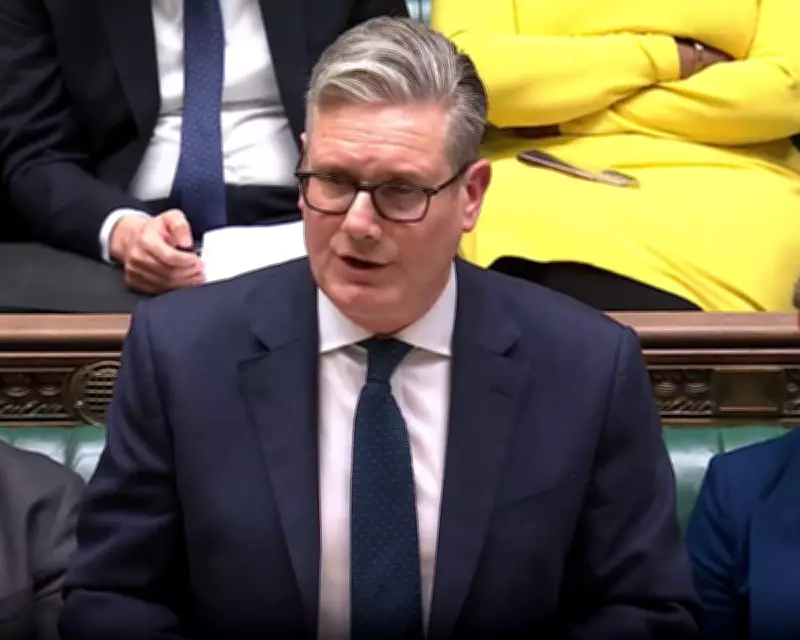
Prime Minister Keir Starmer has declared that the United Kingdom will not participate in offensive strikes by Israel and the United States against Iran, emphasising that the UK does not believe in "regime change from the skies." However, he defended the use of UK military bases for defensive purposes, stating this approach is essential to safeguard British interests and lives.
Lessons from Iraq Inform Decision
Speaking in the House of Commons, Starmer highlighted that the UK has "learned the lessons from Iraq," which influenced his decision to avoid involvement in offensive actions. He asserted that any UK military actions must have a lawful basis and a well-thought-out plan, reflecting on past mistakes to ensure responsible policymaking.
Defensive Actions and International Law
Starmer explained that the UK is responding to Iran's retaliatory strikes by deploying UK aircraft and permitting the use of bases for defensive measures. He cited Iran's attacks on allies across the region as a direct threat, justifying these actions under international law for collective self-defence. "It is clear that Iran's outrageous response has become a threat to our people, our interests and our allies, and it cannot be ignored," he stated.

Specific Incidents and Responses
The Prime Minister detailed specific incidents, including an Iranian drone strike intercepted by the RAF near a coalition base in Iraq and a drone fired at RAF Akrotiri in Cyprus. Defence Secretary John Healey reported minimal damage but noted that families at RAF Akrotiri are being relocated temporarily. Starmer clarified that UK bases are not being used to launch US strikes, maintaining a distinction between defensive and offensive roles.
Criticism and National Interest
Despite criticism from US President Donald Trump, who expressed disappointment over the UK's stance, Starmer emphasised his duty to act in Britain's national interest. He acknowledged Trump's disagreement but stood firm on the decision, prioritising the safety of an estimated 300,000 British citizens in the region, many of whom are at risk from Iranian attacks on airports and hotels.
Future Steps and Regional Stability
Starmer called for a negotiated settlement to address Iran's nuclear aspirations and destabilising activities, aligning with longstanding UK government positions. He announced that the Foreign, Commonwealth and Development Office will deploy rapid teams to assist stranded British citizens, particularly in the UAE, and urged individuals to register their presence for safety measures.