UK and Japan Deepen Strategic Ties on Cybersecurity and Critical Minerals
In a significant move to counterbalance China's growing influence, Japan and Britain have formally agreed to enhance their collaboration on cybersecurity and the supply of critical minerals. The agreement was announced during British Prime Minister Keir Starmer's visit to Tokyo, marking a pivotal moment in bilateral relations between the two nations.
Geopolitical Context and Strategic Imperatives
Prime Minister Starmer emphasised that his trip to Japan occurs at a time of profound global instability, with geopolitical, economic, and technological shocks reverberating worldwide. This visit follows closely on the heels of his diplomatic engagement in Beijing, where discussions with Chinese President Xi Jinping aimed at establishing a long-term "strategic partnership." However, regional tensions have escalated, particularly due to comments from Japanese leader Sanae Takaichi regarding potential Japanese involvement in scenarios involving Taiwan, which China claims as its territory.
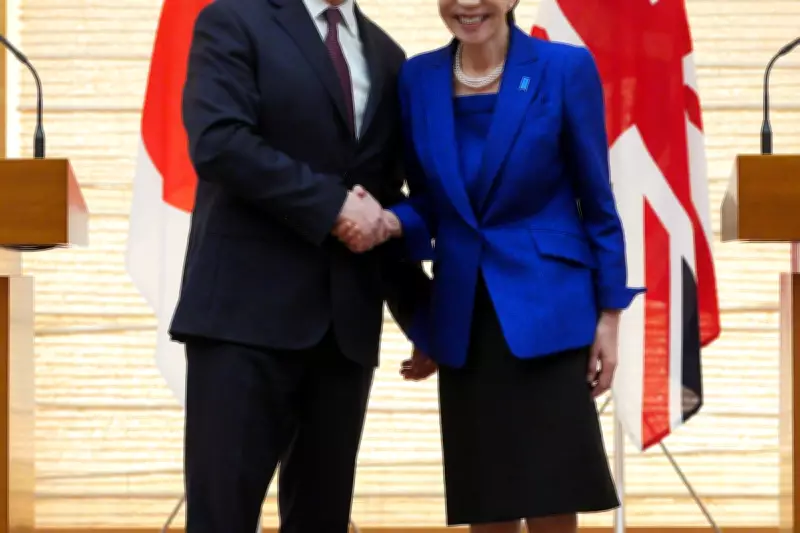
During a joint news conference, Starmer and Takaichi outlined their commitment to bolstering collective security across both the Atlantic and Indo-Pacific regions. They pledged to drive economic growth and resilience while launching a new cyber strategic partnership. This initiative is designed to fortify cybersecurity measures, thereby protecting their respective economies from emerging digital threats.

Cybersecurity and Critical Minerals: Dual Priorities
Japan has been actively ramping up its cybersecurity defences in response to concerns about vulnerabilities, especially as it accelerates military modernisation and deepens cooperation with allies like the United States. The new UK-Japan cyber partnership aims to address these challenges through shared intelligence, technology exchange, and coordinated response protocols.
Simultaneously, the issue of critical minerals has taken centre stage. Takaichi highlighted growing global apprehensions over export restrictions on these essential resources. The leaders agreed that it is urgent for like-minded nations to collaborate in strengthening supply chain resilience. Critical minerals, including rare earth elements and other substances vital for economic and military strength, are at the heart of this effort. The U.S. government identifies 50 such minerals as critical, underscoring their strategic importance.
Broadening Alliances and Economic Cooperation
As Japan's sole treaty ally remains the United States, uncertainties regarding Washington's security commitments in the region have prompted Tokyo to expand partnerships with other friendly nations, including Australia and Britain. In this context, the UK-Japan agreement represents a strategic diversification of alliances.
The two countries, both major trading and defence partners, have committed to cooperating on building more diversified supply chains for critical minerals and other key sectors. They will also work together to support institutions that uphold a free and predictable multilateral trade system. This includes efforts to expand the 12-nation Comprehensive and Progressive Agreement for Trans-Pacific Partnership and enhance collaboration with the European Union.
Takaichi expressed optimism about the future of bilateral relations, stating, "I hope to elevate Japan-British relations even higher." This sentiment reflects a shared vision for a strengthened partnership that addresses contemporary geopolitical challenges while fostering economic stability and innovation.
The discussions in Tokyo underscore a proactive approach to navigating an increasingly complex global landscape, where cybersecurity and resource security are paramount to national interests.