Nato leaders survived another nerve-racking summit with Donald Trump and the 77-year-old defence alliance lives to fight another day, proving its durability against Atlantic storms. But it will never feel safe as long as the unpredictable, vengeful and ruthlessly transactional US president is in the White House.
Trump's Disruptive Presence
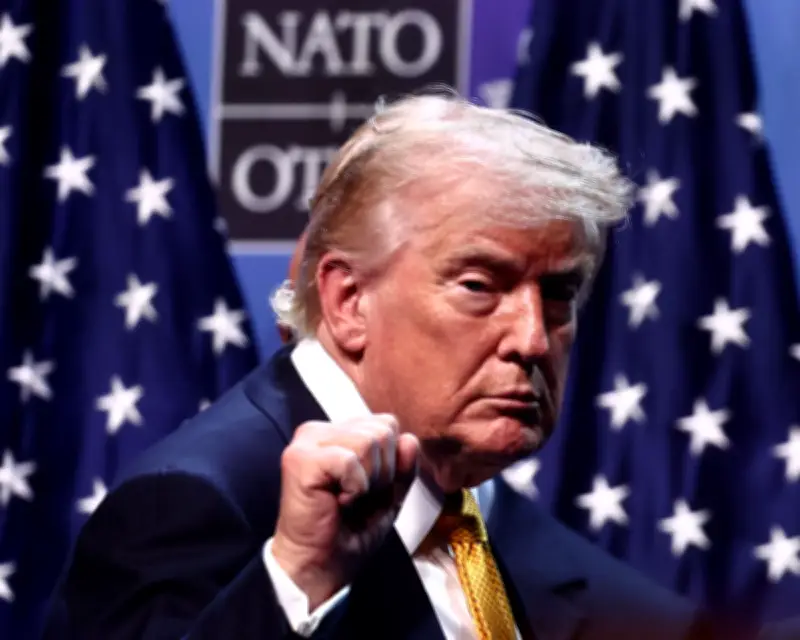
As usual, Trump stole all the headlines at the annual summit in Ankara, Turkey, on 8 July 2026, with a mixture of Nato-bashing and implausible threats to take control of Greenland and cut trade with Spain. He declared the ceasefire with Iran dead and called Iranian leaders “scum” as US warplanes bombed Iranian targets along the Strait of Hormuz. Pitted against such irresistible clickbait, no Nato communique stood a chance of public attention.
The more important question is which show Vladimir Putin was watching – season 94 of Trump Breathes Fire at Nato, or the crisp, upbeat Ankara summit declaration vowing “ironclad commitment to collective defence under article 5” and to the transatlantic bond.
Risk of Putin's Misreading
The risk is that Putin, bogged down in an unwinnable war in Ukraine that he blames not on his own imperial aggression but on Nato expansionism, pays more attention to Trump’s wrecking ball than to the solemn pronouncements of allied unity and resolve. Who could blame him if he concluded that this US president – whatever the communique says – would not lift a finger to defend a Baltic ally if Russia made a sudden territorial grab or ramped up its hybrid warfare against Europe to show Nato up as a “paper tiger”?
Summit Achievements and Ambiguities
The Ankara summit was meant to be focused on delivering Nato’s pledge to invest 5% of GDP in defence and related infrastructure by 2035, turbo-charging allied defence industries and putting support for Ukraine on a sustainable long-term basis. On paper, it ticked all three boxes.
Coordinated announcements of tens of billions of dollars in equipment purchases and joint projects for urgently needed capabilities, such as air-to-air refuelling tankers, long-range precision missiles and air-defence missiles, illustrated amply that European allies and Canada are signing big cheques to strengthen their defences, even as the US pulls back some forces from Europe.
The leaders pledged to “continue our work to eliminate defence trade barriers among allies”. Yet it was not clear whether that ambiguous phrase was meant as a warning to the EU against including “buy European” provisions in EU-funded joint procurement plans, or a plea to the US to ease technology transfer restrictions that mean allies do not have full control of US weapons systems they acquire.
European Uncertainty
The summit declaration added this year’s freshly minted bumper sticker – “a stronger Europe in a stronger Nato” – to the lexicon of incantations around “burden-sharing” and, more recently, “burden-shifting”. European allies are clearly determined to build stronger defences in these uncertain times.
But the slogan leaves Europeans unclear about how much US support they can still count on. The US defence secretary, Pete Hegseth, put allies on notice that the Pentagon was conducting a six-month review of the presence of its forces in Europe, implying that Washington could use troops withdrawals to punish those allies deemed to have “failed”. Whether the fail grade would be determined by deficient defence spending or lack of support for the US war on Iran was left unexplained.
Ukraine Support Strengthened
The biggest change in the Ankara summit from last year’s gathering in The Hague was the US acceptance of a rousing declaration of support for Ukraine. Just 16 months after Trump berated Volodymyr Zelenskyy in the Oval Office, saying he didn't “have the cards”, Nato officially declared that “Ukraine contributes to transatlantic security, and allies stand united in our unwavering support for Ukraine in defending its freedom, sovereignty and territorial integrity”.
Mark Rutte, the easily derided Supreme Allied Trump Flatterer, deserves praise for helping to bring Trump around to Kyiv’s cause, as do the three leading European allies – the UK, France and Germany. They have consistently defended Volodymyr Zelenskyy and helped him resist US efforts to force an unfair ceasefire “deal” on Ukraine, rewarding Putin for his brutal invasion with territorial concessions.
Uncertain Future
Perhaps the best that can be said after the Ankara summit is that Nato is still alive and Ukraine has emerged stronger, even winning a Trump promise to be allowed to build Patriot missile interceptors under licence. With a US president who practises transatlantic diplomacy as a blood sport akin to the no-holds-barred cage fights he recently staged on the White House lawn, allies cannot be sure where the next punch or kick will land, and whether it will be a fatal blow or a mere graze.
It may be just as well that the allies did not agree when or where their next summit will be held. The US is right to want fewer Nato meetings, especially those involving the Great Disruptor. The irony of the Turkish president, Recep Tayyip Erdoğan’s, gift to Nato leaders – a customised engraved revolver with live ammunition – was not lost on all. The autocrat turned genial host may have found a new metaphor for the state of the alliance: a circular game of Russian roulette.
Paul Taylor is a senior visiting fellow at the European Policy Centre.