
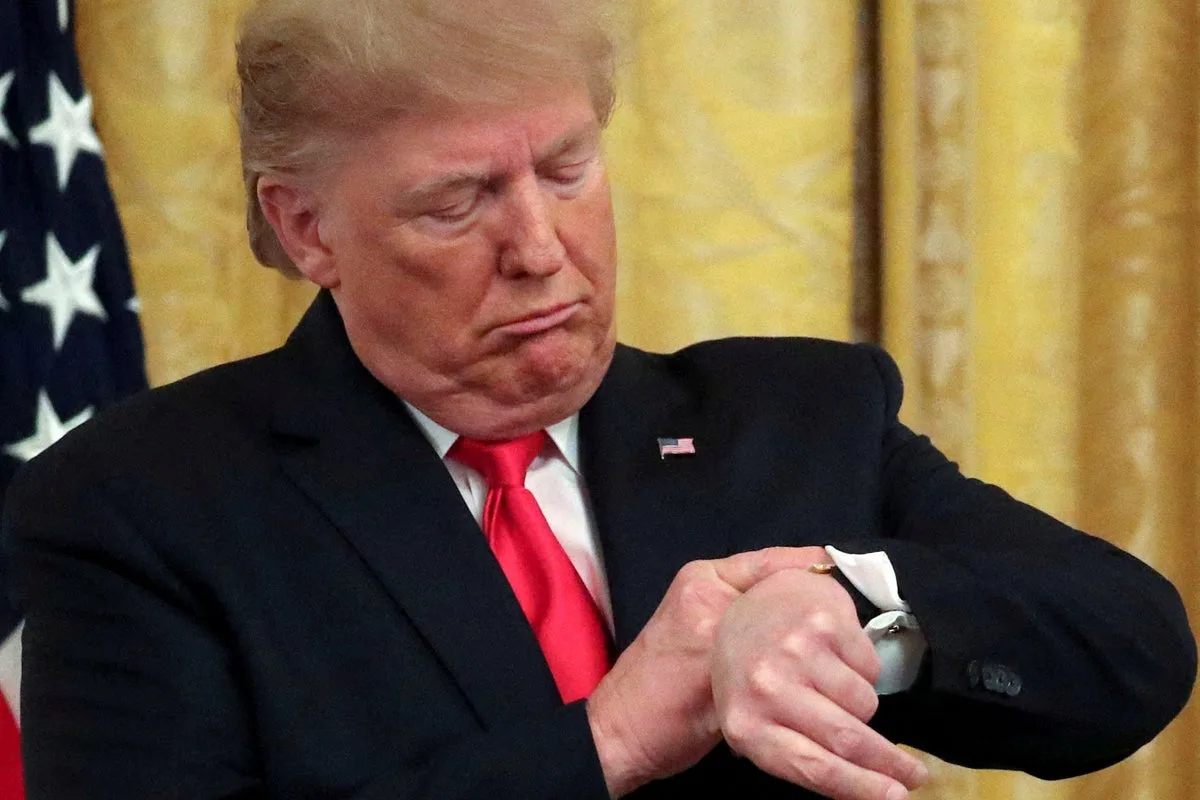
President Donald Trump has once again turned to his familiar “two weeks” timeline as a go-to solution in a moment of crisis. On Tuesday, just hours before a planned strike on Iran, Trump announced on Truth Social that he had agreed to a two-week ceasefire after conversations with Pakistani leaders. The deal came less than two hours before his deadline for Tehran to reopen the Strait of Hormuz or face severe consequences.
This is not the first time Trump has trumpeted “two to three weeks” as a timeline to end a crisis. During his first address to the nation on the Iran war earlier this month, he claimed the war was “nearing completion” but then threatened to strike Iran “extremely hard” over the next two to three weeks. Over his time as president, there have been multiple occasions when he has touted this as a deadline to end any conflict.
Last year, as tensions with Iran escalated, Trump said he would decide within two weeks whether to order US warplanes to strike Iranian nuclear facilities, depending on Tehran’s engagement in talks. In May, when pressed on whether Russian President Vladimir Putin was serious about ending the war in Ukraine, Trump said: “We’ll know in about two weeks.” The deadline passed without a breakthrough. In July, he shortened Russia’s deadline from 50 days to “about 10–12 days” to make progress on ending the Ukraine war or face tougher sanctions.
Throughout his campaign and presidency, Trump has repeatedly promised to end the war quickly – initially claiming he could do it in 24 hours, before shifting to longer timelines, including weeks. In January this year, he revived the “two weeks” timeline when asked about a proposed deal involving Greenland, promising a major announcement in that timeframe. On that occasion, a framework deal was announced within two days.




