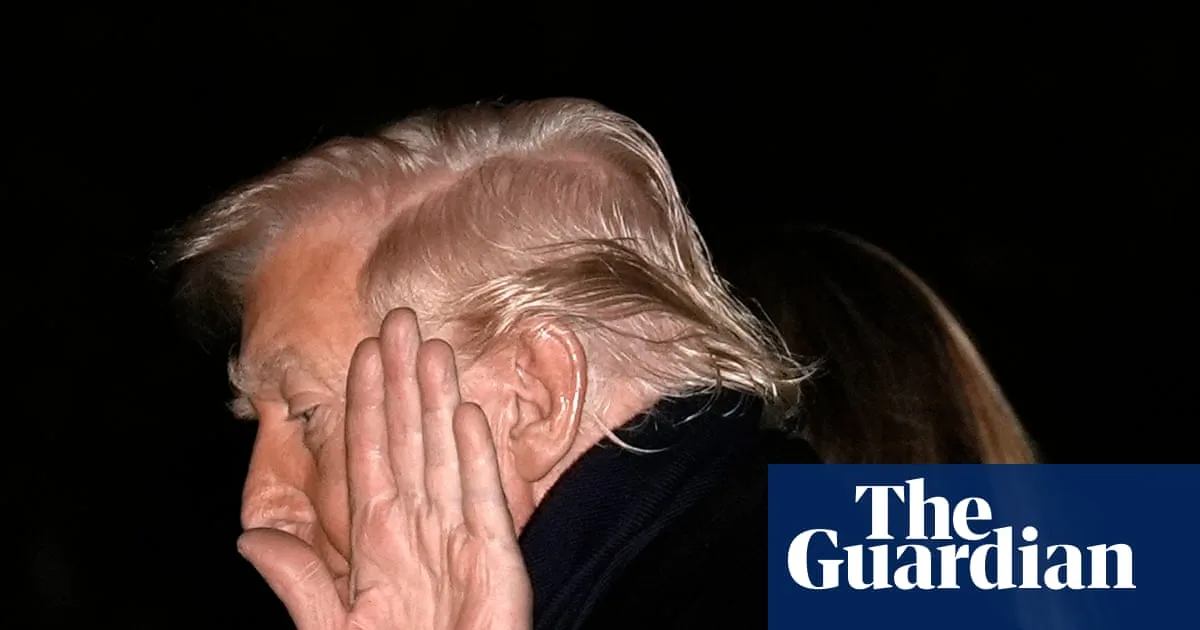
In a highly unusual diplomatic move, former US President Donald Trump reportedly issued a direct ultimatum to Venezuela's authoritarian leader, Nicolás Maduro, during a secret phone call, demanding his immediate resignation from power.
The Blunt Phone Call: 'You Must Leave Now'
Sources have revealed that the call, which is believed to have taken place on 21 November, saw Trump deliver a stark message to his South American counterpart. According to reports, Trump told Maduro he could "save yourself and those closest to you, but you must leave the country now." The offer was contingent on Maduro agreeing to resign right away, with the promise of safe passage for himself, his wife, and his son.
Trump publicly confirmed the call had occurred this past Sunday, offering a characteristically ambiguous assessment to reporters: "I wouldn't say it went well or badly, it was a phone call." Neither government has provided official details of the discussion's content.
Maduro's Counter-Demands and Stalled Diplomacy
However, President Maduro allegedly refused the demand to step down immediately. Instead, he is said to have presented a series of counter-demands, including a request for global immunity from prosecution for himself and his allies. He also reportedly sought to retain control of Venezuela's armed forces while ceding political power.
The conversation, reportedly brokered by the nations of Brazil, Qatar, and Turkey, has not been followed by further direct contact. The Miami Herald claimed that Maduro requested a second call last weekend after Trump declared Venezuela's airspace closed, but received no response from the US side.
Scepticism and the Broader Pressure Campaign
This secret diplomatic gambit forms part of a broader, four-month pressure campaign against Caracas, which has seen Trump order a massive naval deployment off Venezuela's northern coast. Despite the leaked ultimatum, many observers remain deeply sceptical that the US intends to back its threats with large-scale military action.
"Maduro and most of his cohorts view the US military threats as a bluff," a source with regular contact to top Venezuelan officials told the Wall Street Journal last month. Maduro has survived numerous crises since his controversial 2013 election, including Trump's earlier 'maximum pressure' campaign, mass protests, economic collapse, and an assassination attempt.
In a recent letter to OPEC published by Venezuelan state media, Maduro accused the US of seeking to "appropriate Venezuela's vast oil reserves" through military force. Meanwhile, Colombia's President, Gustavo Petro, has offered Cartagena as a neutral venue for talks between the regime and Venezuela's opposition in a bid for a peaceful solution.
The Wall Street Journal's editorial board has urged continued pressure, arguing that "deposing Maduro is in the US national interest" and warning that failure to act would damage US credibility. The standoff, marked by this extraordinary phone call, continues to define a volatile chapter in hemispheric relations.




