Trump's Iran Military Campaign Descends into Chaos and Global Repercussions
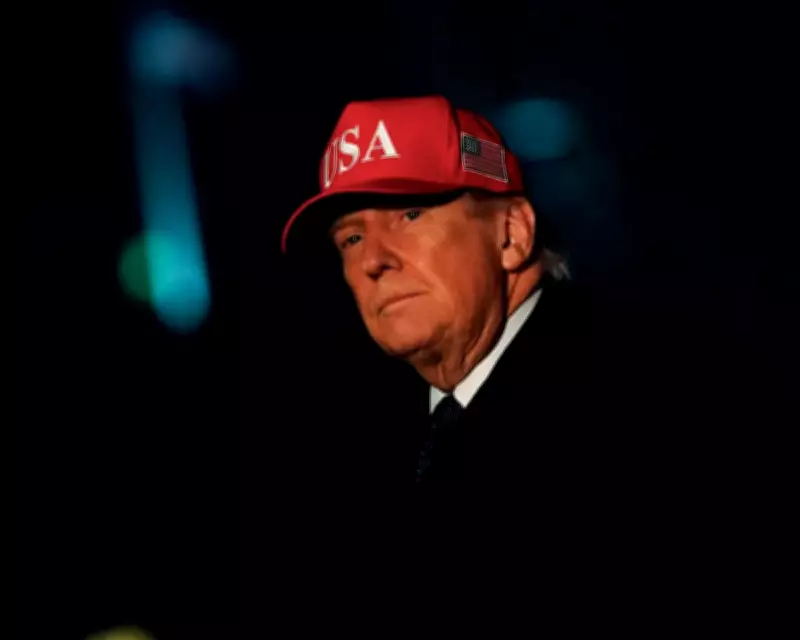
Donald Trump has returned to the White House following coordinated US and Israeli military strikes against Iran on 1 March 2026, but his administration's war strategy is rapidly unraveling into what analysts describe as a potentially humiliating failure for American global standing. The conflict, which Trump initiated without clear congressional authorization, has already triggered severe economic and security consequences worldwide.
Strategic Blunders and Escalating Violence
Trump's approach to the Iran conflict demonstrates what foreign policy experts characterize as a complete absence of coherent planning. The President appears to have no viable strategy for concluding hostilities, instead relying on continuous aerial bombardment that has only strengthened the resolve of Iran's Islamic regime. Iran has successfully closed and reportedly begun mining the strategic Strait of Hormuz, a critical global oil passageway that the Trump administration failed to adequately defend despite clear warning signs.
The economic fallout has been immediate and severe. Global oil and gas prices have skyrocketed, creating an international energy shock that threatens to fuel inflation, disrupt trade networks, and create shortages of essential goods including food and medicine. Developing nations are expected to bear the brunt of this economic turmoil, though few countries will escape the cascading effects of what some commentators have termed "the Trump plague" on global stability.
Israeli Actions and Regional Destabilization
Israeli Prime Minister Benjamin Netanyahu has exploited Trump's strategic confusion to launch disproportionate air attacks across multiple fronts. Israeli strikes have targeted Iranian civilian infrastructure including homes, utilities, banks, cultural heritage sites, and mosques—actions that analysts suggest are counterproductively rallying nationalist support for the Iranian regime rather than weakening it.
In Lebanon, Israeli operations have followed a similar pattern of civilian casualties, mass displacement, and widespread destruction under the pretext of combating Hezbollah. Critics argue this represents state-sponsored terror that mirrors unchecked Israeli settler expansion in the West Bank, advancing what some describe as a "greater Israel" project through systematic depopulation of contested territories.
The Mounting Costs of Conflict
The financial burden of Trump's Iran war has reached staggering proportions, with current estimates suggesting the conflict costs American taxpayers more than $11 billion weekly. As body bags return to the United States and domestic prices rise due to the global energy shock, midterm election voters appear increasingly unlikely to forgive what many perceive as reckless war-making without clear strategic objectives.
Trump's attempt to declare premature victory last week collapsed under the weight of market turmoil and continued Iranian resistance. Unlike George W. Bush's 2003 Iraq invasion, which at least followed a coherent (if flawed) strategic vision, Trump appears to have hoped for "swift, painless victory from the air" without committing ground forces—a miscalculation that has instead created conditions for another protracted "forever war."
Unresolved Nuclear Threats and Legal Violations
The central issue of Iran's nuclear program remains dangerously unresolved despite repeated strikes on nuclear facilities. Iran retains significant stockpiles of highly enriched uranium and scientific expertise that cannot be eliminated through bombardment alone. The assassination of former Supreme Leader Ali Khamenei, who had issued a fatwa against nuclear weapons development, has removed a critical barrier to Iranian nuclearization—potentially creating a direct consequence of Trump and Netanyahu's aggressive policies.
Legal experts highlight numerous violations of international law, including Trump's initiation of hostilities without congressional approval, disregard for Geneva Conventions, and potential war crimes such as the Tomahawk missile strike that killed over 100 schoolgirls in Minab on 28 February. Pentagon spokesperson Pete Hegseth's claims that US forces can operate with impunity have drawn particular condemnation from international legal authorities.
Global Isolation and Geopolitical Consequences
Traditional American allies including Britain have expressed dismay at Trump's refusal to consult partners and his apparent lack of strategic planning, exemplified by the Strait of Hormuz debacle. The President's cavalier approach—including claims he bombed Iran's Kharg Island oil terminal "just for fun"—has alienated potential coalition partners while simultaneously driving up global energy prices.
Meanwhile, geopolitical rivals Russia and China are capitalizing on American distraction and strategic blunders. Russia has secured temporary relief from oil sanctions originally imposed over Ukraine, while both nations profit from Trump's bellicose foreign policy and disdain for international consensus building.
Calls for Accountability and Restraint
As the conflict enters its most dangerous phase, international voices are increasingly calling for legal accountability. Proposals include war crimes prosecutions for US and Israeli leaders, congressional impeachment proceedings against Trump for abuse of power, and demands for American compensation to affected nations including Iran and Lebanon.
With nearly three years remaining in his term, foreign policy analysts warn that Trump represents a clear and present danger to both American interests and global stability unless decisive action is taken to restrain his unilateral war-making authority. The coming months will test whether American institutions and international pressure can contain a conflict that threatens to spiral far beyond its current boundaries.