Trump's Optimism on Ukraine Peace Talks as Russian Missiles Rain Down on Kyiv
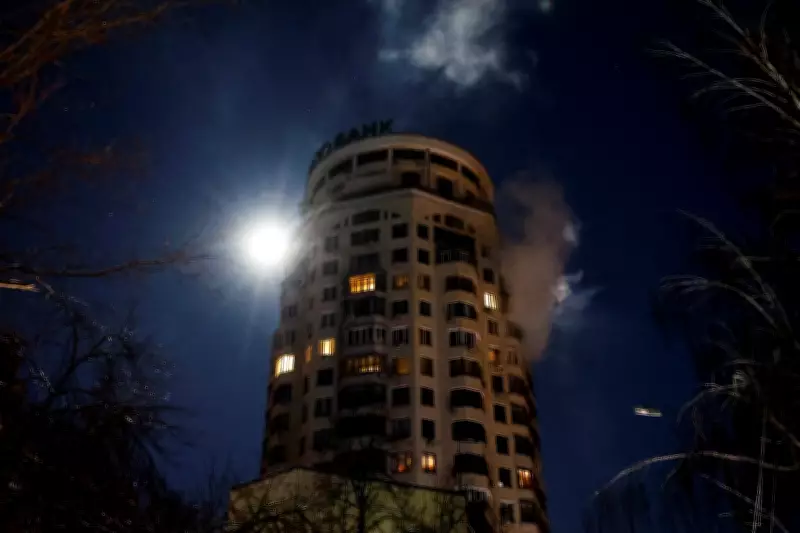
In a stark contrast to diplomatic efforts, Russian forces have resumed intense missile and drone attacks on Ukrainian cities, including the capital Kyiv, shattering a brief ceasefire requested by US President Donald Trump. The assaults targeted civilian infrastructure, with reports of a maternity hospital hit and a kindergarten set ablaze, injuring at least four people in Kyiv alone.
Diplomatic Moves Amid Escalating Violence
Speaking from the Oval Office, Donald Trump expressed cautious optimism, stating, "I think we’re doing very well with Ukraine and Russia. For the first time, I’m saying that. I think we’re going to, maybe, have some good news." This comes as Ukrainian President Volodymyr Zelensky confirmed that a delegation will travel to Abu Dhabi for trilateral peace talks with Russian and American representatives, postponed from Sunday to Wednesday and Thursday.
Widespread Attacks Across Ukraine
Air raid alerts sounded nationwide as explosions rocked multiple cities. Key incidents include:

- Kyiv: Major attack after over a week of relative calm, damaging apartment blocks and educational facilities.
- Kharkiv: Mayor Ihor Terekhov reported successive strikes by drones and missiles.
- Dnipro and Sumy: Public broadcaster Suspilne noted a series of explosions in these regions.
Russian Foreign Minister Sergei Lavrov escalated tensions by warning that any foreign military deployment in Ukraine would be treated as "legitimate targets" for Russian forces, directly addressing Western discussions on securing a potential peace deal.
Zelensky's Response and Broader Context
In response to the attacks, Zelensky ordered military leaders to counter Russian strikes on Ukraine's railway infrastructure, which have killed at least five people in Kharkiv. He emphasised, "The Russian army remains focused on terror against our logistics – primarily railway infrastructure." Meanwhile, Trump linked a new trade deal with India, involving reduced tariffs and Indian commitments to stop buying Russian oil, to helping end the war, claiming it would curb Moscow's resources.
International Diplomatic Fallout
The UK expelled a Russian diplomat in a reciprocal move after Moscow accused a British diplomat of espionage, with the Foreign Office denouncing the action as "baseless and unprovoked." This tit-for-tat expulsion underscores the ongoing diplomatic strains between Russia and Western nations since the invasion began.
As peace talks loom, the renewed violence highlights the fragile nature of negotiations, with civilian areas bearing the brunt of the conflict. The situation remains volatile, with further escalations possible depending on the outcomes in Abu Dhabi and continued military actions on the ground.