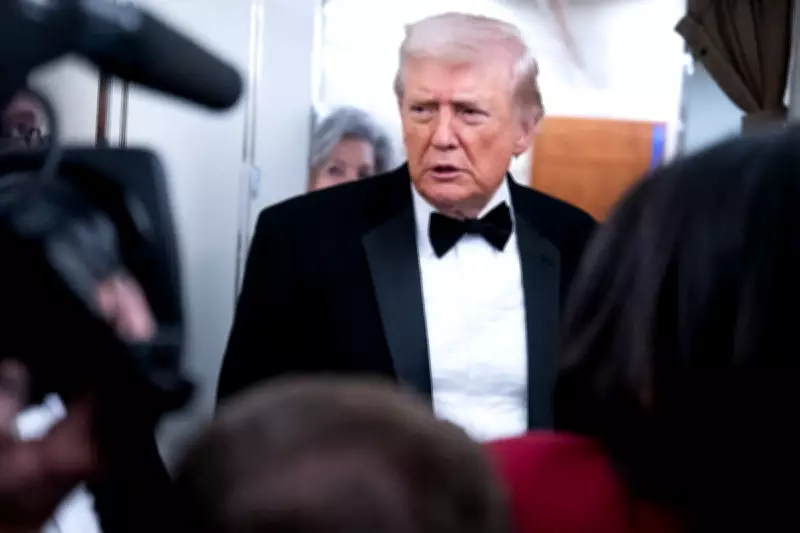
Diplomatic efforts between the United States and Iran are intensifying, with President Donald Trump confirming that negotiations over Tehran's nuclear programme are actively in progress. However, the US leader has coupled this with a stark warning, suggesting that "bad things" would likely occur should these high-stakes talks ultimately fail.
A Pivotal Meeting Amidst Rising Tensions
The anticipated discussions are set to take place on Friday in Istanbul, marking the first direct meeting between US and Iranian officials since a significant 12-day conflict involving Iran, Israel, and the US last June. That confrontation saw American forces target Iranian nuclear facilities, leaving a legacy of deep-seated mistrust.
US Special Envoy Steve Witkoff is scheduled to meet with Iran's Foreign Minister, Abbas Araghchi. Reports indicate that the two diplomats have already established a direct line of communication, exchanging text messages in the lead-up to the formal negotiations. The agenda is expected to focus squarely on the future of Iran's nuclear ambitions and the potential for a revived diplomatic agreement.

Trump's Ominous Warning and Military Posturing
Speaking from the Oval Office on Monday, President Trump framed the situation with characteristic bluntness. "We have ships heading to Iran right now, big ones – the biggest and the best – and we have talks going on with Iran and we’ll see how it all works out," he told reporters.
He presented a binary outcome for the diplomacy: "If we can work something out, that would be great. And if we can’t, probably bad things would happen." This statement underscores the precarious nature of the negotiations, set against a backdrop of a visible US naval buildup in the region. The military manoeuvres follow a violent crackdown on anti-government protests in Iran last month, which has further inflamed regional tensions.
Iran's Calculated Concessions and Internal Fears
In a significant development, Iranian officials have reportedly signalled a willingness to discuss suspending or shutting down parts of its nuclear programme as a major concession to de-escalate the crisis. According to sources, Iran might even agree to ship its enriched uranium to Russia, reviving a key element of the defunct 2015 nuclear deal.
However, Tehran's diplomatic overtures are shadowed by profound internal anxieties. High-level Iranian officials reportedly fear that a US military strike, however limited, could shatter the regime's grip on power. They warn that public anger following last month's deadly crackdown has reached a boiling point where "the wall of fear has collapsed." The concern is that foreign military action could embolden protesters, potentially triggering widespread unrest that threatens the very foundations of the political system.
The Human Cost and International Pressure
The domestic situation in Iran remains volatile. Reports continue to emerge of protesters being killed, detained, or threatened. In one case, a missing 34-year-old protester was found dead in a cemetery's cold storage with bullet wounds. Meanwhile, Britain has imposed new sanctions on Iranian officials and a state security body, citing their role in the violent suppression of peaceful demonstrations.
As the world watches, the upcoming talks in Istanbul represent a critical juncture. They offer a fragile pathway to de-escalation or, as President Trump warned, a prelude to a far more dangerous and unpredictable phase in US-Iran relations. The outcome will hinge on whether diplomatic channels can overcome deep-seated hostility and mutual suspicion.