
Republican hawks have issued a rare rebuke of Donald Trump over his planned peace deal with Iran, describing it as a 'disaster' and questioning why the US president launched the war in the first place. Allies of Trump who strongly backed his controversial decision to order war on Iran alongside Israel urged him to 'hold the line' this weekend, despite mounting economic costs and no sign of progress on many of the initial objectives set out by his administration.
With the Iranian government apparently in jubilant mood, members of Trump's own party responded furiously to reports that a proposed deal contained major concessions from Washington. Roger Wicker, who chairs the Senate armed services committee, said the 'rumored 60-day ceasefire' would be a 'disaster' in a post on social media. 'Everything accomplished by Operation Epic Fury would be for naught,' he added.
After suggesting on Saturday that a deal was within reach, Trump seemed to row back on Sunday morning, after the angry response from some corners of his party. Talks were progressing in an 'orderly and constructive' manner, the president insisted, adding: 'I have informed my representatives not to rush into a deal in that time is on our side.' Stressing that a 'good and proper' deal was on the way, he later claimed 'nobody has seen it' in an effort to quell criticism.
Trump had claimed on Saturday that a memorandum of understanding to end the war had been 'largely negotiated' and was waiting to be finalised. The US president said on his Truth Social platform that the agreement would include opening of the Strait of Hormuz, a crucial chokepoint for global trade, which Iran has effectively shut since the US and Israel started the war in February. But the US president did not mention Iran's nuclear program and highly enriched uranium, despite repeatedly insisting that Tehran renounce any nuclear ambitions was a 'red line' in negotiations.
The peace draft includes a 60-day ceasefire extension, during which the Strait of Hormuz would be reopened, according to Axios. Iran would agree to clear mines it deployed in the strait and allow ships to pass freely, and in exchange, the US would lift its naval blockade on Iranian ports. During that time Iran would also be able to freely sell oil and negotiations would be held on the nuclear issue. The apparent concessions from Washington have triggered alarm among several Republican foreign policy hawks.
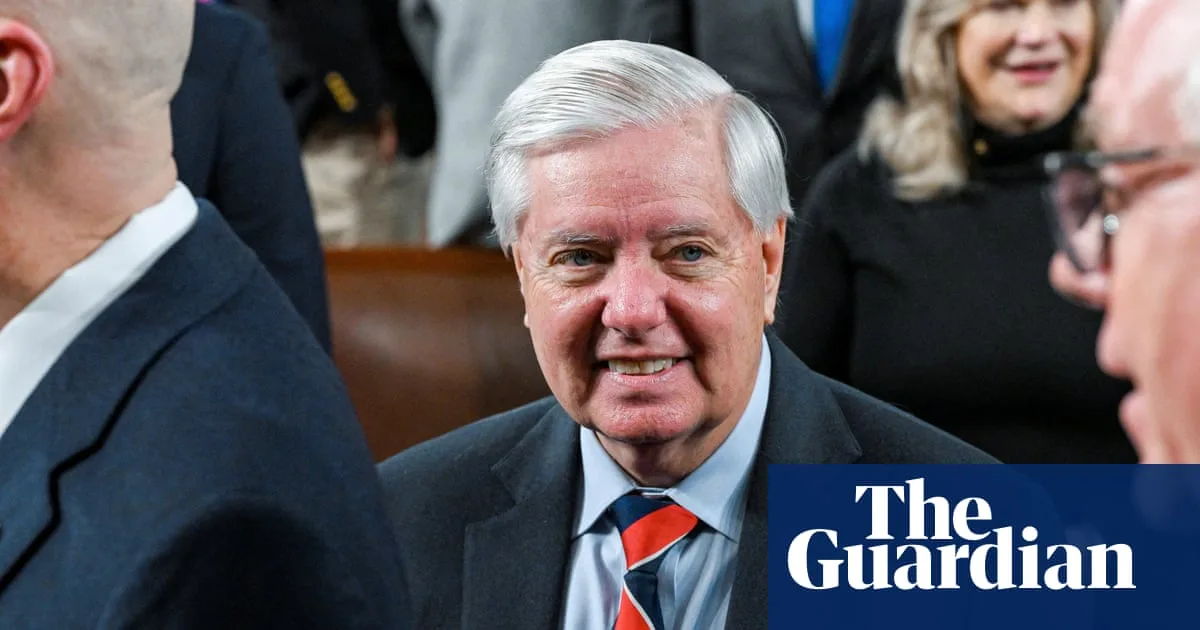
Senator Lindsey Graham, a close ally of Trump, warned that if a deal is struck without addressing Iran's ability to 'terrorise' the strait, it would be a 'nightmare for Israel'. Texas senator Ted Cruz said he was 'deeply concerned' by reports about the emerging agreement, calling it a 'disastrous mistake' if it allows Iran to enrich uranium and develop nuclear weapons. Cruz urged Trump to 'continue to hold the line, defend America & enforce the red lines he has repeatedly drawn'.




