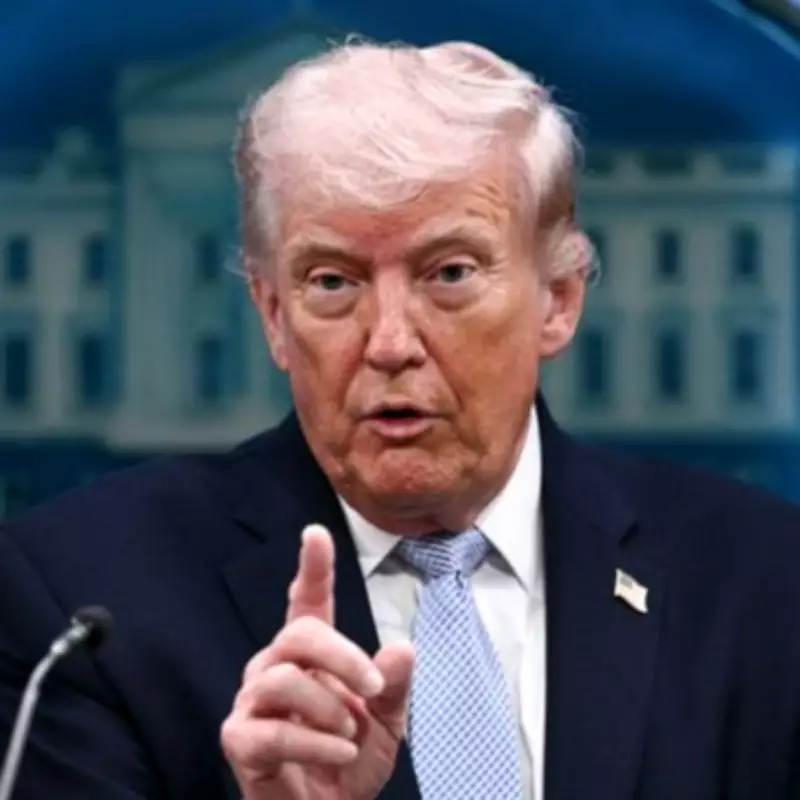
Trump's 'Destruction' Threat Against Iran as Ceasefire Crumbles
In a dramatic escalation of tensions, US President Donald Trump has promised the 'destruction' of Iran, mere hours after a ceasefire deal was announced, highlighting a rapid breakdown in diplomatic efforts. The threat was issued via a post on Trump's Truth Social platform late on Wednesday, April 8, 2026, casting doubt on the stability of the agreement and raising concerns about renewed conflict in the region.
Ceasefire Collapse and Military Posturing
The ceasefire, which had been heralded as a potential breakthrough in US-Iran relations, lasted less than 24 hours before Trump's inflammatory remarks. In his post, Trump declared that US military assets, including ships, aircraft, and personnel, would remain deployed in and around Iran. He emphasized that additional ammunition and weaponry would be maintained 'until such time as the REAL AGREEMENT reached is fully complied with,' suggesting a hardline stance on enforcement.
This move signals a significant shift from the brief period of calm, with analysts warning that it could provoke retaliatory actions from Iran and destabilize the broader Middle East. The post's timing, coming so swiftly after the ceasefire announcement, has been described by observers as 'unhinged' and indicative of a volatile approach to foreign policy.

Implications for Global Diplomacy
The collapse of the ceasefire and Trump's threats have sent shockwaves through international diplomatic circles. Key allies and adversaries alike are now reassessing their positions, with many expressing alarm over the potential for military escalation. The situation underscores the fragile nature of peace agreements in the region and the challenges of maintaining dialogue amid heightened rhetoric.
As tensions mount, the world watches closely to see how Iran will respond to Trump's provocations and whether further diplomatic efforts can salvage the situation. The incident serves as a stark reminder of the unpredictable dynamics in global politics and the critical need for sustained, peaceful negotiations.