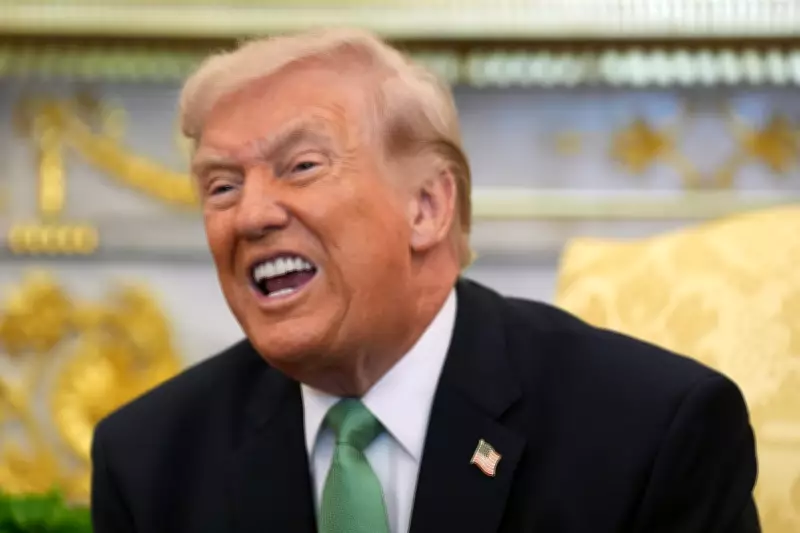
Former US President Donald Trump has declared that the ongoing conflict with Iran is "very close to over," stating that Iran "very badly" desires a deal to end hostilities. However, these assertions appear to contradict recent reports indicating the United States is preparing to deploy thousands of additional troops to the Middle East in the coming days.
Troop Deployment Contradicts Trump's Optimism
The potential troop deployment, intended to apply pressure on Iran, has not been publicly confirmed by US officials, but sources suggest it is under serious consideration. This move signals a significant escalation in military presence, casting doubt on Trump's claims of an imminent resolution. Trump himself acknowledged the precarious nature of the situation, predicting "amazing two days ahead" while admitting it "could end either way."
Iran's Strategic Response to US Blockade
In response to the heightened tensions, Iran is reportedly planning to use alternative ports to bypass the US blockade on the Strait of Hormuz. This critical waterway is a major chokepoint for global oil shipments, and the US military has asserted that their control provides them with "maritime superiority" in the region. Iran's strategy aims to mitigate the impact of the blockade and maintain its economic and military operations.

Analysis of Conflicting Signals
The disparity between Trump's optimistic rhetoric and the planned troop buildup highlights the complex and volatile dynamics of the Iran-US conflict. While Trump emphasizes diplomatic progress, the military preparations suggest a readiness for prolonged engagement. Experts note that such mixed messages could complicate negotiations and increase the risk of miscalculation.
As the situation unfolds, the international community watches closely, with concerns over potential spillover effects in the Middle East. The coming days will be crucial in determining whether Trump's prediction of an end to the war materializes or if the troop deployment leads to further escalation.