Trump Demands NATO Warships for Strait of Hormuz as Middle East Ceasefire Unravels
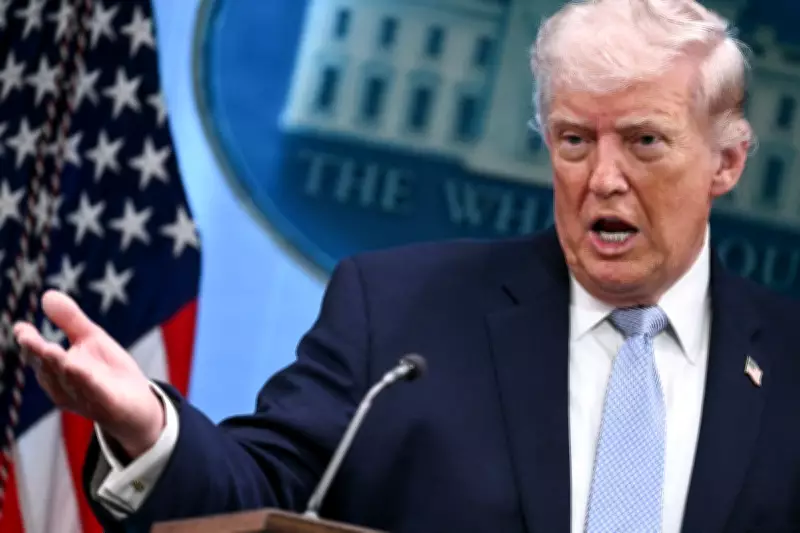
President Donald Trump has reportedly issued an ultimatum to NATO allies, demanding they send warships to secure the Strait of Hormuz within days. This comes as his ceasefire agreement with Iran teeters on the brink of collapse, threatened by escalating Israeli military actions in Lebanon.
NATO Faces Ultimatum Over Hormuz Security
According to reports from Der Spiegel, NATO Secretary General Mark Rutte informed European leaders that Trump expects concrete military commitments from partners, framing the demand as an ultimatum. The move coincides with Trump allegedly compiling a list of nations supporting or opposing his Middle East policies, with potential withdrawals of US forces from resistant countries.
Trump amplified tensions earlier with a social media outburst, stating: "NATO WASN'T THERE WHEN WE NEEDED THEM, AND THEY WON'T BE THERE IF WE NEED THEM AGAIN. REMEMBER GREENLAND, THAT BIG, POORLY RUN, PIECE OF ICE!!!" His administration emphasized that American troops would remain in the region until full compliance with agreements, warning of "bigger, and better, and stronger" attacks if breached.

Iran Ceasefire Hangs by a Thread
Trump's fragile ceasefire with Iran faces imminent collapse as Tehran threatens to withdraw from peace talks if Israel continues attacks against Hezbollah in Lebanon. Iran accuses the US and Israel of violating the ceasefire, a claim both deny. Israeli Prime Minister Benjamin Netanyahu defended the operations, stating: "Whoever acts against Israeli civilians will be struck. We will continue to strike Hezbollah wherever required, until we restore full security to the residents of the north."
However, Netanyahu later shifted tone, instructing his cabinet to initiate direct negotiations with Lebanon promptly. The conflict has resulted in over 1,700 deaths in Lebanon in six weeks, including 250 in major strikes on Wednesday, displacing 20% of the population.
International Reactions and Diplomatic Efforts
Iran's Deputy Prime Minister Dr. Saeed Khatibzadeh condemned Israel's actions as a "grave violation" of the agreement, warning that "the coming hours are very critical." The Islamic Revolutionary Guard Corps hinted at resuming hostilities if attacks persist, with state media quoting an official: "Any attack on the proud Hezbollah is an attack on Iran." Iranian President Masoud Pezeshkian affirmed: "Iran will not abandon the Lebanese people."
Sensitivities heightened as Iranians mourned the 40-day anniversary of Supreme Leader Ayatollah Ali Khamenei's death in US-Israeli attacks. Dr. Khatibzadeh noted Pakistan intervened to prevent escalation after Iran nearly responded to ceasefire violations.
Economic and Security Implications
Oil prices surged amid the uncertainty, reversing earlier drops post-ceasefire. Ship tracking sources like Lloyd's List Intelligence and Kpler reported stalled movement through the Strait of Hormuz, with Iran warning of anti-ship mines in main transit routes due to a "state of war." The Navy advised vessels to maintain contact with security forces to avoid naval mine collisions.
Peace Talks and Global Condemnation
Peace talks are scheduled at Islamabad's Serena Hotel on Saturday, with US Vice President JD Vance and Iranian Parliamentary Speaker Mohammad Bagher Ghalibaf leading delegations. However, Tehran threatens to withdraw, citing Israeli violations. International outrage has mounted, with British Foreign Secretary Yvette Cooper condemning the escalation as "deeply damaging" and urging Lebanon's inclusion in the agreement.
EU diplomat Kaja Kallas criticized civilian deaths in Lebanon, questioning if actions fall within self-defence, while France's President Emmanuel Macron and Foreign Minister Jean-Noel Barrot demanded the ceasefire cover Lebanon. Barrot called for Iran to renounce nuclear weapons, cease missile threats, and stop supporting groups like Hezbollah. German Chancellor Friedrich Merz emphasized avoiding NATO fragmentation, encouraging Trump to pursue urgent negotiations.

Netanyahu faces domestic backlash, with opposition leaders labeling his actions a historical "disaster." As tensions escalate, the region braces for potential fallout from Trump's ultimatum and the crumbling ceasefire.