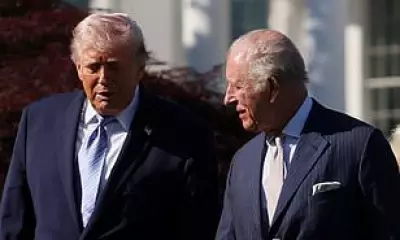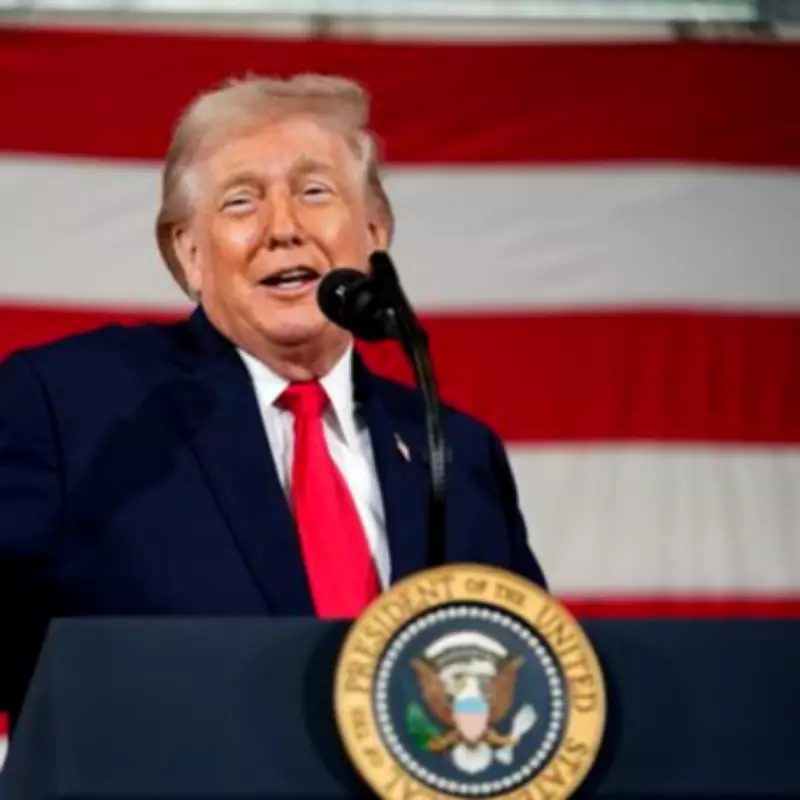
In a dramatic and unpredictable shift, former US President Donald Trump has once again reversed his position on the Chagos Islands deal, launching a fresh critique of Prime Minister Keir Starmer's agreement with Mauritius. This marks yet another baffling U-turn from the controversial figure, who had previously expressed support for the diplomatic arrangement.
Trump's Latest Social Media Rant Targets Starmer
Taking to his Truth Social platform, Trump unleashed a rant in which he lambasted the British leader's approach to the Chagos issue. He specifically targeted the proposed 100-year lease agreement, which involves the strategically vital island of Diego Garcia in the Indian Ocean.
"I have been telling Prime Minister Keir Starmer, of the United Kingdom, that leases are no good when it comes to countries," Trump wrote, adding emphatically, "and that he is making a big mistake by entering a 100 year lease with whoever it is that is 'claiming' right, title and interest to Diego Garcia."

A History of Inconsistent Stances
This latest outburst represents a complete reversal from Trump's earlier stance, where he had publicly backed Starmer's deal with Mauritius. The sudden criticism has left observers and diplomats perplexed, highlighting the former president's notorious unpredictability in foreign policy matters.
The Chagos Islands have long been a point of contention between the UK and Mauritius, with sovereignty claims dating back decades. Diego Garcia's strategic military importance, particularly for US operations in the region, adds significant complexity to the negotiations.
Political Implications and Reactions
Trump's intervention comes at a sensitive time in UK-Mauritius relations, potentially undermining diplomatic efforts that had previously gained his endorsement. The about-face raises questions about the consistency of US foreign policy positions and their impact on international agreements.
Political analysts note that such public criticism from a former US president could complicate Starmer's negotiating position, even as the current US administration maintains its own separate stance on the matter. The episode underscores how individual political figures can influence delicate international discussions through social media platforms.
As the situation develops, all eyes remain on how the UK government will respond to this unexpected critique and whether it will affect the ongoing negotiations surrounding the Chagos Islands' future status.