Trump Pressures Allies Over Strait of Hormuz Standoff with Iran
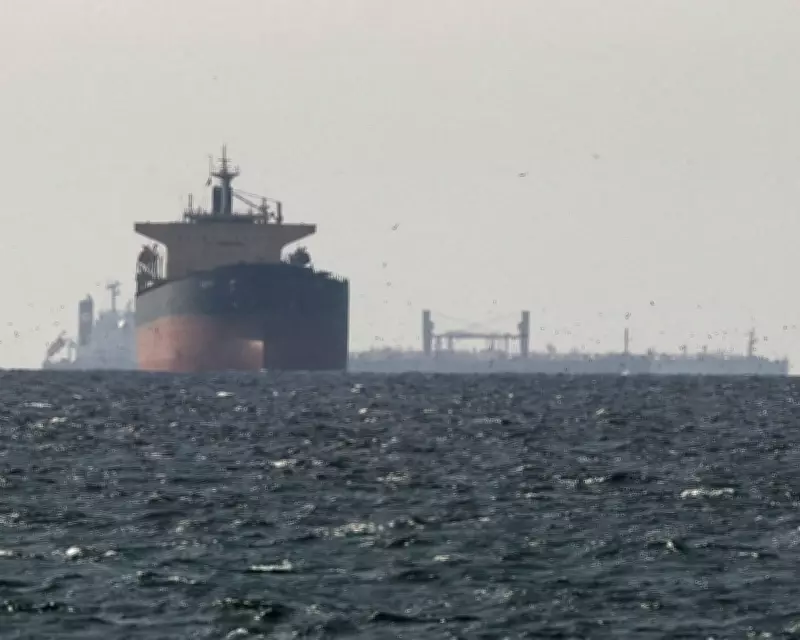
In a tense escalation of the ongoing conflict with Iran, US President Donald Trump has issued stark warnings to NATO allies, demanding they deploy warships to help police the Strait of Hormuz. This vital waterway, which typically handles a fifth of the world's oil and liquefied natural gas shipments, has been effectively closed by Iran in response to US-Israeli military actions.
European Allies Reject Military Involvement
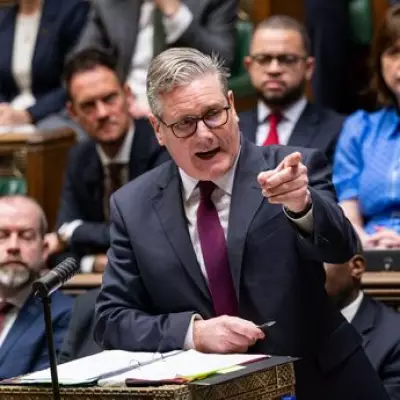
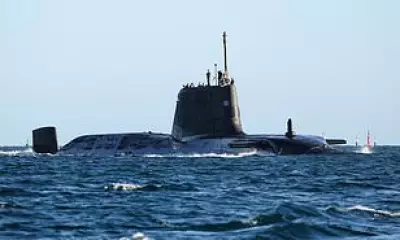
Key US allies, including the UK, Germany, France, Italy, Australia, and Japan, have firmly ruled out sending naval forces to the strait. Despite Trump's assertion that NATO faces "a very bad future" without their support, these nations have emphasised diplomatic solutions over military intervention. European ministers, such as Estonia's Margus Tsahkna, have called for clarity on Trump's strategic goals, questioning the long-term plan for the region.
Contradictory Statements from the President
Trump's stance has been marked by contradictions. While pleading for allied assistance, he also suggested that US efforts in the Strait of Hormuz might be unnecessary, stating, "maybe we shouldn't even be there at all" due to America's domestic oil reserves. This comment, made aboard Air Force One, sparked backlash and confusion among observers and allies alike.

Broader Implications and Reactions
The conflict has led to significant disruptions in global oil supplies, described as the largest in history. US citizens in the Middle East have expressed anger over what they perceive as a lack of evacuation plans from the Trump administration. Meanwhile, Secretary of State Marco Rubio is expected to announce which countries are willing to aid the US, though European nations remain hesitant, prioritising diplomatic channels to reopen the strait.
In related developments, Trump has faced legal and political challenges, including a Supreme Court ruling on tariffs and controversies over vaccine recommendations. The situation continues to evolve, with China maintaining communication about a potential Trump visit despite tensions over the Hormuz crisis.