Trump's Iran Conflict Betrays 'No New Wars' Pledge, Alienating MAGA Base
Donald Trump campaigned vigorously on a platform of ending America's involvement in foreign wars, a promise that resonated deeply with his MAGA supporters and helped propel him back to the White House. However, his recent military strikes against Iran have plunged the nation into a new conflict, leading even his most loyal allies to accuse him of betraying the very pledge that returned him to power.
The Foundation of Trump's Appeal
In 2016, Trump broke sharply with Republican orthodoxy by declaring that "regime change is a proven, absolute failure" and vowing to stop the rush to topple foreign governments. This stance was a direct rebuke to the architects of the Iraq and Libya interventions and appealed to voters exhausted by two decades of bloodshed in the Middle East. For millions of MAGA voters, this promise was not just a campaign talking point; it was a foundational principle that distinguished Trump from the Washington elite.
Key Allies Turn Against the President
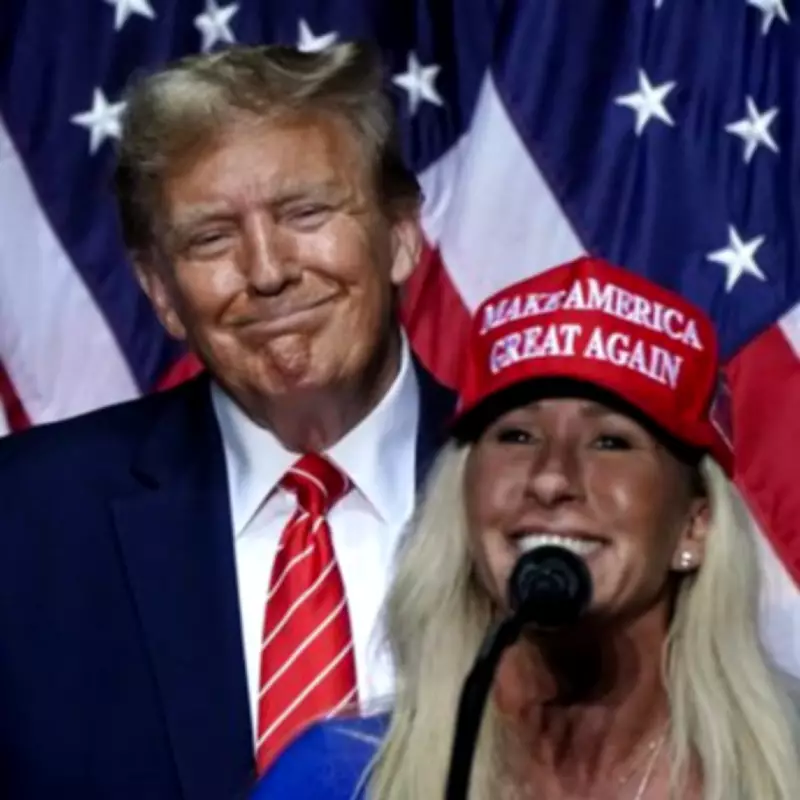
The backlash has been swift and significant. Former congresswoman Marjorie Taylor Greene, once one of Trump's fiercest defenders, has publicly criticized his actions. "Thousands and thousands of Americans from my generation have been killed and injured in never-ending, pointless foreign wars, and we said no more," she wrote. "But we are freeing the Iranian people. Please. There are 93 million people in Iran; let them liberate themselves."

Similarly, talk show host Tucker Carlson, who campaigned for Trump and spoke at the 2024 Republican National Convention, has broken with the president over the Iran attack. Carlson, closely aligned with Vice President JD Vance, reportedly met with Trump last week to urge against striking Iran. His public dissent signals a deeper rift within the MAGA movement, highlighting the betrayal felt by those who championed Trump's supposed restraint abroad.
Trump's Own Words Come Back to Haunt Him
Critics have resurfaced Trump's past statements, which now seem to indict his current actions. In 2011, he declared, "Our president will start a war with Iran because he has absolutely no ability to negotiate." Later, in 2013, he posted on social media, "Remember what I previously said, Obama will someday attack Iran in order to show how tough he is." These posts, once aimed at Barack Obama, now read as a stark contradiction to Trump's own presidency.
Ironically, Obama, despite controversy over his nuclear deal, never attacked Iran. Trump, after tearing up that agreement and failing to negotiate a replacement, has launched repeated strikes. The accusation he once leveled at Obama—that war would mask diplomatic failure—now hangs over his own administration.
The Political Gamble and Its Consequences
Trump's political genius lay in recognizing that Republican voters were weary of endless war. His current gamble is that they will accept another conflict, but as American casualties mount and the rhetoric of "no new wars" clashes with the reality of fresh graves, questions are growing louder within the MAGA base. Many are now asking whether the promise was ever genuine or merely another lie to secure their votes.
The fallout extends beyond political rhetoric. With a fourth American soldier reported dead and the Pentagon questioning whether Iran posed an imminent threat, the credibility of Trump's foreign policy is under intense scrutiny. This conflict not only risks alienating core supporters but also challenges the very identity of a movement built on anti-interventionist sentiments.