Trump Launches Scathing Attack on NATO Allies Over Alleged Betrayal
Former President Donald Trump has launched a furious verbal assault on America's NATO allies, accusing them of 'turning their backs' on the United States during a period of heightened international tension. The outburst comes as the White House simultaneously denied reports that the strategic Strait of Hormuz has been closed, despite indications that a proposed ceasefire with Iran has collapsed before implementation.
White House Press Secretary Delivers Trump's Blunt Message
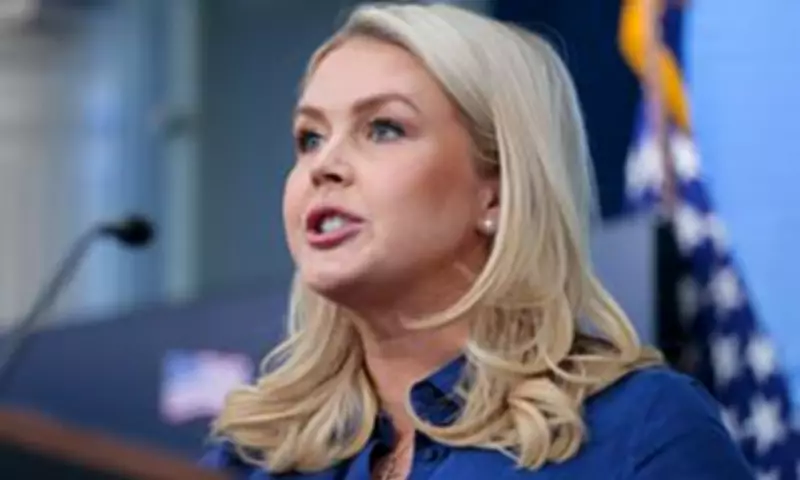
During a press briefing on Wednesday, White House Press Secretary Karoline Leavitt conveyed Trump's direct and uncompromising assessment of NATO's recent actions. 'I have a direct quote from the President of the United States on NATO, and I will share it with all of you: 'They were tested and they failed,'' Leavitt stated emphatically to assembled reporters.
She elaborated further, adding a layer of criticism regarding financial contributions: 'And I would add, it's quite sad that NATO turned their backs on the American people over the course of the last six weeks, when it's the American people who have been funding their defense.' This remark underscores ongoing tensions about burden-sharing within the alliance, a recurring theme during Trump's political career.

Contradiction on Strait of Hormuz Closure Amid Regional Unrest
In a related development, Press Secretary Leavitt firmly rejected claims from Iran that it had shut down the vital Strait of Hormuz, a crucial maritime passage for global oil shipments. The Iranian assertion followed Israeli military strikes on proxy terror groups linked to Iran in southern Lebanon, as evidenced by smoke rising from areas like Bint Jbeil.
'We have seen an uptick of traffic in the strait today,' Leavitt asserted, highlighting a discrepancy between Tehran's public statements and its private actions. She pointedly noted that there was a significant difference between what the Iranian regime communicates openly and what occurs behind the scenes, suggesting ongoing diplomatic or strategic maneuvers.
This denial comes amid reports that a ceasefire initiative with Iran, reportedly championed by the Trump administration, has crumbled before it could even begin. The situation reflects the fragile and volatile state of relations in the Middle East, with implications for global energy markets and international security.
Broader Implications for International Diplomacy and Security
The dual controversies—Trump's NATO criticism and the Strait of Hormuz dispute—highlight significant challenges in U.S. foreign policy. The attack on NATO allies risks straining transatlantic relationships at a time when collective defense mechanisms are increasingly vital. Simultaneously, the situation in the Strait of Hormuz underscores the persistent threat of regional conflict disrupting global trade routes.
As these events unfold, the White House continues to navigate complex diplomatic waters, balancing assertive rhetoric with practical security concerns. The ongoing tensions serve as a reminder of the interconnected nature of international alliances and geopolitical flashpoints.