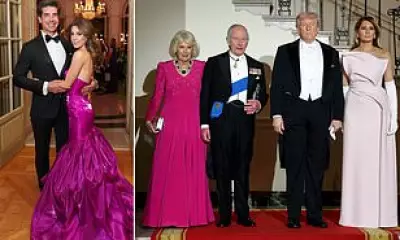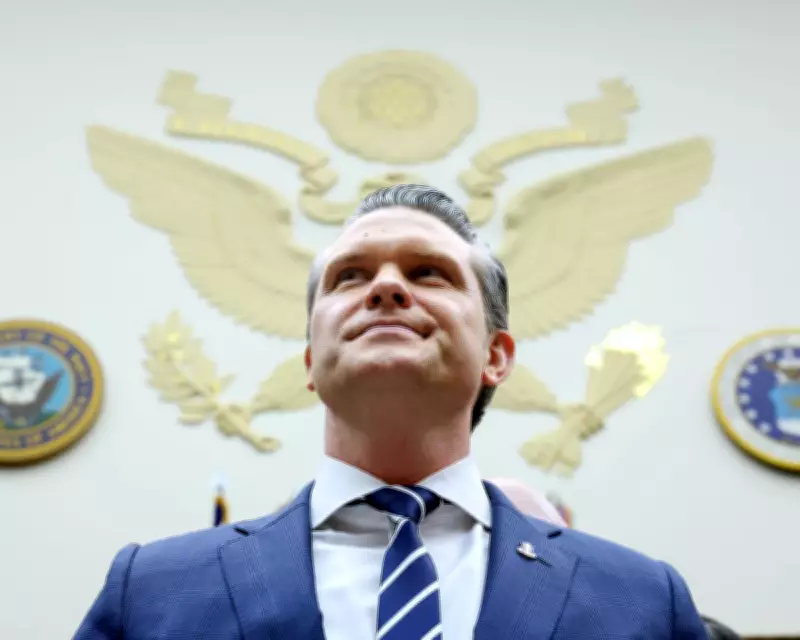
Fears of a potential military confrontation with Iran have intensified following high-level discussions between former US President Donald Trump and Defense Secretary Pete Hegseth. The talks, which centered on Iran's oil exports and regional influence, have sparked concerns among allies and adversaries alike.
Trump and Hegseth's Strategic Dialogue
According to sources familiar with the matter, Trump and Hegseth explored options to curb Iran's oil revenues, a key source of funding for its military programs. The discussions reportedly included potential naval blockades and increased sanctions, though no formal decisions have been announced. Critics warn that such measures could provoke a direct conflict, destabilizing the Middle East further.
International Reactions
King Charles III has weighed in, urging restraint and dialogue. In a statement from Buckingham Palace, the monarch emphasized the importance of diplomatic solutions to avoid catastrophic consequences. Meanwhile, European leaders have expressed alarm, calling for de-escalation and renewed negotiations.

The developments come amid heightened rhetoric from Tehran, which has threatened to close the Strait of Hormuz if its oil exports are blocked. Global oil markets have already reacted, with prices surging on supply disruption fears.
Analysis: Path to War or Negotiation?
Analysts remain divided on the likelihood of military action. Some argue that Trump and Hegseth's hawkish stance signals a shift towards confrontation, while others believe it is a negotiating tactic to pressure Iran into concessions. The situation remains fluid, with diplomatic channels still open but strained.
As the world watches, the stakes could not be higher. A war with Iran would have far-reaching implications for global security, the economy, and the lives of millions in the region.