Top Model Winner Exposes Show's Psychological Pressure and Lack of Aftercare
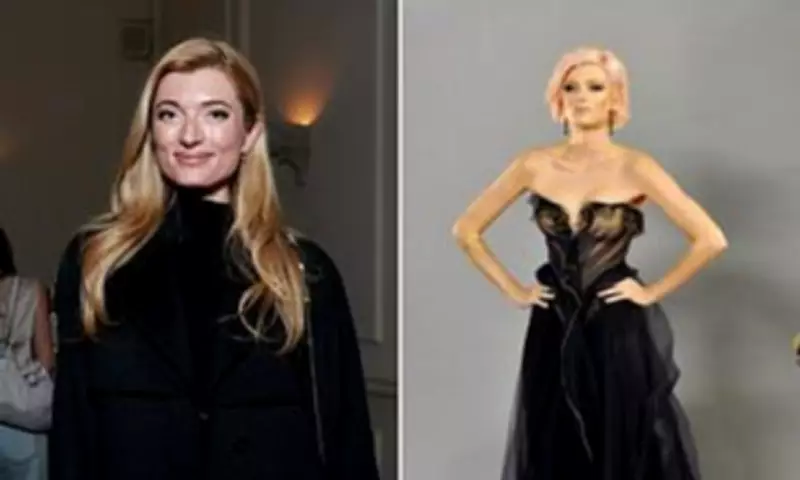
Sophie Sumner, the British model who triumphed on America's Next Top Model, has launched a scathing critique of the reality television series, accusing producers of providing "zero aftercare" and deliberately manipulating contestants to boost ratings. Her revelations come amid renewed scrutiny of the show's controversial practices, highlighted by Netflix's recent documentary series Reality Check: Inside America's Next Top Model.
From Runner-Up to Winner: A Reality TV Journey
Sumner first entered the spotlight at just 18 years old as a runner-up on Britain's Next Top Model. Her performance caught the attention of American producers, who invited her to compete on cycle 18 of the US version in 2012, which she ultimately won. Despite her success, Sumner now reflects on the darker aspects of her experience, sharing her story through TikTok videos and interviews.
Psychological Pressure and Production Tactics
While expressing gratitude for the opportunities the show provided, Sumner detailed the "intense psychological pressure" contestants endured. She described how producers would intentionally "push contestants' buttons" to create dramatic television moments, prioritising ratings over participant wellbeing.

The psychological manipulation began immediately, with contestants flown to Los Angeles and isolated in a hotel for days before filming. "We were locked in a hotel for a week," Sumner recalled. "They didn't tell us how long, we didn't know what we were doing, we didn't know if we were even on the show."
This isolation, combined with strict rules against communication with the outside world or even fellow contestants, created what Sumner described as a mentally taxing environment where participants would "start to slowly go mental."
Tyra Banks and the Ratings Obsession
Sumner specifically criticised host Tyra Banks and show executives for taking production tactics "to the extreme" in their pursuit of ratings. While acknowledging Banks' initial intentions to champion diversity in modelling, Sumner believes the supermodel became "lost" in the relentless drive for viewership and advertising revenue.
"I just think it got completely lost in kind of power and ratings and money and advertising," Sumner explained. "By my season 18 they were just doing absolutely insane things just to get the ratings because they realized it was dwindling."
She expressed disappointment that Banks didn't use her influence to create positive change in the industry, particularly during the #MeToo movement. "I think Tyra and the crew could have been part of a change, but they weren't," Sumner stated. "They just accelerated a lot of negativity and toxicity of the industry to get views."
The Aftercare Void and Post-Show Struggles
Perhaps most damning is Sumner's account of the complete absence of psychological support following her victory. After weeks of constant filming, appearance scrutiny, and competitive pressure, she found herself abruptly alone without any transition support.
"I was such a mess because I was like 'What just happened for the past two months of my life?'" Sumner described. "I haven't even been able to go to the toilet alone and now I'm just like it's finished and I'm just alone and no one's talking."
Within eight hours of winning, she was on a plane home with "zero aftercare" provided. As a 21-year-old navigating the aftermath of an intense experience focused entirely on appearance and competition, Sumner struggled with depression and adjustment difficulties for an extended period.
Contrasting British and American Productions
Having experienced both versions of the franchise, Sumner highlighted stark differences in production approaches and participant care. She described Britain's Next Top Model as "a lot lighter" and more concerned with contestant welfare, while characterising the American version as "on steroids" in terms of psychological intensity.
The welfare support disparity was particularly striking: Britain's production featured six staff members rotating to care for contestants, while America's version allocated just one overwhelmed staff member to manage all participants.

"The maddest thing that I still can't get my head around is that it's the same amount of people roughly right in Britain's Next Top Model," Sumner noted, "and we always had two people looking after us... On America's Next Top Model we had one."
Additional differences included:
- British contestants could interact with crew and judges off-camera, while American participants were forbidden from such communication
- British productions would put cameras down between filming, while American cameras "were always rolling"
- British shows felt more collaborative, while American versions maintained constant high-stakes pressure
Industry Realities and Unfulfilled Promises
Sumner acknowledged that some aspects of the show reflected genuine modelling industry practices, such as hair dyeing and dental modifications. However, she argued that America's Next Top Model took these practices "to the extreme" without adequate safeguards.
She also cautioned against unrealistic expectations, drawing from her own experience after Britain's Next Top Model. Despite her runner-up status, she found no modelling agencies willing to sign her and ended up working as a cocktail waitress in London.
"I feel like a lot of girls were sold the dream that America's Next Top Model would make you whatever the definition of success was," Sumner observed. "But I kind of knew that it didn't."
Her candid revelations provide unprecedented insight into the psychological toll of reality television production, raising important questions about duty of care in competitive entertainment formats.