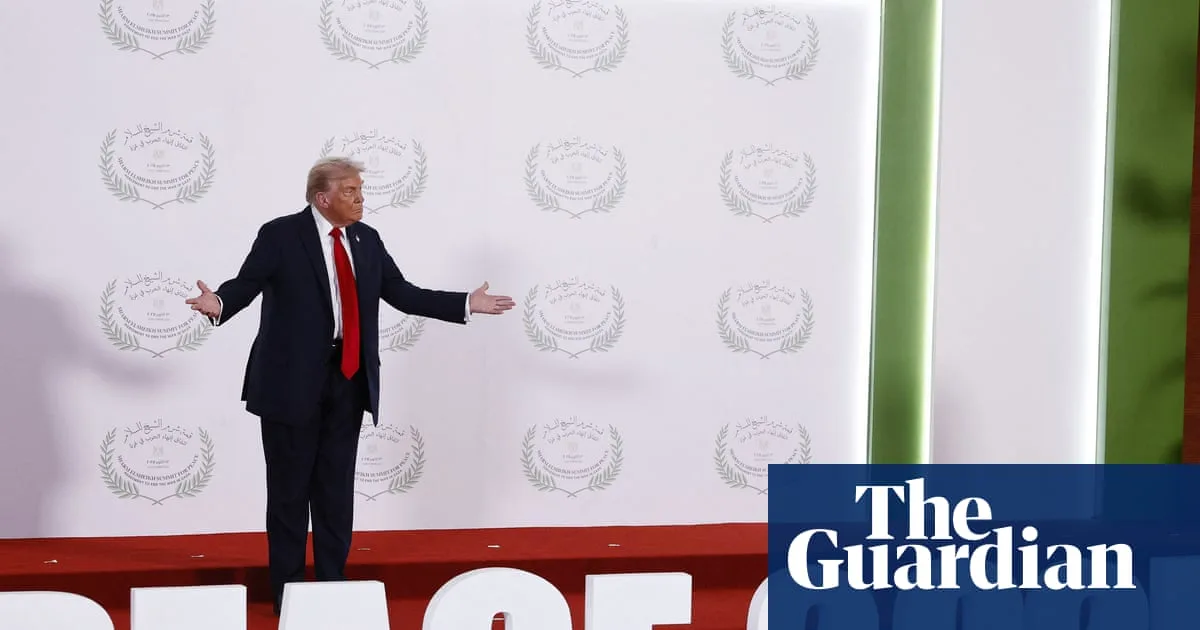
Trump's Deal-Making Diplomacy: A Blueprint for Peace or a Path to Profit?
The Logic Behind Trump's Unorthodox Deal-Making Diplomacy

As the world anticipates a potential second term for Donald Trump, his distinctive and often controversial approach to international relations is coming under renewed scrutiny. An analysis of his past actions and stated ambitions reveals a foreign policy doctrine driven not by traditional alliances or ideological consistency, but by a singular, transactional logic centred on deal-making. This method blends the pursuit of headline-grabbing peace accords with the unwavering promotion of American power and commercial interests.

The Core Tenets of Transactional Statecraft

Trump's diplomatic playbook, both during his presidency and in his subsequent rhetoric, operates on several key principles. Foremost is the belief that all international relationships are negotiable and should be judged primarily by their tangible returns for the United States. This worldview often sidelines long-standing diplomatic norms and multilateral frameworks in favour of direct, personal negotiations between leaders.

His first term provided clear examples of this logic in action. The Abraham Accords of 2020, which normalised relations between Israel and several Arab states, stand as his signature foreign policy achievement. While hailed as a breakthrough for regional peace, critics argue the deals were strategically limited, sidestepping the core Israeli-Palestinian conflict and strengthening a united front against Iran. For Trump, the accords demonstrated that dramatic diplomatic shifts are possible through assertive, bilateral pressure and the offering of incentives, such as arms sales or political support.

This approach extends to adversaries as well. His direct summits with North Korea's Kim Jong-un, while failing to achieve denuclearisation, broke with decades of protocol and exemplified his faith in personal rapport. Similarly, his administration's hardline stance on China was framed through the lens of trade deficits and intellectual property theft, applying tariffs as a primary tool of statecraft to force a rebalancing he deemed more favourable to US interests.

Power, Profit, and the Personal Brand

Intertwined with the pursuit of deals is a relentless focus on American dominance—militarily, economically, and politically. Trump's diplomacy frequently emphasises raw power projection, from withdrawing from treaties he viewed as unfair to demanding increased defence spending from NATO allies. The underlying message is that respect on the world stage is earned through strength and the willingness to use leverage, not through diplomatic niceties.

Furthermore, the line between national interest and commercial profit often appears blurred. The Trump brand and the promotion of American business are persistent themes. Whether discussing energy exports, arms deals, or infrastructure projects, economic gain is presented as a core objective of foreign engagement. This fusion of state policy with business opportunity represents a fundamental shift from traditional diplomacy, raising questions about conflicts of interest and the prioritisation of short-term financial wins over long-term strategic stability.

Analysts note that this model treats foreign policy as an extension of corporate negotiation, where relationships are conditional and based on immediate value. Allies are partners who must pay their way, while rivals are competitors to be outmanoeuvred or co-opted into agreements that benefit the US.

The Global Implications of a Second-Term Strategy

Should Trump return to the White House, this deal-making doctrine is expected to intensify. Key areas of focus would likely include a rapid push to end the war in Ukraine, potentially through a settlement that pressures Kyiv to make territorial concessions, framed as a necessary deal to stop the bloodshed. In the Middle East, efforts would redouble to secure a normalisation deal between Israel and Saudi Arabia, a prize that has eluded his successors.

Such a foreign policy carries significant risks and potential consequences. It could further destabilise the post-war international order, undermining trust in alliances and international law. The emphasis on bilateral, leader-to-leader deals makes outcomes highly personalised and potentially unstable, tied to the fortunes of individual rulers. Conversely, supporters argue this pragmatic, results-oriented approach cuts through bureaucratic inertia and delivers concrete achievements where conventional diplomacy has failed.

Ultimately, Trump's deal-making diplomacy presents a stark choice. It offers the possibility of dramatic, unexpected breakthroughs achieved through force of will and unconventional tactics. Yet, it also champions a vision of international affairs as a zero-sum game, where peace is a transaction, power is the ultimate currency, and profit is a key measure of success. As the world watches, the debate continues over whether this logic secures lasting stability or merely reshuffles the global deck in a more volatile and transactional direction.




