Starmer Engages in Critical Middle East Diplomacy as Ceasefire Hangs in Balance
Prime Minister Sir Keir Starmer is set to continue his intensive two-day diplomatic tour of the Gulf region on Thursday, following high-stakes discussions with Saudi Arabia's Crown Prince Mohammed Bin Salman. This visit comes at a pivotal moment, as efforts to solidify a fragile ceasefire between Iran and the United States face mounting challenges from regional instability.
Securing Vital Shipping Routes Through the Strait of Hormuz
The Prime Minister's meetings in Saudi Arabia focused heavily on reopening the strategically crucial Strait of Hormuz, a vital passage for global oil and gas shipments that has been repeatedly closed during recent conflicts. During his bilateral discussion with Crown Prince Mohammed Bin Salman, Sir Keir emphasized the urgent need to restore confidence among shipping companies to resume transit through these waters.
A Downing Street spokesperson detailed the discussions, stating: "The Prime Minister was clear that it was vital now to continue work to reopen the Strait of Hormuz, and discussed the UK's ongoing efforts to convene partners to agree and plan the practical steps required to give shipping the confidence to transit the Strait."

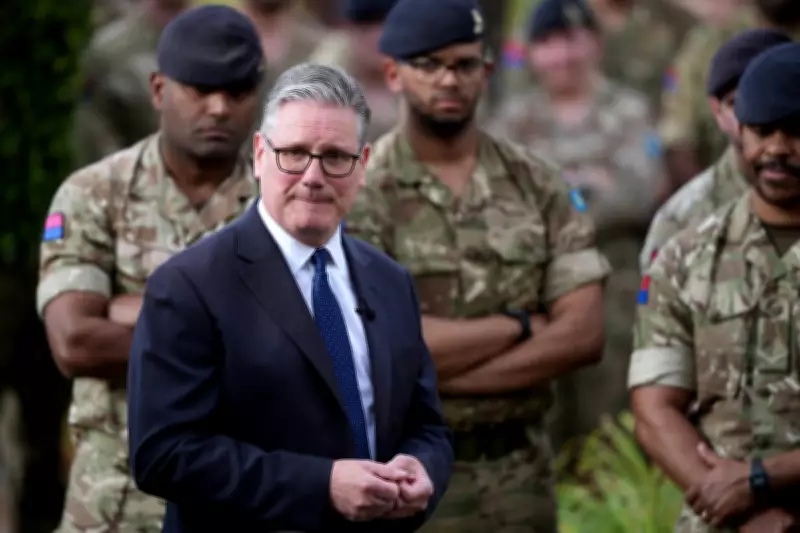
The spokesperson further noted Sir Keir's appreciation for Saudi Arabia's protective measures for British nationals during recent defensive operations in the region. The Prime Minister reaffirmed the UK's commitment to its Saudi ally, highlighting the recent deployment of the Sky Sabre air defence system and his earlier meeting with UK personnel operating this critical defence infrastructure.
A Century of UK-Saudi Cooperation Amid Regional Tensions
The leaders marked the approaching centenary of diplomatic relations between the United Kingdom and Saudi Arabia, discussing enhanced defence cooperation against the backdrop of escalating regional conflicts. Sir Keir's visit to Taif Airbase, where he met with members of the armed forces, underscored the military dimension of this longstanding partnership.
However, the diplomatic efforts face significant obstacles. The temporary ceasefire agreement between the United States and Iran, which had prompted what Sir Keir described as a "sense of real relief" among regional leaders, now appears increasingly precarious. The Prime Minister acknowledged the fragility of the situation, stating: "It's early days and a lot of work still needs to be done to make the peace deal last and restore oil and gas supplies through the Strait of Hormuz."
Regional Actions Threaten Fragile Diplomatic Progress
Complicating matters further, Israel's continued attacks on Lebanon—targeting Iran-backed Hezbollah militants—have directly challenged the ceasefire framework. These actions prompted Iran to once again close the Strait of Hormuz on Wednesday night, despite US President Donald Trump's earlier announcement of a ceasefire agreement reached just hours before his threatened deadline to destroy Iranian infrastructure.
White House press secretary Karoline Leavitt reiterated President Trump's "expectation and demand" that Iran reopen the vital shipping route, highlighting the ongoing diplomatic pressure from Washington. Meanwhile, reports emerged of missile or drone attacks targeting Kuwait and the United Arab Emirates, with Iran claiming its Lavan Island oil refinery had also come under assault.
Strained UK-US Relations Over Military Cooperation
The Prime Minister's diplomatic balancing act has strained relations with the United States, particularly following Sir Keir's refusal to grant unrestricted US access to British military bases for operations against Iran. When questioned about whether his relationship with President Trump was "in tatters," the Prime Minister defended his position, stating: "I've acted as you would expect of a British Prime Minister, which is by being absolutely focused on what is our national interest."

Sir Keir emphasized his commitment to principles requiring "a lawful basis" and "a viable, thought-through plan" for any military involvement, positioning the UK's approach as independent from American strategic objectives. This principled stance reflects the broader challenge of navigating alliances while protecting British interests in a volatile region.
As US Vice President JD Vance described the situation as a "fragile truce," Sir Keir's continued diplomatic efforts in the Gulf region remain critical. The Prime Minister stressed the need to transform the temporary ceasefire into a permanent resolution, noting: "This war was not our war, but my job is to protect the UK. It's already had an impact on the UK, and it's very important we get the Strait of Hormuz open."
With regional tensions continuing to simmer and multiple actors testing the boundaries of the ceasefire agreement, Sir Keir's Middle East diplomacy represents a crucial attempt to stabilize shipping routes and prevent broader conflict escalation that could further impact global energy markets and British interests.