Prime Minister Sir Keir Starmer has underscored the delicate nature of the US-Iran ceasefire during his diplomatic tour of the Gulf region, stating unequivocally that securing a permanent resolution demands far more than mere verbal commitments.
Gulf Visit Highlights Regional Tensions
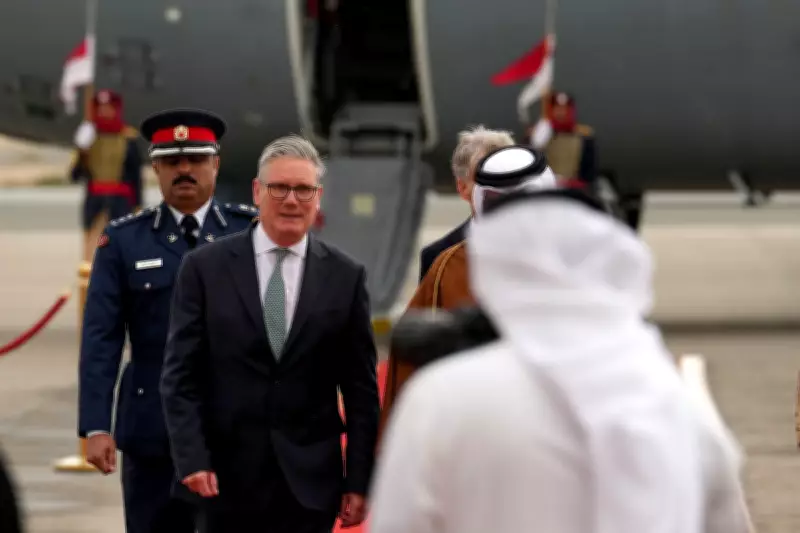
Sir Keir arrived in Bahrain on Thursday afternoon as part of a two-day visit that also included stops in Saudi Arabia and the United Arab Emirates. This trip comes amid mounting concerns that the ceasefire is already showing signs of strain, with Tehran retaliating by reclosing the critical oil shipping channel, the Strait of Hormuz. This move was a direct response to Israeli attacks on the Hezbollah militant group in Lebanon, escalating regional instability.
Discussions with Gulf Leaders
During his meetings with Saudi Crown Prince Mohammed Bin Salman and UAE President Sheikh Mohammed bin Zayed Al Nahyan, the Prime Minister engaged in frank discussions about the security landscape. He noted that Gulf nations have faced the brunt of Tehran's retaliation, enduring thousands of Iranian missiles and drones targeting US military sites and energy infrastructure across the region.

Speaking to broadcasters after the talks, Sir Keir revealed the prevailing mood among Gulf allies. "I think the mood is very much one of shock that they were attacked in the first place, because of course they weren't attacking Iran, and the intensity of some of the attacks," he said. "There's relief that there's now a ceasefire, but a general sense that it's fragile, that there's work to do in relation to it."
Reflection on Collective Defence Efforts
The Prime Minister highlighted the collaborative efforts over the past six to seven weeks, emphasizing the importance of collective self-defence and enhanced capabilities. He took the opportunity to express gratitude to British personnel stationed in the region, many of whom, including pilots, began operations just two hours after the conflict erupted.
Sir Keir stressed the critical need for unwavering support for long-standing allies, stating, "It's very important we stand with our long-standing allies and be here showing our support and reflecting on the work we're doing together." He added that his visit symbolized a gesture of friendship during a tumultuous time, aimed at fostering crucial discussions to ensure the ceasefire becomes permanent and the Strait of Hormuz remains open for global trade.
Call for Concrete Action
In a firm declaration, the Prime Minister asserted that achieving these goals requires substantive measures. "And that takes more than just words. It takes a lot of action," he concluded, underscoring the necessity for decisive steps beyond diplomatic rhetoric to solidify peace and stability in the volatile Middle East.