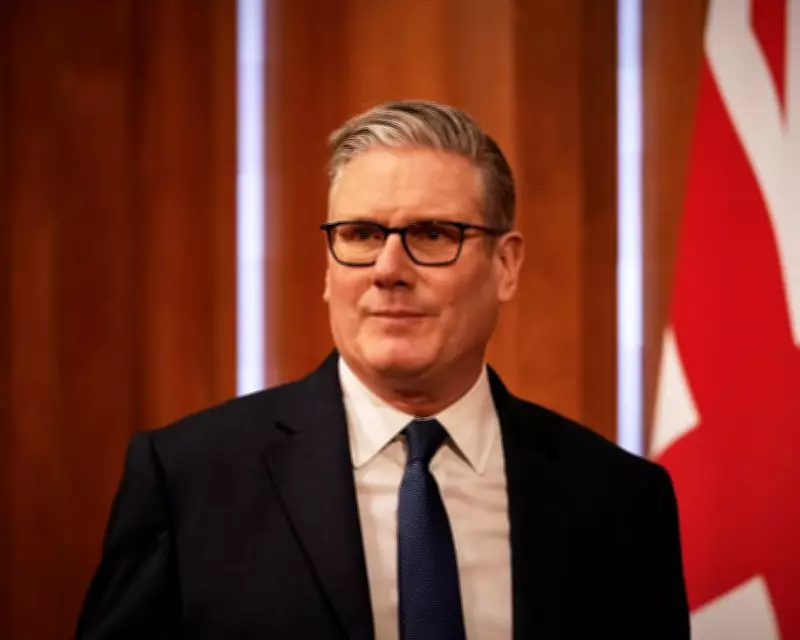
Prime Minister Keir Starmer is embarking on a crucial diplomatic mission to the Gulf region, following the announcement of a two-week ceasefire between the United States and Iran. This visit, scheduled for Wednesday, comes just hours after the ceasefire was agreed upon on Tuesday evening, effectively cancelling a self-imposed deadline set by US President Donald Trump that had threatened widespread destruction if Iran did not surrender.
Starmer's Response to the Ceasefire
In a statement released on Wednesday, Starmer expressed his support for the agreement, stating, "I welcome the ceasefire agreement reached overnight, which will bring a moment of relief to the region and the world." He emphasised the importance of international collaboration, adding, "Together with our partners we must do all we can to support and sustain this ceasefire, turn it into a lasting agreement and reopen the strait of Hormuz."
Diplomatic Objectives and Economic Implications
Downing Street has outlined that the prime minister's discussions will focus on diplomatic efforts to uphold the ceasefire and work towards a lasting resolution to the conflict. A key priority is protecting the UK and global economy, which has been severely impacted by the closure of the Strait of Hormuz, squeezing consumers and countries worldwide.

The Strait of Hormuz is a vital shipping route for oil and gas, and its closure since the onset of US-Israel attacks has disrupted global trade. Starmer's visit, planned prior to the ceasefire announcement, aims to address these economic pressures while navigating mounting political tensions.
Mounting Pressure and International Criticism
Starmer's trip occurs amid increasing pressure to limit US access to British airbases, following President Trump's warning that "a whole civilization will die" if Tehran did not comply with demands to allow commercial shipping through the strait. Trump's remarks were widely criticised by military observers and retired officers as likely war crimes, though Downing Street did not directly condemn them.
UK-US Diplomatic Engagements
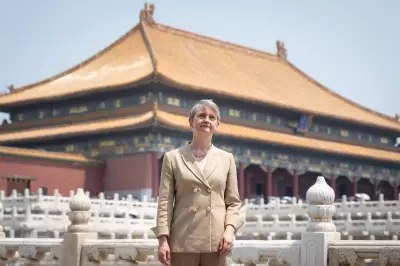
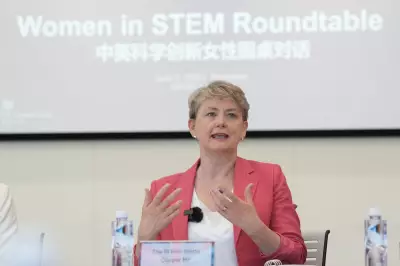
British Foreign Secretary Yvette Cooper has been actively involved in diplomatic efforts, reportedly speaking with US Secretary of State Marco Rubio after Trump's comments. Cooper urged a swift end to the conflict while affirming the UK's support for negotiations to prevent further escalation.
Cooper and Rubio also discussed international measures to reopen the Strait of Hormuz, including a UK-led meeting chaired by Cooper that brought together over 40 countries. This coalition met in London last week to explore economic and diplomatic strategies to press Iran into reopening the strait.
Path Forward and Regional Stability
As Starmer engages with Gulf leaders, the focus remains on transforming the temporary ceasefire into a durable peace agreement. The diplomatic push underscores the UK's commitment to regional stability and global economic security, highlighting the complex interplay between military threats, diplomatic negotiations, and international cooperation in resolving the Middle East crisis.