Keir Starmer Faces Diplomatic Row with Donald Trump Over Iran Strikes Decision
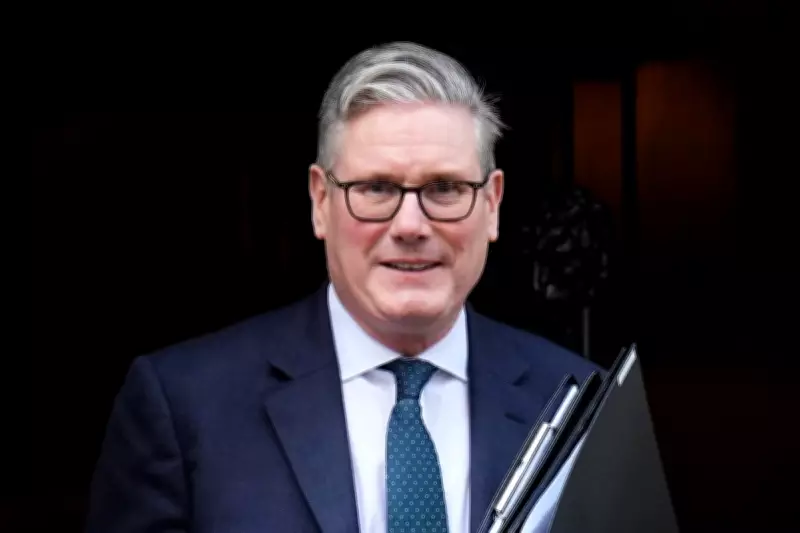
Prime Minister Sir Keir Starmer has found himself embroiled in a significant diplomatic disagreement with United States President Donald Trump regarding the initial refusal to permit American military strikes against Iran from British bases. The controversy emerged following Sir Keir's statement to Members of Parliament, where he confirmed that President Trump had "expressed his disagreement" with the United Kingdom's decision not to participate in the initial offensive actions.
Trump's Public Criticism of Starmer's Initial Refusal
President Trump did not mince words when addressing the media, stating he was "very disappointed" in Sir Keir Starmer for initially refusing to allow the utilisation of the strategically vital UK-US Diego Garcia base to target Iranian assets. The American leader emphasised that it "took far too long" for the British Prime Minister to reconsider his position and ultimately grant the necessary permissions.
Starmer's Defence of National Interest Decision
In a detailed Commons statement, Sir Keir Starmer provided a robust defence of his initial decision, asserting that his primary responsibility is to judge what aligns with Britain's national interest. "President Trump has expressed his disagreement with our decision not to get involved in the initial strikes, but it is my duty to judge what is in Britain's national interest," the Prime Minister told parliamentarians. He underscored that while international alliances are crucial, sovereign decisions must prioritise domestic security considerations.

Subsequent Permission Granted for US Operations
Following the initial refusal, Prime Minister Starmer did grant permission on Sunday for the United States to utilise British bases to target Iran's missile launchers and military stores. This strategic move was aimed at assisting in the protection of countries that have been targeted by Tehran's aggressive actions. The decision marked a significant shift in the UK's operational stance, allowing American forces to leverage British infrastructure for defensive and offensive capabilities in the region.
Broader Implications for UK-US Diplomatic Relations
This public disagreement highlights potential strains in the traditionally strong UK-US diplomatic relationship, particularly concerning joint military operations and strategic alignments in the Middle East. The episode raises important questions about:
- The balance between alliance obligations and national sovereignty
- Communication protocols between allied leaders during international crises
- The decision-making timeline for military engagements involving shared resources
- Future cooperation on security matters in volatile regions
As both leaders navigate this diplomatic challenge, the incident serves as a reminder of the complex interplay between international partnerships and independent national security judgments in contemporary geopolitics.